More Gastroenterology Articles
The Role of the Appendix and Gallbladder in Digestive Health
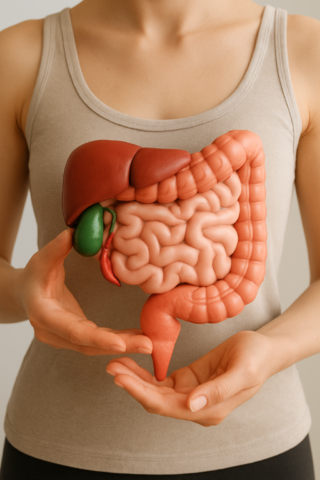
Many people are surprised to learn about the roles the appendix and gallbladder play in our digestive health. While often misunderstood or considered unnecessary, these two organs serve important functions that aid digestion and overall well-being. Let’s take a closer look at the appendix and gallbladder to understand their significance.
Understanding the Appendix and Gallbladder
The appendix is a small, tube-like organ attached to the large intestine. Historically, it was thought to be a vestigial structure with little function. However, recent studies suggest that the appendix may play a role in gut health, potentially serving as a reservoir for beneficial bacteria and supporting the immune system.
On the other hand, the gallbladder is a small, pear-shaped organ located beneath the liver. Its primary function is to store bile, a digestive fluid essential for breaking down fats in the diet. During meals, the gallbladder contracts to release bile into the small intestine, facilitating digestion and nutrient absorption.
How They Affect Daily Life
Both the appendix and gallbladder can impact everyday life, particularly when they become inflamed or obstructed. Appendicitis, an inflammation of the appendix, often presents with sharp pain in the lower right abdomen, a condition that requires prompt medical attention. Similarly, gallstones can block the bile duct, leading to gallbladder inflammation and severe abdominal pain.
These conditions can significantly affect routine activities, work, and diet. Understanding the symptoms and when to seek care is essential for maintaining health and avoiding complications.
The Role of Bile and Beneficial Bacteria
Bile produced by the liver and stored in the gallbladder is crucial for fat digestion. Without it, fats and fat-soluble vitamins like A, D, E, and K cannot be adequately absorbed, leading to nutritional deficiencies and digestive problems.
Though small, the appendix might contribute to maintaining healthy gut flora. By housing good bacteria, the appendix could help recolonize the gut after a bout of diarrhea or illness, thereby supporting digestive health.
Surgical Removal: Appendectomy and Cholecystectomy
When the appendix or gallbladder causes health issues, surgical removal might be necessary. An appendectomy, the removal of the appendix, is a common emergency surgery. Similarly, a cholecystectomy, the removal of the gallbladder, is carried out when gallstones or inflammation cause problems.
Both procedures are generally safe, and most people recover well without these organs. After gallbladder removal, the body adjusts to digest fats differently, and dietary modifications might be required initially.
When to Seek Care
If you experience severe abdominal pain, especially in the lower right abdomen or under the ribs on the right side, consider seeking medical attention. Symptoms such as fever, nausea, vomiting, or jaundice also necessitate prompt evaluation. Gastroenterologists or surgeons typically assess and manage conditions relating to the appendix and gallbladder.
Additionally, if you experience persistent digestive discomfort or suspect issues with bile production, a healthcare provider can help determine the cause and appropriate treatment.
Some conditions, such as hemochromatosis, can impact liver and gallbladder function. Learn more about recognizing potential signs here.
Managing Symptoms and Treatment Options
Dietary management can help relieve symptoms related to gallstones and improved gut health. Foods low in refined sugars and fats can ease the digestive burden, while fiber-rich foods support gut flora. It’s important to work with a healthcare provider to determine the best dietary choices based on individual health needs.
For some individuals, medications can help manage symptoms or prevent gallstone formation, sometimes by altering bile composition. If symptoms persist or worsen, discussing further interventions or surgeries with a healthcare professional can guide appropriate management strategies.
Understanding Health Topics Further
For those seeking more comprehensive details about medical conditions, treatments, and terms mentioned here, visiting MedlinePlus offers a wealth of dependable health information. Access their resources here.
- The appendix may play a role in immune and digestive health.
- The gallbladder stores bile for fat digestion.
- Surgical removal of these organs is common and manageable.
- Severe abdominal pain requires prompt medical evaluation.
- Dietary choices can influence symptoms and recovery.
Common Questions
When should I see a doctor for abdominal pain?
Seek medical care if you experience severe pain, particularly if it’s sudden, persistent, or accompanied by fever, nausea, or vomiting.
What type of provider treats appendix and gallbladder issues?
Gastroenterologists and surgeons typically diagnose and treat conditions involving the appendix and gallbladder.
What causes gallstones?
Gallstones can form when bile contains too much cholesterol or bilirubin, or when the gallbladder does not empty correctly.
What can I expect after gallbladder removal?
Most people can return to normal activities within a few weeks. Some dietary adjustments, particularly concerning fat intake, may be necessary initially.
Can I live a normal life without an appendix or gallbladder?
Yes, many people live healthy lives without these organs. The body adapts to these changes, and lifestyle adjustments help manage any initial digestive changes.
Other Articles You May Find of Interest...
- Why You Get Stomach Bloating and Gas After Eating Meat
- Why Does Chick-fil-A Make My Stomach Hurt?
- Dr. Omar Marar on the Evolution of Modern Colorectal Surgery
- Pain Where Your Appendix Was Removed Years Ago: Possible Causes
- Why Multi-Strain Probiotics May Offer Broader Digestive Support
- What a Healthy Colon Looks Like During Colonoscopy
- A Better Digestive Rhythm: Everyday Habits for Preventing Occasional Constipation