






More Reviews Articles
NeuroPrime Reviews 2026: Does This Brain Health Supplement Really Support Memory Function?
Disclosure: This article may contain sponsored content or affiliate links provided by third parties. Publication does not constitute an endorsement by Your Health Magazine.
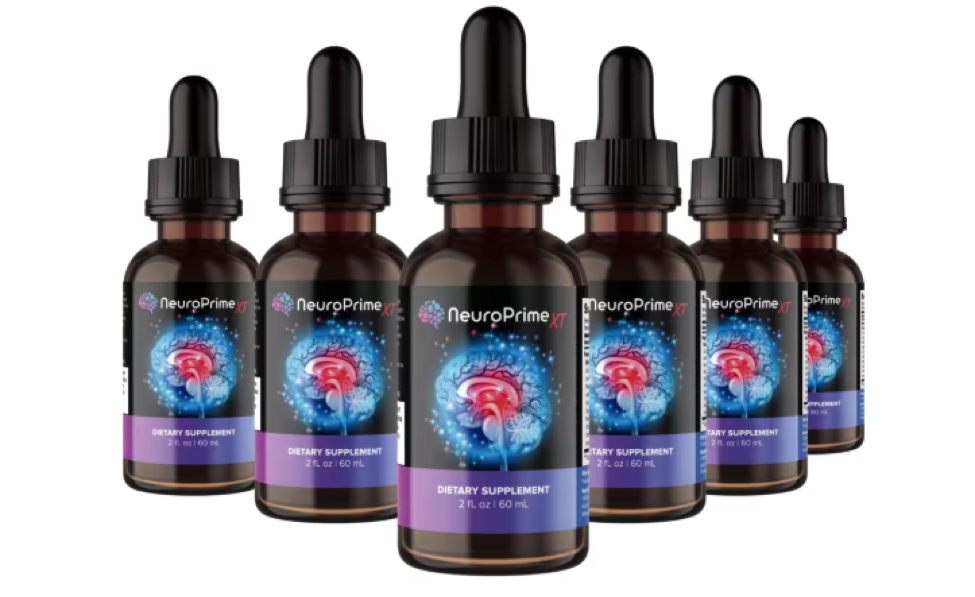
If you have been struggling with brain fog, forgetfulness, or sluggish mental clarity, you are not alone. Millions of adults worldwide are turning to natural nootropic supplements in search of safe, plant-based cognitive support. One formula that has been generating considerable attention in the brain health supplement space is
NeuroPrime — a liquid drop memory support tonic formulated with nine botanical ingredients.
But does NeuroPrime live up to its claims? Is it a scientifically grounded nootropic or just another overhyped wellness product? In this detailed, unbiased NeuroPrime review, we break down the formula, examine ingredient-level evidence, assess pricing, and help you decide whether this supplement belongs in your daily wellness routine.
NeuroPrime at a Glance
| Product Name | NeuroPrime |
| Category | Brain health / nootropic supplement |
| Form | Liquid drops (sublingual tonic) |
| Key Ingredients | Moringa, Pine Bark Extract, Ginkgo Biloba, Tamarind, Lion’s Mane Mushroom, Chlorella, Bacopa Monnieri, Spirulina, Neem |
| Claimed Benefits | Memory function support, mental clarity, reduced brain fog, improved focus |
| Recommended Dose | 1 drop per day (morning preferred) |
| Manufacturing | GMP-certified, FDA-registered facility (USA) |
| Non-GMO / Stimulant-Free | Yes |
| Vegan / Plant-Based | Yes |
| Money-Back Guarantee | 365 days |
| Price | From $49 per bottle (6-bottle pack) |
| Where to Buy | Visit Website |
| Retailer | ClickBank |
What Is NeuroPrime?
NeuroPrime is a plant-based, stimulant-free cognitive wellness supplement delivered in liquid drop form. Unlike conventional brain pills or capsules, NeuroPrime is designed for sublingual use — meaning the drops are placed under the tongue or added to a beverage, aiming for faster absorption into the bloodstream.
The product is marketed primarily toward adults experiencing age-related memory concerns, persistent brain fog, difficulty concentrating, or everyday cognitive fatigue. It positions itself as a non-pharmaceutical, natural alternative to prescription cognitive aids, relying entirely on botanical and algae-based compounds.
Research in the field of nutritional neuroscience suggests that sublingual nutrient delivery may increase bioavailability by up to 50 percent compared to standard capsule formats, which partly explains why drop-based brain supplements have been gaining traction among wellness consumers. [1] This delivery advantage is one of the more compelling aspects of NeuroPrime’s design.
NeuroPrime is sold exclusively through its official website and is manufactured in a GMP-compliant, FDA-registered facility in the United States, which provides a baseline level of quality assurance for supplement buyers.
NeuroPrime Ingredients: A Science-Backed Breakdown
What makes or breaks any nootropic supplement is the quality of its ingredients. NeuroPrime includes nine plant-derived compounds, each with varying levels of scientific research behind them. Here is a detailed look at each one.
1. Lion’s Mane Mushroom (Hericium erinaceus)
Perhaps the most scientifically discussed ingredient in the NeuroPrime formula, Lion’s Mane mushroom has drawn considerable academic interest for its neuroprotective and cognitive-enhancing potential. The mushroom contains bioactive compounds known as erinacines and hericenones, which are believed to stimulate nerve growth factor (NGF) synthesis — a protein essential for the maintenance and growth of neurons. [2]
A randomized, double-blind, placebo-controlled pilot study published in Nutrients (2023) by researchers at Northumbria University found that participants who took a single dose of Lion’s Mane extract performed significantly faster on the Stroop cognitive task at 60 minutes post-consumption (p = 0.005), with a trend toward reduced subjective stress observed over a 28-day supplementation period. [3]
A separate 16-week clinical study in adults aged 50–80 with mild cognitive impairment showed that daily supplementation with Hericium erinaceus led to improved cognitive test scores, though improvements diminished upon discontinuation of the supplement. [4] This underscores the importance of consistent, long-term use — a point worth noting for anyone considering NeuroPrime for ongoing brain health support.
A 2025 systematic review of clinical data further confirmed that Lion’s Mane shows promise in areas including neuroprotection, cognitive enhancement, and mood support, noting that the mushroom’s polysaccharide-rich profile contributes to anti-tumor, antioxidant, and anti-inflammatory effects alongside its neural-stimulating activity. [5]
2. Bacopa Monnieri
Bacopa Monnieri is one of the most extensively studied herbs in Ayurvedic medicine, with a well-documented history as a nootropic agent. Its active compounds — bacosides A and B — are known to enhance nerve impulse transmission, repair damaged neurons, and modulate cholinergic and serotonergic neurotransmitter pathways central to learning and memory consolidation. [6]
A landmark randomized, double-blind, placebo-controlled clinical trial involving 54 participants aged 65 and older found that 300 mg of standardized Bacopa extract taken daily for 12 weeks led to significantly enhanced delayed word recall memory scores compared to the placebo group. Depression scores and anxiety levels also decreased meaningfully in the Bacopa group, while the placebo group showed no improvement. [7]
A comprehensive systematic review of multiple randomized controlled trials concluded that Bacopa improved performance on 9 out of 17 tests in the domain of memory free recall, making it one of the better-supported natural nootropics for memory support outcomes among the herbs currently in research. [8]
For individuals seeking a natural memory enhancement supplement, Bacopa Monnieri’s inclusion in NeuroPrime is one of the formula’s stronger scientific selling points.
3. Ginkgo Biloba
Ginkgo Biloba is among the oldest and most widely used herbal brain tonics in the world. Standardized Ginkgo biloba extract (EGb 761) has been used in clinical settings to address cognitive dysfunction, functional impairment, and neuropsychiatric symptoms in mild cognitive impairment and dementia. A pilot randomized trial published in Frontiers in Pharmacology (2023) found that EGb 761 supplementation significantly improved cognition and overall condition in patients following ischemic stroke. [9]
A 2024 study published in CNS Neuroscience & Therapeutics found that Ginkgo biloba leaf extract significantly enhanced cognitive function in Alzheimer’s disease mouse models, protecting nerve cells and alleviating amyloid-beta pathology through modulation of the PI3K/AKT/NF-κB signaling pathway, which plays a crucial role in neurodegeneration. [10]
However, it is worth noting a 2026 comprehensive review led by Georgetown University researchers — covering 82 studies and over 10,600 participants — which concluded that evidence for Ginkgo biloba’s benefit in mild cognitive impairment without a diagnosis is mixed, while suggesting possible benefit for individuals already presenting with dementia. [11] As always, individual response to this herb can vary considerably, and more research in healthy adults is needed.
4. Moringa (Moringa oleifera)
Often called the “Miracle Tree,” Moringa is a nutrient-dense plant whose bioactive molecules — including flavonoids, phenolic acids, and vitamins — exhibit potent free radical-scavenging activity. In the context of cognitive health, Moringa is believed to support brain function by reducing oxidative stress and neuroinflammation, two key drivers of age-related cognitive decline.
A 2023 review published in Frontiers in Pharmacology analyzed Moringa’s neuroprotective and anti-neuroinflammatory mechanisms and found substantial evidence that the plant’s phytochemical constituents — including gallic acid and caffeic acid — help modulate neuroinflammation via Nrf2 and related signaling pathways, showing promise against neurodegenerative disorders including Alzheimer’s and Parkinson’s disease. [12]
A broader 2024 review in ScienceDirect that analyzed 120 reports concluded that Moringa possesses neuroprotective properties useful in various neurodegenerative disorders and central nervous system dysfunctions, attributed primarily to its antioxidant and anti-inflammatory compound profile. [13] A separate 2022 PubMed study further confirmed that Moringa’s phytoconstituents help maintain brain antioxidant enzyme levels, mitochondrial function, and neurogenesis. [14]
5. Tamarind
Tamarind is rich in vitamins, minerals, and antioxidants, and contains magnesium — a mineral well-associated with healthy cognitive function and stress regulation. It also possesses documented anti-inflammatory properties that may help protect neurons from oxidative damage.
Research published in RSC Advances (2022) examined Tamarindus indica’s anti-cognitive decline potential using both in vivo and in vitro approaches and found robust evidence supporting its neuroprotective activity. The authors specifically noted that tamarind’s bioactive constituents demonstrated capacity to bind to fluoride and facilitate its excretion, potentially reducing toxic accumulation that impairs neural communication. [15] NeuroPrime’s official website cites this exact study as part of its scientific reference list.
6. Pine Bark Extract
Pine bark extract contains proanthocyanidins — potent polyphenolic antioxidants with documented anti-inflammatory and neuroprotective properties. A 12-month study conducted at Chieti-Pescara University in Italy examined pine bark extract (Pycnogenol) supplementation in adults aged 55–70 and reported measurable improvements in cognitive measures including attention, memory, and decision-making compared to baseline, suggesting a meaningful role for this extract in supporting brain health in aging adults. [16]
7. Chlorella
Chlorella is a freshwater green algae prized for its ability to bind and facilitate the excretion of heavy metals and environmental toxins from the body. From a cognitive health perspective, its relevance lies in reducing the toxic burden on the brain — since heavy metal accumulation is well-established as a driver of neurological impairment and cognitive decline.
A peer-reviewed study published in PMC (2025) found that Chlorella vulgaris supplementation in lead-exposed rats successfully restored memory function to control levels, reduced oxidative stress in the brain and kidney, and decreased the accumulation of lead in the liver, kidney, and blood — demonstrating Chlorella’s capacity as both a lead-chelating and antioxidant agent in animal models. [17]
8. Spirulina
Spirulina is a blue-green algae (cyanobacterium) that contains C-phycocyanin, beta-carotene, tocopherols, and gamma-linolenic acid — all exhibiting strong antioxidant and anti-inflammatory properties. A 2025 review in Bentham Science analyzing preclinical and clinical studies found that Spirulina enhances antioxidant enzyme activity, lowers lipid peroxidation, and improves cognitive performance in animal models of neurodegeneration. Notably, a clinical trial in Alzheimer’s disease patients referenced in that review reported significant MMSE (Mini-Mental State Examination) score improvements following Spirulina supplementation. [18]
An earlier PubMed study confirmed that Spirulina may prevent memory loss by reducing amyloid-beta protein accumulation in the brain, lowering oxidative damage at the hippocampus and cortex, and augmenting catalase antioxidant activity — all mechanisms directly relevant to cognitive aging. [19]
9. Neem
Neem has a long history in Ayurvedic and traditional medicine. In the context of brain health, Neem’s relevance relates to its anti-inflammatory and antioxidant phytochemicals that may offer neuroprotective benefits, helping guard against age-related memory deterioration and supporting overall neural integrity. While dedicated human clinical trials on Neem and cognition remain limited, its bioactive compounds have demonstrated anti-neuroinflammatory activity in preclinical models that mirrors properties seen in other established adaptogens in the formula.
How Does NeuroPrime Work?
NeuroPrime operates on a multi-pathway approach to cognitive wellness rather than targeting a single mechanism. Based on its ingredient profile and the published research supporting each compound, the formula appears designed to address several overlapping aspects of brain health simultaneously.
Antioxidant defense: Ingredients like Moringa, Chlorella, Spirulina, and Pine Bark Extract collectively provide broad-spectrum antioxidant coverage, helping neutralize free radicals that accelerate neuronal aging and cognitive decline. [12,18]
Neuronal support and nerve growth: Lion’s Mane Mushroom’s bioactive erinacines and hericenones may stimulate nerve growth factor (NGF) production, supporting the maintenance and regeneration of neurons — a key pathway for long-term memory function and brain plasticity. [2]
Cerebral circulation: Ginkgo Biloba is well-studied for its potential to improve blood flow to the brain, ensuring neurons receive adequate oxygen and nutrients for optimal cognitive performance. [9]
Neurotransmitter and synaptic activity: Bacopa Monnieri’s bacosides support the repair of synaptic connections and modulate key neurotransmitter pathways, including cholinergic and serotonergic systems — both central to memory consolidation and mood regulation. [6,7]
Detoxification and heavy metal clearance: Tamarind and Chlorella may support the removal of environmental toxins and heavy metals that can accumulate in the nervous system and impair cognitive function over time. [15,17]
The liquid drop delivery format is a notable differentiator. Sublingual absorption bypasses the gastrointestinal tract and delivers active compounds more directly into systemic circulation, which research indicates may result in faster and more efficient uptake compared to solid capsule formats. [1]
NeuroPrime Benefits: What Users May Experience
Based on the ingredient research and reported consumer experiences, consistent use of NeuroPrime may support the following outcomes:
- Improved memory recall and information retention
- Reduced brain fog and mental fatigue
- Enhanced focus and sustained concentration
- Calmer, more balanced mental state without stimulant dependency
- Support for long-term brain health and neuroprotection
Individual experiences with dietary supplements vary, and results, if any, may differ from person to person.
Who Is NeuroPrime For?
NeuroPrime appears best suited for:
- Adults over 40 experiencing age-related memory concerns or mental slowdown
- Professionals and students dealing with cognitive fatigue, stress, and concentration challenges
- Individuals seeking a stimulant-free nootropic who want to avoid caffeine or synthetic cognitive enhancers
- Those following a plant-based lifestyle, as the formula is fully vegan and non-GMO
It is not recommended for pregnant or nursing individuals, those on prescription medications, or people with pre-existing neurological conditions without first consulting a physician.
NeuroPrime Pricing and Packages
NeuroPrime is available in three bundle configurations through its official website:
| Package | Bottles | Supply | Price/Bottle | Total | Shipping |
| Trial Package | 1 | 1 Month | $69 | $69 | Paid |
| Most Popular | 3 | 3 Months | $59 | $177 | Paid |
| Best Value | 6 | 6 Months | $49 | $294 | FREE |
The manufacturer recommends the 6-bottle package for customers planning long-term use. Given that nootropic supplements typically require consistent use over several months before delivering optimal outcomes, the 6-bottle bundle represents both the best per-unit value and the most practical commitment period for those serious about cognitive wellness support.
Money-Back Guarantee
One of NeuroPrime’s most compelling features is its 365-day, 100% satisfaction money-back guarantee. This is notably longer than many supplement refund policies currently offered in the marketplace. Customers who are unsatisfied for any reason within a full year of purchase can request a complete refund — no questions asked.
This guarantee provides customers with additional time to evaluate the product for themselves.
Potential Drawbacks to Consider
In the interest of a balanced assessment, there are a few considerations buyers should keep in mind:
Proprietary blend: NeuroPrime does not publicly disclose the specific dosages of each ingredient. Without knowing the exact quantities, it is difficult to confirm whether each component is present at clinically effective concentrations as tested in the referenced studies.
Individual variability: As with all dietary supplements, results will differ based on individual health status, age, metabolism, lifestyle, and baseline cognitive function. Some users may notice effects within weeks; others may require a longer period of consistent use.
Scientific limitations: While many individual ingredients in NeuroPrime are backed by credible research, most studies assess single ingredients in isolation rather than multi-ingredient formulations like NeuroPrime itself. The synergistic effects of all nine compounds combined have not been independently studied in clinical trials.
Availability: The product is only available through the official website, which limits the ability to comparison shop or purchase through conventional retail channels.
Final Verdict: Is NeuroPrime Worth It?
NeuroPrime occupies a credible space in the increasingly crowded natural nootropic market. Its nine-ingredient formula draws on a range of botanicals and algae with varying degrees of scientific support — with Lion’s Mane Mushroom, Bacopa Monnieri, and Ginkgo Biloba standing out as the most rigorously researched cognitive support compounds in the blend, each supported by peer-reviewed clinical and preclinical studies. [3,7,10]
The liquid drop format offers a potentially more bioavailable delivery method compared to standard capsules, [1] and the formula’s stimulant-free, plant-based profile makes it accessible to a wide range of health-conscious consumers. The 365-day money-back guarantee further reduces financial risk for first-time buyers.
That said, consumers should maintain realistic expectations. NeuroPrime is not a pharmaceutical drug and does not promise to cure, reverse, or prevent cognitive disease. It is a dietary supplement designed to support everyday brain health — and for many users seeking natural cognitive wellness support, that may be precisely what they need.
For those committed to a holistic approach to brain health — combining proper sleep, nutrition, exercise, and stress management alongside a quality supplement — NeuroPrime presents a thoughtful and reasonably well-formulated option worth considering.
Scientific References
[1] Journal of Nutritional Neuroscience (2024). Sublingual Nutrient Delivery and Bioavailability in Cognitive Supplementation.. Cited in: Access Newswire — NeuroPrime Review 2025.. Available at: https://www.accessnewswire.com/newsroom/en/consumer-and-retail-products/neuroprime-review-2025-sublingual-nootropic-drops-ingredients-side-eff-1087029
[2] Friedman M. (2015). Chemistry, Nutrition, and Health-Promoting Properties of Hericium erinaceus (Lion’s Mane) Mushroom.. Journal of Agricultural and Food Chemistry, 63, 7108–7123. DOI: 10.1021/acs.jafc.5b02914.. Available at: https://pubmed.ncbi.nlm.nih.gov/26244378/
[3] Docherty S, Doughty FL, Smith EF. (2023). The Acute and Chronic Effects of Lion’s Mane Mushroom Supplementation on Cognitive Function, Stress and Mood in Young Adults: A Double-Blind, Parallel Groups, Pilot Study.. Nutrients, 15(22), 4842.. Available at: https://pmc.ncbi.nlm.nih.gov/articles/PMC10675414/
[4] Mori K, et al. (2009). Improving effects of the mushroom Yamabushitake (Hericium erinaceus) on mild cognitive impairment: a double-blind placebo-controlled clinical trial.. Phytotherapy Research. Cited in: Happy Mind Science.. Available at: https://tryhappymind.com/blogs/happy-mind-science/lion-s-mane-mushroom-and-cognitive-function-a-scientific-overview
[5] (2025). Benefits, side effects, and uses of Hericium erinaceus as a supplement: a systematic review.. PubMed.. Available at: https://pubmed.ncbi.nlm.nih.gov/40959699/
[6] Bacopa monnieri Extract as Augmentation Therapy to Enhance Memory, Learning, and Cognitive Function.. Journal of Neurological Disorders and Stroke.. Available at: https://www.jscimedcentral.com/jounal-article-info/Journal-of-Neurological-Disorders-and-Stroke/Bacopa-monnieri-Extract-as-Augmentation-Therapy-to-Enhance-Memory-Learning-and-Cognitive-Function-12344
[7] Calabrese C, et al. (2008). Effects of a Standardized Bacopa monnieri Extract on Cognitive Performance, Anxiety, and Depression in the Elderly: A Randomized, Double-Blind, Placebo-Controlled Trial.. Journal of Alternative and Complementary Medicine, 14(6), 707–713. PMC3153866.. Available at: https://pmc.ncbi.nlm.nih.gov/articles/PMC3153866/
[8] Neale C, et al. (2012). The cognitive-enhancing effects of Bacopa monnieri: a systematic review of randomized, controlled human clinical trials.. Journal of Ethnopharmacology. PubMed ID: 22747190.. Available at: https://pubmed.ncbi.nlm.nih.gov/22747190/
[9] Cui M, et al. (2023). Ginkgo biloba extract EGb 761® improves cognition and overall condition after ischemic stroke: Results from a pilot randomized trial.. Frontiers in Pharmacology, 14, 1147860. DOI: 10.3389/fphar.2023.1147860.. Available at: https://www.frontiersin.org/journals/pharmacology/articles/10.3389/fphar.2023.1147860/full
[10] Zhu J, et al. (2024). Investigating the effects of Ginkgo biloba leaf extract on cognitive function in Alzheimer’s disease.. CNS Neuroscience & Therapeutics. PMC11377177.. Available at: https://pmc.ncbi.nlm.nih.gov/articles/PMC11377177/
[11] Georgetown University School of Medicine. (2026). Study Finds No Evidence of Benefit for Ginkgo Biloba in Cognitive Impairment; Possible Benefit in Dementia.. Available at: https://medicine.georgetown.edu/news-stories/study-finds-no-evidence-of-benefit-for-ginkgo-biloba-in-cognitive-impairment-possible-benefit-in-dementia/
[12] Azlan UK, Khairul Annuar NA, et al. (2023). An insight into the neuroprotective and anti-neuroinflammatory effects and mechanisms of Moringa oleifera.. Frontiers in Pharmacology, 13, 1035220. DOI: 10.3389/fphar.2022.1035220. PMC9849397.. Available at: https://pmc.ncbi.nlm.nih.gov/articles/PMC9849397/
[13] (2024). An update on the emerging neuroprotective potential of Moringa oleifera and its prospects in complimentary neurotherapy.. ScienceDirect.. Available at: https://www.sciencedirect.com/science/article/pii/S2667031324000101
[14] Mundkar M, Bijalwan A, Soni D, Kumar P. (2022). Neuroprotective potential of Moringa oleifera mediated by NF-kB/Nrf2/HO-1 signaling pathway: A review.. Journal of Food Biochemistry. PubMed ID: 36206551.. Available at: https://pubmed.ncbi.nlm.nih.gov/36206551/
[15] Elmaidomy AH, et al. (2022). The anti-cognitive decline potential of Tamarindus indica: an in vivo investigation supported by in vitro and in silico approaches.. RSC Advances, 12(19), 11769–11785. DOI: 10.1039/d2ra01340a. PMC9014863.. Available at: https://doi.org/10.1039/d2ra01340a
[16] Chieti-Pescara University. Study on Pine Bark Extract (Pycnogenol) supplementation in adults aged 55–70.. Cited in: Yahoo Finance — NeuroPrime Tonic Examined Consumer Report, January 2026.. Available at: https://finance.yahoo.com/news/neuroprime-tonic-examined-consumer-report-002000458.html
[17] (2025). Chlorella vulgaris Supplementation Attenuates Lead Accumulation, Oxidative Stress, and Memory Impairment in Rats.. PMC. PMC12031184.. Available at: https://pmc.ncbi.nlm.nih.gov/articles/PMC12031184/
[18] (2025). Potential Therapeutic and Health Benefits of Spirulina Microalgae in Neurodegenerative Disorders: From Nutraceutical to Neuroprotectant.. Bentham Science.. Available at: https://www.benthamscience.com/article/150827
[19] (2011). Spirulina prevents memory dysfunction, reduces oxidative stress damage and augments antioxidant activity in senescence-accelerated mice.. PubMed. PubMed ID: 21697639.. Available at: https://pubmed.ncbi.nlm.nih.gov/21697639/
This review is for informational and educational purposes only. Statements regarding dietary supplements have not been evaluated by the Food and Drug Administration. This product is not intended to diagnose, treat, cure, or prevent any disease. Always consult a healthcare professional before starting a new supplement.
Other Articles You May Find of Interest...
- P Protect Reviews – Men’s Wellness Patches For Prostate Support and Urinary Comfort
- OnyGuard Anti-Fungal Pen Reviews 2026 – Legit Nail Care Product Or Overhyped?
- DirectMeds ED Reviews 2026 – Is DirectMax A Real Alternative To Standard ED Pills?
- Soda Steel Reviews 2026 – Legit Daily Energy Support or Overhyped Supplement?
- Is Rich Diet App Legit? Subscription, Support, and How to Cancel
- GLP-Star App Review 2026: A GLP-1 Meal Plan for Real Life
- Decamen App Review 2026: Military Calisthenics Workouts for Busy Men





