More Workplace Health & Safety Articles
Assessing Exhaustion Risk Through Personality Types
Talented employees often completely detach from their daily tasks. They hit a wall of physical and mental depletion—convinced they’ve just lost their drive. Job-related anxiety costs the United States up to $190 billion every year. That massive financial hit makes the link between personality types and burnout impossible to ignore, especially for those of us coaching these teams. When workers rely on poor coping mechanisms to handle daily pressure, they eventually crash into a deep sense of emptiness that leaves them feeling entirely stuck and hopeless.
We have to ask if external circumstances alone cause this fatigue, or if individual character traits actually drive the problem.
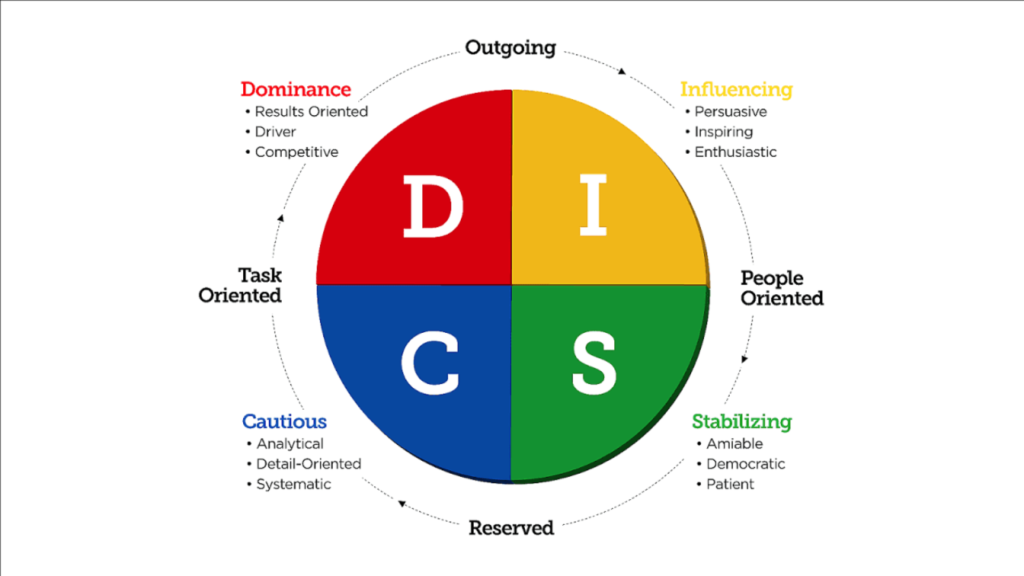
Are certain people just naturally vulnerable to career burnout? While any worker might crack under ongoing pressure, mental health experts consistently find that specific psychological archetypes face a much higher risk of breaking down, patterns that can often be better understood through behavioral frameworks such as the take the DISC personality test.
Figuring out who has a high-risk mindset changes how we approach development, because recognizing these baseline vulnerabilities serves as the first step in defending our personal health and professional futures.
The True Nature of Workplace Fatigue
Let’s define what we are actually dealing with. Having a rough week at the office doesn’t mean someone has this syndrome. Instead, it operates as a deeply paralyzing issue that quietly spreads through our teams.
How Experts Define the Problem
Psychologists have studied this since Herbert Freudenberger first named it in 1974. Later, theorists Christina Maslach and Michael Leiter described the condition as a “prolonged response to chronic interpersonal stressors on the job.” The World Health Organization (WHO) officially recognizes it too. While they don’t label it a formal medical disease (at least not yet), their ICD-11 manual classifies it as an “occupational phenomenon.”
A Public Library of Science (PLOS) publication breaks the syndrome down into three dimensions. First is pure exhaustion, where people feel completely overwhelmed. Then comes cynicism and detachment, which happens when employees start feeling ignored and mentally check out of their daily duties. The final dimension is a lack of accomplishment. At this stage, professionals lose their effectiveness, feel unchallenged, and watch their career growth stall out entirely.
Workplace Environments vs Personal Traits
Individual traits definitely shape our mental health. But let’s be honest—a toxic environment or a terrible job fit usually triggers the initial fatigue. If daily responsibilities clash with natural strengths, anyone can fall into the danger zone.
Think about the classic mismatches we see in coaching, like when a naturally quiet person gets forced into highly social duties. Meanwhile, a collaborative worker ends up isolated in a solitary office. Highly creative people might feel trapped in strict roles that punish innovation, while empathetic workers struggle through dry, numbers-focused tasks. Spending most of your day doing work you hate drains emotional reserves fast.
The broader corporate culture plays a massive role here. A Kronos study surveyed HR leaders to find out what actually drives this exhaustion. Poor management took the top spot, with 30% of respondents calling it a primary trigger. Another 29% pointed to situations where employees simply cannot connect their daily duties to the larger corporate strategy, leaving them feeling entirely disconnected from the mission. Unsurprisingly, 26% blamed an overall negative workplace culture. Sure, certain psychological profiles increase personal risk. But poor job alignment and toxic environments will eventually break down absolutely anyone.
If you want a clearer understanding of how your personality influences your stress patterns, decision-making, and work behavior, it can be helpful to use a structured assessment tool. You can take the DISC personality test
How Severe Exhaustion Changes Core Behavior
Hitting a wall of severe occupational fatigue triggers a jarring shift in baseline behavior, but understanding how specific personality profiles react under pressure helps us make sense of these alarming changes.
The Collapse of Interpersonal Skills
Social interactions and management habits usually take the first hit. Supervisors who normally welcome feedback might suddenly adopt rigid, authoritarian attitudes—a complete 180 from their usual style—that leave their teams confused. We frequently watch highly empathetic leaders lose their ability to communicate clearly, and this rapid decline inevitably creates office tension while sparking constant misunderstandings among staff members.
Information Processing and Poor Decisions
Severe fatigue completely rewires how our brains handle new information. Exhausted workers essentially develop a kind of tunnel vision during their daily office routines. They lose sight of the bigger picture. Struggling to grasp alternative viewpoints becomes the new normal. Mental biases grow noticeably stronger as these individuals end up only processing details that confirm their existing beliefs.
A strange contradiction usually emerges during this phase. Despite feeling crushed by massive workloads, these professionals actually start procrastinating and grabbing at random solutions instead of carefully evaluating their options. They keep making poor choices that pile on more responsibilities, generating intense bitterness while remaining completely blind to the toxic atmosphere they are building.
Practical Steps to Overcome Exhaustion Triggers
Severe fatigue is entirely preventable. As coaches, we can help our teams beat this condition through targeted action. You just need a willingness to remain vulnerable. Once we map out an employee’s personal risk factors, we can deploy highly specific coping mechanisms that actually stick. Tying behavioral profiles directly to burnout recovery helps us pick the exact right preventative measures for each individual, which ultimately saves both time and emotional energy.
Interventions for Driven Professionals
Highly ambitious individuals — like your classic Thinker-Judgers and Enneagram Threes — need deliberate interventions to break their cycle of overworking before they completely destroy their physical health and professional relationships. Experts recommend building their emotional intelligence first. Studies indicate that strengthening these specific skills greatly improves our ability to handle daily pressures.
Have them monitor their schedule closely for an entire week to reveal the stark difference between genuine productivity and simply looking busy. This tracking exercise usually shocks them. Finally, we must establish some form of outside accountability to keep them on track. Tell them to confess this fatigue to a friend. We all need external supporters who will push us to pursue enjoyable activities, step away from our demanding desks, and finally release that pent-up tension for good.
Establishing Limits for Empathetic Workers
Feeler-Judgers and chronic accommodators must learn to build strong personal boundaries. They have to master the art of assertive communication to survive in a demanding workplace, which means practicing how to voice personal requirements and admitting when support is lacking. Experts advise practicing strategic delegation to preserve their stamina.
You should help them identify the specific duties that consume their energy the fastest. Try to secure assistance for these draining assignments. If delegating isn’t an option, they should tackle those heavy tasks during their peak energy hours to avoid a mid-day crash. Most importantly, they need to prioritize their own professional development each morning. We must address our personal career goals before rushing to satisfy our supervisors and peers.
Changing the Narrative for Anxious Minds
Extreme perfectionists and anxious skeptics face their most difficult challenges entirely inside their own heads.
You must actively question the negative stories they repeat on a loop, because demanding absolute flawlessness generates an enormous amount of unnecessary pressure that eventually crushes their spirit. We have to acknowledge that a flawless world does not exist. That means we cannot demand perfection from our own efforts, no matter how hard we try.
Experts suggest having them write in a gratitude journal daily. This daily habit sounds incredibly simple to most professionals when they first hear it. It trains the brain to celebrate progress instead of obsessing over failures. Some days will naturally be much harder than others to find those wins. If they struggle to find recent professional achievements to write about during a rough week, they can simply document their personal blessings to keep that positive momentum moving forward.
Proven Methods for Neutralizing Your Specific Stress Triggers
Experiencing a complete physical and mental collapse is never a guaranteed outcome for any professional. We can actively fight back against this condition by taking intentional steps and embracing our vulnerabilities. I believe that analyzing the relationship between personality types and burnout provides a clear roadmap for our recovery. We can implement highly targeted coping strategies once we fully understand our specific psychological weaknesses.

Alt: Assessing Workplace Exhaustion
Corrective Measures for the Relentless Achiever
Professionals who obsess over performance, such as Enneagram Threes and Thinker-Judgers, must adopt strategic interventions to halt their cycle of overworking. Experts recommend focusing on emotional intelligence as your first line of defense. Research confirms that expanding your emotional awareness makes navigating workplace stress significantly easier.
Furthermore, you should track your daily activities meticulously for seven days. Documenting your time highlights the exact moments you are actually producing results versus when you are merely acting busy. Lastly, we must seek accountability away from the workplace. Telling a friend about your exhaustion provides an essential external perspective. These outside voices will push you to step away from your desk and engage in relaxing hobbies.
Protective Boundaries for the Office Caretaker
Employees who constantly absorb the emotional weight of their departments must construct rigid mental boundaries. If you identify as a Feeler-Judger or a chronic people-pleaser, you must commit to mastering assertive communication. We have to learn how to vocalize our needs and clearly state when our workloads become unmanageable.
Experts suggest utilizing strategic delegation to protect your remaining energy. You should pinpoint the exact responsibilities that leave you feeling drained. Whenever possible, ask colleagues to assist with these exhausting chores, or schedule them for moments when you feel naturally energized. Finally, you must center your attention on yourself at the start of every shift. We should always address our own career progression before we attempt to satisfy the demands of our managers.
Cognitive Reframing for the Anxious Perfectionist
Enneagram Ones and hyper-vigilant Skeptics fight their toughest battles entirely within their own minds. We must deliberately scrutinize the internal narratives that drive our daily actions. Striving for absolute flawlessness creates a massive amount of self-inflicted anxiety. You have to accept that a perfect reality does not exist, meaning you cannot expect flawless execution from yourself.
Additionally, experts advise keeping a daily log of your personal accomplishments. Writing down your victories forces your brain to highlight positive momentum rather than fixating on minor errors or future catastrophes. You can easily shift your focus to personal blessings if you cannot identify any recent workplace successes.
Taking Control of Professional Well-Being
A messy blend of office dynamics, poor role alignment, and internal mental frameworks drives this exhaustion crisis. Systemic corporate issues certainly carry much of the blame. Still, certain behavioral profiles—like chronic overachievers, constant accommodators, strict perfectionists, and those with the MBTI judging trait—face a much higher risk of completely breaking down.
Leaving this ongoing pressure unchecked inevitably triggers severe behavioral shifts, eventually causing our most talented people to lose their communication skills, develop narrow mental focus, and harbor intense bitterness toward their peers.
Having a high-risk mindset rarely guarantees a total collapse. As coaches, we just need to help our teams build real self-awareness around their specific stress triggers. The right coping mechanisms change everything. Experts suggest pulling up your team’s recent behavioral assessments before your next round of one-on-one meetings. Map out exactly who falls into these vulnerable categories, and then adjust your training approach to protect them from burning out.
Other Articles You May Find of Interest...
- The Long-Term Health Effects of Repetitive and Physically Demanding Work
- Create Extra Office Space in the Garden for Employee Well-Being
- Chemical Exposure at Work: The Symptoms You Shouldn’t Ignore
- Garfield DTF Shops: Before Installing Equipment Check List
- How Remote Work Benefits Employee Wellbeing: What The Remote Work Statistics Really Say
- How Classic Car Restoration in South Florida Can Bring Your Vehicle Back to Life
- The Growing Demand for Made-to-Order Industrial Components