






More Reviews Articles
Phytomem One Reviews 2026: Ingredients, Research, Pricing, and Product Overview
Disclosure: This article may contain sponsored content or affiliate links provided by third parties. Publication does not constitute an endorsement by Your Health Magazine.
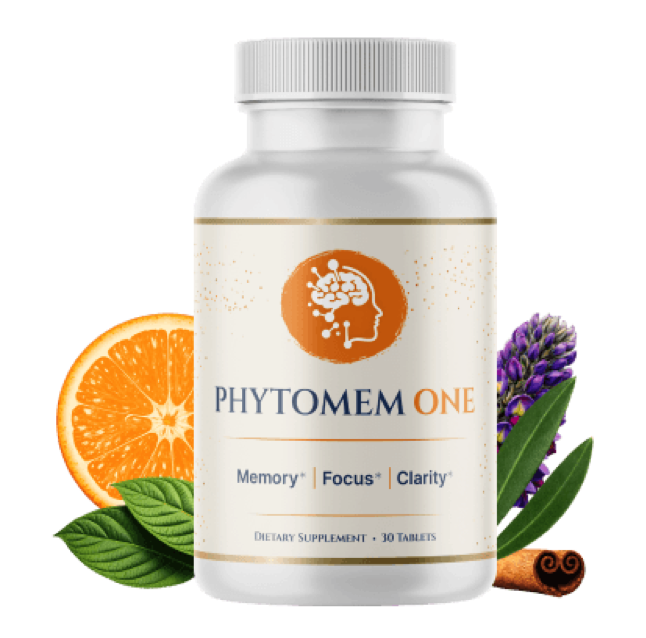
Memory lapses, brain fog, and declining mental sharpness are among the most commonly reported concerns among adults over 40. The supplement industry has responded with hundreds of “nootropic” and brain-support products — but most of them offer little more than caffeine, B vitamins, and aggressive marketing.
Phytomem One is one of the newer entrants in this crowded space, making bold claims about a “10-in-1 neuro-essential formula” that targets what the brand calls the “Plastic Stranglehold” — the idea that microplastic accumulation impairs brain function — and “Type 3 Diabetes,” a term sometimes used to describe brain insulin resistance. Those are attention-grabbing ideas. But do they hold up to scrutiny?
In this review, we take a careful, evidence-informed look at Phytomem One: what it contains, what the peer-reviewed science actually says, what it contains, how its ingredients have been studied, and how the product is marketed. We have examined each ingredient against published clinical and preclinical research, and provided citations throughout so you can verify the evidence yourself.
Phytomem One at a Glance
| Product | Phytomem One Brain Support supplement |
| Format | Tablets |
| Targets | Memory loss, Brain Boost, Mental clarity |
| Key ingredients | Saffron Extract, Fucoxanthin, Fucoidan, Oleuropein, Berberine HCl, Corosolic Acid and more |
| Price | $79/bottle (2-month) · $59/bottle (3-month) · $49/bottle (6-month) |
| Guarantee | 60-day money-back guarantee (processed via ClickBank) |
| Where to buy | Sold online through the Phytomem One Website |
What Is Phytomem One?
Phytomem One is a daily dietary supplement sold exclusively online through ClickBank. It is marketed toward adults experiencing age-related memory decline, brain fog, difficulty concentrating, or concerns about long-term cognitive health. The formula is presented as a two-pronged system:
- The Stranglehold Defense Matrix — targeting microplastic-related neuroinflammation and oxidative stress.
- The Brain Fuel Restoration Complex — targeting insulin resistance at the neurological level to restore the brain’s ability to process glucose efficiently.
One capsule is taken daily with food. The product is advertised as non-GMO, stimulant-free, and 100% natural.
The Science Behind the Claims
Microplastics and Brain Health
The concern that microplastics may harm brain health is no longer fringe science. A 2025 review published in Environment & Health confirmed that micro- and nanoplastics (MNPs) can penetrate the blood-brain barrier, activate microglial cells, and trigger neuroinflammation, with researchers detecting median MNP concentrations of 4,917 μg/g in 2024 brain tissue samples. [1] A comprehensive 2025 review in Frontiers in Toxicology further documented that MNP exposure disrupts antioxidant enzyme systems, increases lipid peroxidation in brain tissue, and amplifies neuroinflammatory cascades including NF-κB and NLRP3 inflammasome activation. [2] While causal links to neurodegenerative disease in humans remain under investigation, the biological plausibility is well established.
Brain Insulin Resistance (“Type 3 Diabetes”)
The hypothesis that Alzheimer’s disease and cognitive decline are linked to brain insulin resistance — sometimes called “Type 3 Diabetes” — was notably advanced by researchers at Brown University. The brain is a major consumer of glucose, and impaired insulin signaling may deprive neurons of energy, triggering amyloid accumulation and neurodegeneration. This remains an active and legitimate area of scientific inquiry, though it has not yet reached the status of established medical consensus.
Ingredient-by-Ingredient Breakdown
Phytomem One contains ten active ingredients grouped into three proprietary complexes. Below is an honest, citation-backed assessment of each.
1. Saffron Extract (Crocus sativus L.)
Saffron extract is one of the better-researched botanicals for brain health. A 2025 literature review published in PMC confirmed that saffron (30 mg/day) Some clinical studies have evaluated saffron in people with cognitive impairment and Alzheimer’s disease, although dietary supplements should not be viewed as substitutes for prescription treatment.[3] A separate systematic review and meta-analysis covering 46 randomized controlled trials found saffron to be significantly more effective than placebo for improving cognition, with an overall effect size of −4.26 (95% CI: −5.76, −2.77), and also beneficial for depression, anxiety, and sleep disorders.[4] The active compounds crocin and safranal are credited with antioxidant, anti-inflammatory, and neuroprotective effects. Saffron is among the more extensively studied ingredients included in the formula.
2. Fucoxanthin (Japanese Sea Kelp)
Fucoxanthin is a marine carotenoid from brown seaweed with documented antioxidant and neuroprotective properties. A comprehensive review in Marine Drugs concluded that fucoxanthin protects against major neurodegeneration pathways — including amyloid protein aggregation, oxidative stress, neuroinflammation, and neuronal loss — and can penetrate the blood-brain barrier, making it superior to many other carotenoids for CNS applications. [5] A study published in Scientific Reports found that fucoxanthin provided neuroprotection in traumatic brain injury models via the Nrf2-ARE pathway, reducing neurological deficits, cerebral edema, and neuronal apoptosis, while increasing neuron survival in vitro. [6] Most positive data comes from preclinical models; larger human trials remain limited.
3. Fucoidan (Japanese Sea Kelp)
Fucoidan is a sulfated polysaccharide from brown seaweed with multiple documented neuroprotective mechanisms. A 2025 review in Marine Drugs integrating data from cellular, preclinical, and emerging clinical studies found that Undaria pinnatifida fucoidan inhibits NF-κB and MAPK signaling pathways, reduces pro-inflammatory cytokines (TNF-α, IL-1β, IL-6), decreases reactive oxygen species (ROS), and attenuates amyloid-beta deposition. [7] A broader systematic review covering 39 articles confirmed fucoidan’s role in regulating lipid metabolism, enhancing the cholinergic system, maintaining blood-brain barrier integrity, and attenuating oxidative stress and apoptosis in CNS disease models. [8] The biological basis for its inclusion is strong, though human clinical trial data specific to cognitive outcomes are still emerging.
4. Oleuropein (Olive Leaf Extract)
Oleuropein is the primary polyphenol in olive leaves and a cornerstone of the Mediterranean diet’s brain-protective reputation. A 2024 PMC review covering cognitive health research found that olive polyphenols including oleuropein can normalize glucose levels and improve insulin sensitivity, reduce neuroinflammatory markers, and protect dopaminergic neurons — making them relevant for both metabolic and neurodegenerative conditions. [9] A 2022 study in PMC found that oleuropein demonstrated neuroprotection via the BDNF/CREB/Akt signaling pathway in a Parkinson’s disease model, and notably has approximately 400% greater antioxidant capacity than vitamin C. [10]
5. Berberine HCl
Berberine is arguably the most evidence-rich metabolic ingredient in the Phytomem One formula. A foundational study published in the American Journal of Physiology established that berberine activates AMPK (AMP-activated protein kinase), improving insulin sensitivity and metabolic function in insulin-resistant states. [11] Critically for brain health, a 2022 systematic review and meta-analysis covering 20 animal studies in Frontiers in Pharmacology confirmed that berberine significantly improves learning and memory in models of diabetes-related cognitive impairment, reducing fasting blood glucose, amyloid-β levels, oxidative stress, and inflammation. [12] A separate 2017 trial in diabetic rats showed berberine augmented glucose transporter GLUT3 expression in the prefrontal cortex by 2–3 times, directly addressing neuronal fuel supply. [13] This is the standout ingredient in the Brain Fuel Restoration Complex.
6. Ceylon Cinnamon Bark (Cinnamomum verum)
Ceylon cinnamon (“true cinnamon”) is the safer, lower-coumarin variety used in this formula. A randomized, double-blind, placebo-controlled crossover trial involving 18 healthy volunteers found that Ceylon cinnamon extract significantly reduced postprandial blood glucose and insulin excursions following a standardized meal, with the mechanism attributed to alpha-amylase inhibition — reducing carbohydrate digestion and therefore blood sugar spikes. [14] A larger randomized clinical trial evaluating 250 mg and 500 mg doses of Ceylon cinnamon extract in 210 patients with Type 2 Diabetes found improvements in glycemic control and insulin resistance markers, with a favorable safety profile. [15] Its synergy with berberine in this formula is pharmacologically coherent.
7. Corosolic Acid (Banaba Leaf)
Corosolic acid is the primary bioactive compound in Banaba leaf (Lagerstroemia speciosa). A comprehensive PMC review confirmed that corosolic acid at a dose of 10 mg/kg significantly reduces blood sugar levels and that this effect is specifically associated with increased translocation of GLUT4 glucose transporters — the molecular doorways that allow glucose into cells. [16] A randomized, double-blind, placebo-controlled crossover trial in men with impaired fasting glucose (published in 2022) found that corosolic acid supplementation improved both glucose and insulin responses, validating its blood-sugar-regulating effects in a human population. [17] Its mechanism (GLUT4 activation) complements berberine’s AMPK activation, creating a rational multi-target approach.
8. Kudzu Flower Extract (Pueraria lobata)
Kudzu root contains puerarin, a well-studied isoflavone with antioxidant, anti-inflammatory, and glucose-regulatory properties. A study published in Metabolic Brain Disease found that puerarin supplementation significantly improved learning and memory performance in diabetic rats, reducing acetylcholinesterase activity, oxidative stress markers (MDA), and inflammatory cytokines (TNF-α, IL-1β, IL-6) in the hippocampus. [18] A review in PMC confirmed that puerarin’s antidiabetic mechanisms include SGLT-1 inhibition, GLP-1 and insulin secretion enhancement, and PPAR-γ/GLUT-4 promotion — multiple pathways that support healthy brain glucose metabolism. [19] Evidence directly in human brain tissue remains limited, but the biochemical pathway is well-supported.
9. Morosil (Sicilian Blood Orange Extract)
Morosil is a proprietary extract from Moro blood oranges grown near Sicily’s Mount Etna. A randomized, double-blind, placebo-controlled trial found that 400 mg/day of Moro blood orange extract supplementation for 12 weeks produced significant reductions in body weight, BMI, waist and hip circumference compared to placebo in overweight healthy adults. [20] A 2025 preclinical study in International Journal of Molecular Sciences confirmed that C. sinensis extract uniquely restored pro-inflammatory cytokine levels (IL-1β, TNF-α, IL-6, IL-8) to normal values in obese rats — an effect not achieved by pharmaceutical comparators — and improved all antioxidant enzyme activity. [21] The manufacturer’s claim that Morosil improves the bioavailability of co-administered compounds is a reasonable description of how polyphenol-rich extracts can modulate absorption, though combination-specific human data would be needed to verify it precisely.
10. Xylitol
Xylitol is a naturally occurring sugar alcohol with a low glycemic index (GI ≈ 7 vs. 100 for glucose), recognized as Generally Regarded as Safe (GRAS) by the FDA. Its role here is likely functional — improving palatability or capsule composition — rather than as a primary active compound. It is generally well tolerated and unlikely to cause harm at typical supplemental doses.
Scientists found it. Nature made it.
Pros and Cons: An Honest Assessment
What We Like
- Evidence-backed core ingredients: Berberine, Saffron Extract, Ceylon Cinnamon, Corosolic Acid, and Morosil are supported by peer-reviewed clinical or preclinical research.
- Dual-mechanism design: Simultaneously targeting neuroinflammation and metabolic brain dysfunction is more sophisticated than single-angle brain supplements.
- Clean formulation: Non-GMO, stimulant-free, no artificial additives listed.
- Simple daily dosing: One capsule with food is easy to maintain long-term.
- 60-day money-back guarantee: A meaningful risk mitigation window that allows enough time to assess cognitive changes.
What Gives Us Pause
- No disclosed milligram dosages: The product page lists ingredients but not specific amounts per serving. This is a material limitation — dose is what separates therapeutic effect from placebo.
- Dramatized marketing language: Terms like “Plastic Stranglehold” frame real science in sensational ways that may raise false expectations.
- No third-party testing certificate: NSF, USP, or Informed Sport certification is not mentioned.
- Testimonials altered for privacy: The site’s own disclaimer notes that names and identifying details have been changed, and visuals may be AI-generated.
- Not a substitute for medical evaluation: Significant cognitive decline warrants professional assessment, not a supplement as the first response.
Pricing and Value
Phytomem One is available in three tiers:
- Starter (2 bottles): $79 per bottle — $158 total, plus shipping.
- Advanced (3 bottles): $59 per bottle — $177 total, with free US shipping.
- Ultimate (6 bottles): $49 per bottle — $294 total, with free US shipping.
For context, purchasing Berberine, Saffron, and sea kelp extracts individually at research-supported doses can run $60–$100 per month. If Phytomem One’s ingredient doses are therapeutic and the formulation is well-sourced, the 6-bottle package at $49/month is in a competitive range. Without disclosed dosages, however, this comparison remains speculative. The 60-day money-back guarantee is a genuine financial safeguard.
Who Is Phytomem One Marketed Toward?
Based on the ingredient profile, Phytomem One is most likely relevant for:
- Adults over 45 experiencing mild, age-related cognitive changes such as occasional forgetfulness or difficulty sustaining focus.
- Individuals with metabolic health concerns — pre-diabetes, insulin resistance, blood sugar fluctuations — who are also concerned about brain health, since the Berberine-Cinnamon-Corosolic Acid triad genuinely addresses this overlap.
- People looking to consolidate multiple brain and metabolic supplements into a single daily product.
- Health-conscious adults who prefer stimulant-free supplementation over caffeine-heavy nootropic stacks.
Phytomem One is not appropriate as a treatment for diagnosed dementia, Alzheimer’s disease, or other neurological conditions, which require proper medical evaluation. Note: berberine can interact with blood sugar medications, antibiotics, and blood thinners — always consult a physician if you take prescription drugs.
Final Verdict
Phytomem One fits the category of “genuine ingredients, dramatized story.” The underlying formula — targeting both neuroinflammation and brain insulin resistance — is scientifically coherent and meaningfully more sophisticated than generic brain supplements. Saffron, berberine, oleuropein, corosolic acid, and Morosil each carry peer-reviewed research that supports their inclusion. The marine compounds (fucoxanthin and fucoidan) add promising preclinical support.
At the same time, the lack of disclosed milligram dosages is a real limitation that prevents full scientific evaluation. The marketing language, while built on real research concepts, leans into emotional framing that goes beyond what current human evidence can precisely support.
Our overall assessment: If you’re an adult with mild cognitive concerns and an interest in metabolic health support, Phytomem One is not an unreasonable purchase — especially with the 60-day refund policy in place. We recommend (1) consulting your doctor before starting, especially if you take medications; (2) requesting the full supplement facts panel with milligram dosages before committing to the 6-bottle package; and (3) treating it as one component of a comprehensive brain-health approach that includes a quality diet, regular aerobic exercise, restorative sleep, and social engagement — all of which have stronger evidence for long-term cognitive protection than any supplement currently on the market.
Every foggy morning is a clue your brain is asking for help. Learn more.
Disclaimer
This article is for informational purposes only and does not constitute medical advice. Statements have not been evaluated by the Food and Drug Administration. This product is not intended to diagnose, treat, cure, or prevent any disease. Always consult a qualified healthcare professional before beginning any new supplement regimen, particularly if you have a medical condition or take prescription medications.
Scientific References
All citations are numbered in order of appearance. Click any link to access the source.
[1] Peng et al.. “Neurotoxicity of Micro- and Nanoplastics: A Comprehensive Review of Central Nervous System Impacts.” Environment & Health. 2025. https://pubs.acs.org/doi/10.1021/envhealth.5c00087
[2] Frontiers in Toxicology. “Overall effects of microplastics on brain.” Frontiers in Toxicology. 2025. https://www.frontiersin.org/journals/toxicology/articles/10.3389/ftox.2025.1619096/full
[3] Zeinali M, et al.. “From Mood to Memory: Unlocking Saffron’s Potential in Brain Health.” PMC. 2025. PMID: PMC12103703. https://pmc.ncbi.nlm.nih.gov/articles/PMC12103703/
[4] Abbaszadeh-Mashkani S, et al.. “New horizons for the study of saffron (Crocus sativus L.) and its active ingredients in the management of neurological and psychiatric disorders: A systematic review of clinical evidence.” PubMed. 2024. PMID: 38424688. https://pubmed.ncbi.nlm.nih.gov/38424688/
[5] Mariela Costoya et al.. “Seaweeds as Source of Bioactive Pigments with Neuroprotective and/or Anti-Neurodegenerative Activities: Astaxanthin and Fucoxanthin.” Marine Drugs. 2024. https://www.mdpi.com/1660-3397/22/7/327
[6] Zhang L, Wang H, Fan Y, et al.. “Fucoxanthin provides neuroprotection in models of traumatic brain injury via the Nrf2-ARE and Nrf2-autophagy pathways.” Scientific Reports. 2017. PMID: 28429775. https://www.ncbi.nlm.nih.gov/pmc/articles/PMC5399453/
[7] Correia AC, et al.. “Anti-Inflammatory and Neuroprotective Effects of Undaria pinnatifida Fucoidan.” Marine Drugs. 2025. PMID: PMC12471492. https://www.ncbi.nlm.nih.gov/pmc/articles/PMC12471492/
[8] Ye H, et al.. “Therapeutic potential of fucoidan in central nervous system disorders: A systematic review.” ScienceDirect. 2024. https://www.sciencedirect.com/science/article/abs/pii/S0141813024052024
[9] Tsvetkov P, et al.. “Anti-Inflammatory and Neuroprotective Polyphenols Derived from the European Olive Tree in Long COVID and Other Conditions Involving Cognitive Impairment.” PMC. 2024. PMID: PMC11507169. https://pmc.ncbi.nlm.nih.gov/articles/PMC11507169/
[10] Koyuncu I, et al.. “Oleuropein confers neuroprotection against rotenone-induced model of Parkinson’s disease via BDNF/CREB/Akt pathway.” PMC. 2022. PMID: PMC9922328. https://www.ncbi.nlm.nih.gov/pmc/articles/PMC9922328/
[11] Lee YS, Kim WS, et al.. “Berberine, a natural plant product, activates AMP-activated protein kinase with beneficial metabolic effects in diabetic and insulin-resistant states.” PubMed. 2006. PMID: 16873688. https://pubmed.ncbi.nlm.nih.gov/16873688/
[12] Hao Y, Li J, Yue S, et al.. “Neuroprotective Effect and Possible Mechanisms of Berberine in Diabetes-Related Cognitive Impairment: A Systematic Review and Meta-Analysis of Animal Studies.” Frontiers in Pharmacology. 2022. PMID: PMC9208278. https://www.ncbi.nlm.nih.gov/pmc/articles/PMC9208278/
[13] Chen Q, Mo R, Wu N, et al.. “Berberine Ameliorates Diabetes-Associated Cognitive Decline through Modulation of Aberrant Inflammation Response and Insulin Signaling Pathway in DM Rats.” Frontiers in Pharmacology. 2017. PMID: PMC5460072. https://www.ncbi.nlm.nih.gov/pmc/articles/PMC5460072/
[14] Beejmohun V, Peytavy-Izard M, Mignon C, et al.. “Acute effect of Ceylon cinnamon extract on postprandial glycemia: alpha-amylase inhibition, starch tolerance test in rats, and randomized crossover clinical trial in healthy volunteers.” BMC Complementary and Alternative Medicine. 2014. PMID: PMC4246455. https://www.ncbi.nlm.nih.gov/pmc/articles/PMC4246455/
[15] Ranasinghe P, et al.. “Efficacy and Safety of Cinnamomum zeylanicum (Ceylon cinnamon) for diabetes mellitus: a randomized, double blind, placebo-controlled clinical trial.” PubMed. 2025. PMID: 41412108. https://pubmed.ncbi.nlm.nih.gov/41412108/
[16] Stohs SJ, et al.. “Management of Diabetes and Its Complications with Banaba (Lagerstroemia speciosa L.) and Corosolic Acid.” PMC. 2012. PMID: PMC3468018. https://pmc.ncbi.nlm.nih.gov/articles/PMC3468018/
[17] Miura T, et al.. “Corosolic acid improves glucose and insulin responses in middle-aged men with impaired fasting glucose: A randomized, double-blinded, placebo-controlled crossover trial.” ScienceDirect. 2022. https://www.sciencedirect.com/science/article/pii/S1756464622003267
[18] Puerarin et al.. “Puerarin ameliorates cognitive deficits in streptozotocin-induced diabetic rats.” Metabolic Brain Disease. 2015. https://link.springer.com/article/10.1007/s11011-015-9779-5
[19] Zhu B, et al.. “Pharmacological Activity, Pharmacokinetics, and Clinical Research Progress of Puerarin.” PMC. 2022. PMID: PMC9686758. https://pmc.ncbi.nlm.nih.gov/articles/PMC9686758/
[20] Cardile V, et al.. “Effectiveness of ‘Moro’ Blood Orange Citrus sinensis Osbeck (Rutaceae) Standardized Extract on Weight Loss in Overweight but Otherwise Healthy Men and Women — A Randomized Double-Blind Placebo-Controlled Study.” PubMed. 2022. PMID: 35276783. https://pubmed.ncbi.nlm.nih.gov/35276783/
[21] Schmitt EG, Schreiner GE, et al.. “Moro Orange (Citrus sinensis (L.) Osbeck) Extract Mitigates Metabolic Dysregulation, Inflammation, Oxidative Stress, and Adipose Tissue Hyperplasia in Obese Rats.” International Journal of Molecular Sciences. 2025. PMID: PMC12193627. https://www.ncbi.nlm.nih.gov/pmc/articles/PMC12193627/
Other Articles You May Find of Interest...
- SodaPeak Reviews 2026 – Benefits, Side Effects, Pricing, and What Men Should Know
- AMP Joint-10 Reviews 2026 – Is It the Right Daily Joint Supplement for You?
- Glyco Barrier Reviews 2026 – Benefits, Ingredients, Side Effects, Pricing, and Results
- Senior Diet App Review 2026: Is This Meal Plan Worth It?
- Hinuki Lean Habit Jelly Reviews 2026 – Legit Korean Jelly Sticks Or Overhyped?
- Quiet Nerves Reviews 2026 – Legit Nerve Health Support Or Overhyped Formula?
- MEDVi QUAD Reviews (2026 NEW FORMULA) – What To Know Before You Enroll





