






More Everyday Living Articles
How Clothes Can Impact Your Health
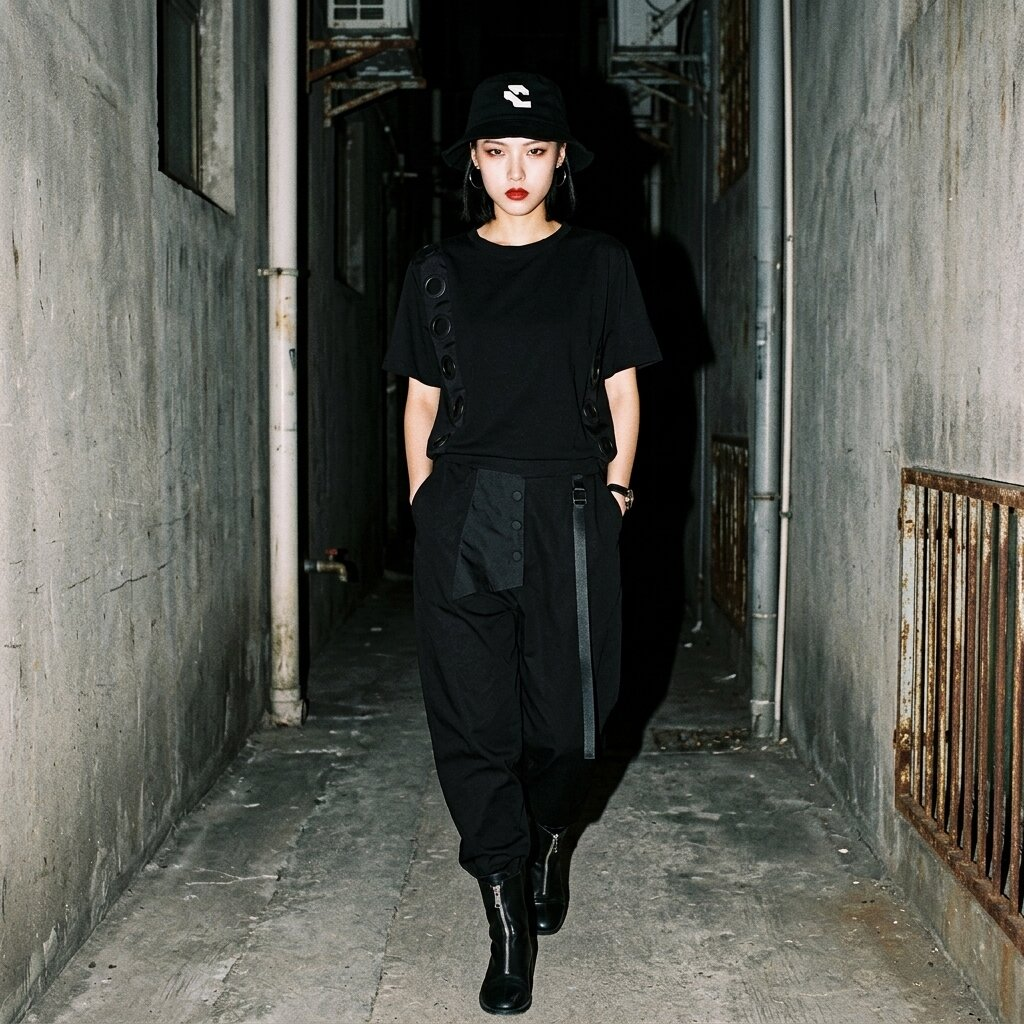
Clothing is often seen as a matter of style, identity, or personal taste. But what we wear does more than shape how others see us. It can affect how we move, how we breathe, how our skin reacts, how confident we feel, and even how productive we are during the day. The right outfit can support comfort, posture, temperature regulation, and mental focus. The wrong one can create irritation, restriction, overheating, stress, or long-term discomfort.
In modern fashion, especially with the rise of streetwear, techwear, and Y2K-inspired clothing, people are no longer choosing outfits only for appearance. They are looking for clothes that feel good, move well, and fit their lifestyle. Brands like Cyber Techwear show how fashion can combine visual impact with comfort, utility, and self-expression.
Clothing and Physical Comfort
The first way clothes affect health is through basic comfort. A shirt, jacket, pair of pants, or shoes that fits badly can create pressure points, restrict movement, or make the body feel tense. Tight waistbands may affect digestion and posture. Heavy fabrics can cause overheating. Rough materials may irritate the skin, especially for people with sensitivity.
Comfortable clothing allows the body to move naturally. When your clothes are too restrictive, your shoulders, hips, and back may compensate without you noticing. Over time, this can contribute to tension, fatigue, or discomfort. This is why fit matters as much as style.
A good outfit should let you sit, walk, bend, stretch, and breathe without resistance. This is especially important for people who spend long hours commuting, working at a desk, traveling, or moving through the city. Clothes that support daily movement can make the body feel lighter and less stressed.
The Link Between Clothing and Skin Health
Your skin is in direct contact with your clothes for most of the day. That means fabric quality, breathability, and cleanliness all matter. Synthetic materials that trap heat and sweat can sometimes create irritation, especially in warm weather or during physical activity. On the other hand, breathable fabrics help reduce moisture buildup and keep the skin more comfortable.
Clothing that is too tight can also create friction. This may lead to redness, itching, or breakouts, particularly around the neck, underarms, waist, and thighs. People with sensitive skin often benefit from softer fabrics, looser cuts, and garments that do not rub aggressively against the body.
Washing habits also matter. Detergent residue, sweat, and pollution can stay trapped in fabric. Wearing clean clothes, especially close-contact pieces like shirts, hoodies, and base layers, is an underrated part of skin care. Choosing comfortable everyday pieces, such as well-fittedY2K shirts, can help balance style with wearability.
How Clothes Affect Body Temperature
Temperature regulation is one of the most important health-related functions of clothing. What you wear can help your body stay warm in cold weather, cool in heat, and protected from wind or humidity. When clothing does not match the environment, the body works harder to regulate itself.
Overheating can lead to fatigue, discomfort, sweating, and reduced focus. Being too cold can create muscle tension and make the body feel stiff. Layering is one of the smartest ways to protect your health through clothing. Instead of relying on one heavy piece, multiple layers allow you to adjust throughout the day.
Techwear and functional streetwear often use this principle well. Lightweight layers, adjustable jackets, breathable tops, and practical outerwear give the wearer more control. This is not only a fashion advantage. It is a comfort and wellness advantage.
Clothing, Posture, and Movement
Clothes can influence posture more than most people realize. Tight jeans, stiff jackets, heavy bags, and poorly designed shoes can change the way someone stands or walks. If an outfit limits your range of motion, your body naturally adapts. Those small adaptations may become habits.
For example, a jacket that pulls at the shoulders may make you hunch forward. Pants that are too tight may shorten your stride. Shoes without support may affect your knees, hips, and lower back. Even a heavy coat can make you carry tension in the neck and shoulders.
Good clothing design respects the body’s natural movement. This is one reason oversized, relaxed, and utility-inspired fashion has become so popular. It gives the wearer room to move while still creating a strong visual silhouette. The best clothes do not fight the body. They work with it.
The Mental Health Side of Fashion
Clothing also affects emotional health. What you wear can influence confidence, mood, and self-perception. This does not mean expensive clothes are necessary. It means that clothes should help you feel aligned with yourself.
When someone wears an outfit that reflects their identity, they often feel more confident. A bold jacket, a clean black shirt, a structured hoodie, or a futuristic accessory can shift the way a person carries themselves. Fashion becomes a form of psychological armor.
This is especially true in subcultures like techwear, cyber fashion, gothic streetwear, and Y2K style. These styles allow people to express individuality in a world where many outfits feel repetitive. Wearing something visually strong can create a sense of control, energy, and presence.
Clothes and Productivity
The connection between clothing and productivity is real. People often behave differently depending on what they wear. Comfortable, intentional outfits can help create a mental switch. Just as workwear can make someone feel focused, streetwear can make someone feel creative, and athletic clothing can make someone feel ready to move.
If clothes are uncomfortable, distracting, or badly suited to the day, they can reduce focus. Constantly adjusting your shirt, sweating in the wrong fabric, or feeling restricted by your pants takes mental energy. The best outfit is one you do not have to fight with.
For remote workers, entrepreneurs, creatives, and students, clothing can become part of a personal routine. Getting dressed with intention can create structure, even when working from home. A strong outfit can help signal to the brain: now it is time to act.
Fashion, Confidence, and Social Health
Social health is another overlooked part of clothing. The way we dress can affect how comfortable we feel in public spaces, events, meetings, or social situations. Clothes can make someone feel hidden, exposed, powerful, relaxed, or out of place.
When your outfit matches your personality and environment, social interactions often feel easier. You are less distracted by insecurity and more present in the moment. This does not mean dressing to please everyone. In fact, the healthiest relationship with fashion often comes from dressing in a way that feels authentic.
A bold outfit can attract attention, but it can also attract the right kind of attention. It signals taste, confidence, and identity. For people who enjoy alternative fashion, this can create connection with others who share similar aesthetics.
Why Practical Fashion Matters
Healthier clothing choices do not have to be boring. Practical fashion can still be expressive, sharp, and visually powerful. The key is choosing pieces that combine design with function.
Look for clothes that allow movement, match the climate, feel good on the skin, and fit your lifestyle. Think about pockets, breathability, layering, weight, and durability. A beautiful piece that you never feel comfortable wearing is less useful than a strong piece you can wear again and again.
Modern fashion is moving toward this balance. People want clothes that look good in photos, feel good in real life, and support their daily rhythm. This is why functional streetwear and techwear continue to grow: they answer both visual and practical needs.
Final Thoughts: Your Clothes Should Work With Your Body
Clothes are not just decoration. They are part of your daily environment. They touch your skin, shape your posture, influence your temperature, affect your mood, and change how you move through the world.
The healthiest wardrobe is not necessarily the most expensive one. It is the one that makes you feel comfortable, confident, and physically free. It gives you room to move, breathe, express yourself, and face the day with more energy.
Fashion should never feel like a cage. It should feel like equipment for your life. When clothing supports both your body and your identity, it becomes more than style. It becomes a tool for better living.
Other Articles You May Find of Interest...
- Where Smelling Salts Are Sold and Why They Require Caution
- Why Vancouver’s Humidity Can Make Leather Seats Sticky—and Why Interior Cleanliness Matters
- Comfort Is a Design Decision: How Profile Shape Changes the Way a Ring Wears
- What’s Inside the Smelling Salts on Every Hockey Bench
- What Fresh Flowers Do for a Room (and a Mood), and How to Keep a Bouquet Alive Twice as Long
- Do Bed Bugs Bleed? The Stains on Your Sheets Explained
- How Shared Meals and Interactive Dining Can Create More Meaningful Social Gatherings





