More Healthcare Careers Articles
Beyond Treatment: What Patients Expect from Hospitals Today
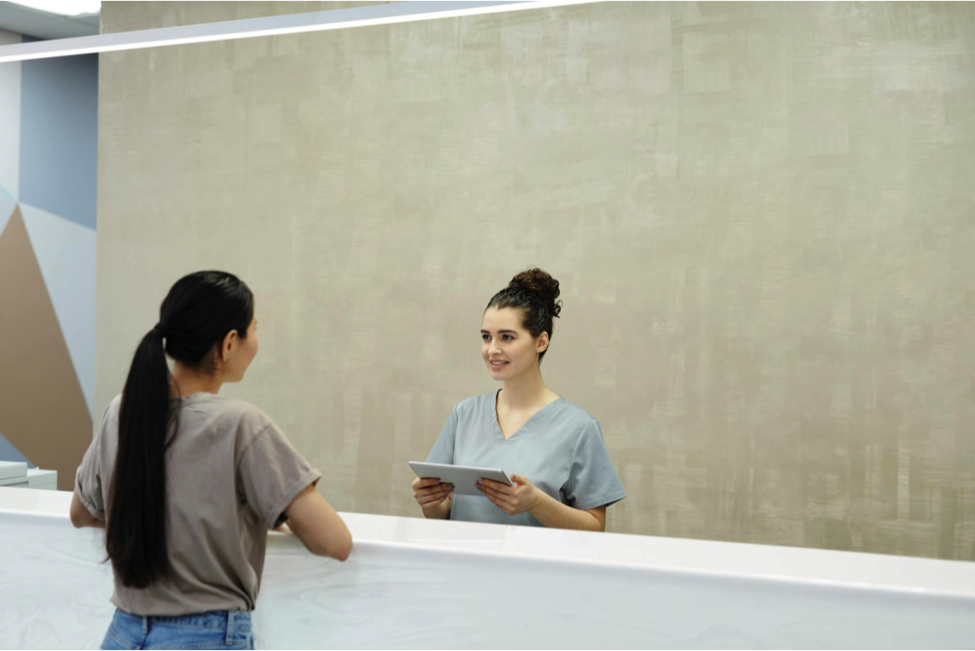
Healthcare has changed significantly over the past decade. Patients no longer judge a hospital solely by the quality of medical treatment they receive. People want hospitals to provide clear communication, efficient services, comfortable environments, and personalized support throughout their healthcare journey.
The rise of digital technology, greater access to health information, and increasing awareness of patient rights have all contributed to this shift. Modern patients compare healthcare experiences in much the same way they evaluate services in other industries. They value convenience, transparency, responsiveness, and respect. Hospitals that understand these expectations are better positioned to build trust, improve patient satisfaction, and strengthen long-term relationships with the communities they serve.
As patient expectations continue to evolve, healthcare organizations must adapt their strategies and operations to meet new demands.
In this article, we’ll explore what patients expect from hospitals today and how healthcare providers can deliver experiences that go beyond treatment alone.
Better Management and Stronger Hospital Leadership
Excellent healthcare depends on more than doctors and nurses. Behind every successful hospital is a leadership team responsible for coordinating operations, managing resources, and ensuring patients receive quality care. Strong management helps reduce delays, improve communication between departments, and maintain high service standards.
As healthcare systems become more complex, hospitals increasingly need administrators with advanced qualifications such as an MS in Healthcare Management. These professionals bring valuable knowledge in leadership, healthcare policy, finance, and organizational strategy. Reflecting the growing demand for skilled healthcare leaders, universities like Florida Institute of Technology now offer an online MS in Healthcare Management. Programs like these help prepare professionals to guide healthcare organizations through changing patient expectations and industry challenges.
Faster and More Convenient Access to Care
Patients expect healthcare to fit more smoothly into their lives. Long waits for appointments and complicated scheduling systems can create frustration before treatment even begins. Many people now look for hospitals that offer online booking, virtual consultations, and easy access to specialists.
Convenience has become a major factor in patient satisfaction. Whether someone needs a routine checkup or follow-up care, they want services that are accessible and efficient. Hospitals that reduce barriers to care make it easier for patients to seek help when they need it.
Clear and Transparent Communication
One of the most common complaints among patients involves poor communication. People want straightforward explanations about their diagnosis, treatment options, costs, and recovery plans. When information feels unclear or incomplete, trust can quickly weaken.
Hospitals that prioritize communication help patients feel more informed and confident about their care. This includes listening carefully to concerns, answering questions in plain language, and providing timely updates throughout treatment. Communication should not be limited to medical discussions alone. Administrative processes, appointment details, and billing information should also be presented clearly. Patients appreciate honesty and clarity, especially during stressful situations.
Personalized Patient Experiences
No two patients have the same needs, concerns, or preferences. Modern healthcare consumers expect hospitals to recognize this and provide care that feels tailored to their individual circumstances.
Personalization may involve creating treatment plans based on lifestyle factors, accommodating language preferences, or offering communication methods that suit each patient. Small efforts can make a meaningful difference in how patients perceive their experience. When hospitals show genuine interest in understanding the people they serve, patients often feel more respected, valued, and engaged in their healthcare decisions.
Shorter Wait Times and Efficient Processes
Patients understand that healthcare can be unpredictable, but they still expect hospitals to respect their time. Long delays in waiting rooms, slow discharge procedures, and unnecessary paperwork can create frustration even when medical care is excellent. Hospitals can improve satisfaction by streamlining admissions, reducing administrative bottlenecks, and using technology to support faster workflows. Efficient processes benefit both patients and healthcare professionals. Patients receive timely care, while staff can focus more attention on treatment rather than administrative tasks.
Greater Use of Technology and Digital Services
Patients now expect hospitals to make basic tasks easier through technology. Online portals, digital test results, appointment reminders, telehealth visits, and secure messaging can remove a lot of unnecessary stress from the care process. People do not want to call several times just to confirm an appointment or wait days for simple updates.
Technology also helps patients feel more connected to their care. When they can view reports, ask follow-up questions, or track prescriptions from home, the hospital experience feels less confusing. Digital tools should never replace human care, but they can make healthcare feel more organized, accessible, and responsive.
Comfortable, Clean, and Welcoming Facilities
The hospital environment shapes how patients feel from the moment they arrive. Clean rooms, clear signs, calm waiting areas, and respectful front-desk support can make a difficult visit feel more manageable. Patients notice small details, especially when they are anxious, tired, or in pain.
A welcoming facility does not need to feel fancy. It needs to feel safe, clean, and thoughtfully arranged. Comfortable seating, private spaces, and easy movement through the building can improve the overall experience. When hospitals pay attention to the physical environment, they show patients that their comfort is part of the care process.
Emotional Support and Compassionate Care
Illness can leave people feeling vulnerable, even when the medical issue seems routine. Patients remember how staff speak to them, whether someone listens without rushing, and whether their concerns receive real attention. Compassion can change the entire tone of a hospital visit.
Good care includes kindness, patience, and emotional awareness. A doctor explaining results gently or a nurse checking in with warmth can help patients feel less alone. Families also need support, especially during serious treatment or long hospital stays. Hospitals that value compassion create experiences that feel more human, not just more clinical.
The future of healthcare belongs to hospitals that understand the full patient experience. People still want skilled medical care, but they also want dignity, clarity, comfort, and connection. They want to feel seen during a process that can often feel rushed or uncertain. A hospital visit may only last a few hours or a few days, but the impression it leaves can stay with a patient for years.
Hospitals that listen closely to these expectations can create stronger relationships with the communities they serve. Better systems, kinder communication, thoughtful spaces, and continued support all help turn healthcare into something more personal. Treatment may bring patients through the door, but the experience surrounding that treatment is what often earns their trust.
Other Articles You May Find of Interest...
- Best ADAT Prep Courses for Dental Students and Dentists (2026)
- What Disqualifies Candidates in Healthcare Background Checks?
- What to Know Before Choosing an Accelerated Nursing Path
- What Is Pre-Nursing and Is It Worth It
- Beyond the Brochure: Choosing a Medical School With Your Future in Mind
- How Hybrid Nursing Education Is Rewriting the Route Into Healthcare
- RN Botox Certification Cost: What Nurses Really Pay to Build an Aesthetics Career