






More Reviews Articles
Lymph Tonic Reviews 2026: A Look at This Liquid Herbal Supplement for Lymphatic Drainage
Disclosure: This article may contain sponsored content or affiliate links provided by third parties. Publication does not constitute an endorsement by Your Health Magazine.
If you have ever reached the end of a long day only to notice your ankles swollen, your legs heavy, and your body carrying an inexplicable puffiness that no amount of water or rest seems to fix, you are not imagining things. These are classic signals that your lymphatic system may not be performing at its best. And in 2026, one supplement has been making the rounds in health and wellness circles with bold promises to do something about it — Lymph Tonic.
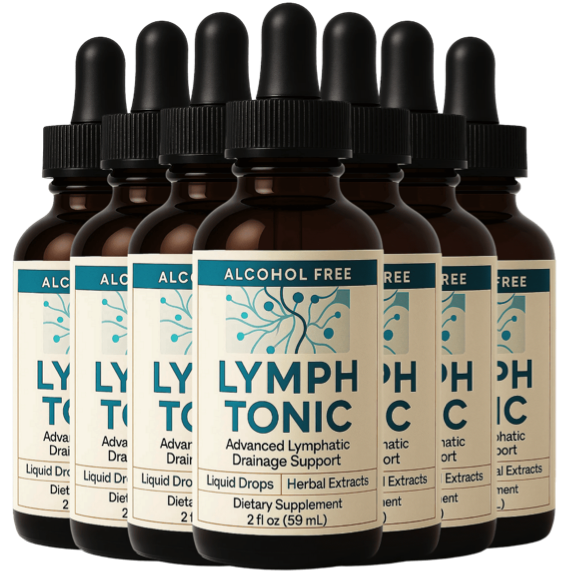
Sold exclusively through its official website at trylymphtonic.com, Lymph Tonic is an alcohol-free liquid herbal supplement that is marketed to support healthy lymphatic drainage, reduce fluid retention, and improve circulation through a blend of twelve botanically sourced ingredients. The marketing is polished, the ingredient list is interesting, and the customer reviews are overwhelmingly enthusiastic. But does the science back any of it up?
This review takes a thorough, unfiltered look at Lymph Tonic — what it is, what is in it, what real users are saying, and whether it deserves a place in your daily wellness routine.
✅Click Here To Visit Lymph Tonic Official Website
What Is Lymph Tonic and What Problem Does It Claim to Solve?
The lymphatic system is one of the body’s most underappreciated networks. It runs parallel to the circulatory system, carrying a fluid called lymph through a web of vessels, nodes, and organs. Its job is critical: it filters out waste, bacteria, and toxins, manages fluid balance throughout tissues, and plays a central role in immune defense.
Unlike the circulatory system, which has the heart to pump blood continuously, the lymphatic system depends almost entirely on movement — muscle contractions, breathing, and body motion — to keep fluid flowing. In a world where many people spend long hours sitting, sleep-deprived, or under chronic stress, lymphatic flow can become sluggish. Potential symptoms sometimes associated with fluid retention or circulation concerns may include swelling, bloating, or a feeling of heaviness in the legs.
Lymph Tonic positions itself as a targeted solution to this exact problem. It is marketed as an advanced lymphatic drainage support formula intended to support biological pathways associated with lymphatic function. Rather than offering a single-ingredient approach, it combines twelve compounds that the brand claims work across four distinct biological pathways related to circulation, inflammation, enzymatic activity, and cellular health.
Breaking Down the Ingredients: What Is Actually Inside Lymph Tonic?
The ingredient label is fully disclosed — a point worth noting because many supplements hide behind “proprietary blends” that make it impossible to evaluate what you are actually taking. Each two-dropper serving delivers 600mg of a concentrated herbal extract blend. Here is a closer look at the key active components.
Boswellia Serrata Extract
Boswellia, derived from the resin of the Boswellia tree and deeply rooted in Ayurvedic medicine, is one of the most well-researched natural anti-inflammatory compounds available. It works by inhibiting certain enzymes that drive inflammatory cascades in the body. Some researchers have explored the relationship between inflammation and fluid balance. Research published in Nutrients has highlighted Boswellia’s role in supporting joint comfort and fluid balance — making it a logical anchor for a lymphatic support formula.
Curcumin (from Turmeric)
Curcumin is the primary polyphenol found in turmeric and has been extensively studied. It targets multiple inflammatory pathways simultaneously and has been shown in numerous peer-reviewed studies to support vascular health, reduce oxidative stress, and modulate immune activity. For a supplement aiming to support lymphatic function, curcumin’s dual role as both an anti-inflammatory and antioxidant makes it a meaningful inclusion.
Horse Chestnut Extract
This is arguably the single most clinically credible ingredient in the Lymph Tonic formula. Horse chestnut extract, standardized for its active compound aescin, has been reviewed by the Cochrane Collaboration — one of the most rigorous independent research bodies in medicine — and has been studied in connection with leg edema associated with chronic venous insufficiency. Researchers have proposed several mechanisms involving vascular function and fluid balance.
Nattokinase
Nattokinase is a fibrinolytic enzyme derived from natto, a traditional Japanese fermented soybean food. It has been studied for its ability to support healthy blood flow by breaking down fibrin — a protein involved in clot formation — and improving overall circulatory dynamics. By promoting smoother blood movement, nattokinase may indirectly reduce the burden on the lymphatic system, which handles overflow fluid from vascular beds.
Baicalein
A powerful flavonoid found in Scutellaria baicalensis, a plant used extensively in Traditional Chinese Medicine, baicalein supports cellular health and has demonstrated antioxidant and anti-inflammatory properties in laboratory studies. Its role in protecting cellular integrity and supporting detoxification pathways adds a useful dimension to the formula.
Omega-3 Fatty Acids
The inclusion of omega-3s is strategic. These essential fatty acids are well-known for supporting cardiovascular and vascular health, and they also enhance the bioavailability and absorption of fat-soluble compounds like curcumin. By including omega-3s, the formula may improve how effectively the other ingredients are utilized by the body.
Ginger, Quercetin, Gotu Kola, and Supporting Botanicals
Rounding out the formula are ginger (known for its circulatory and digestive support), quercetin (a bioflavonoid with strong antioxidant properties), and gotu kola (a herb traditionally associated with vascular integrity and connective tissue health). Together, these botanicals create a layered approach to lymphatic support that draws from Ayurvedic, European herbalism, and East Asian medicine traditions.
✅Click Here To Visit Lymph Tonic Official Website
How Do You Take It?
Lymph Tonic is a liquid tincture, not a capsule. The recommended dosage is two droppers — approximately 2mL — taken once daily. Each two-fluid-ounce bottle contains 30 servings, meaning one bottle lasts a month. The formula is alcohol-free and can be taken directly under the tongue for faster absorption, or it can be mixed into water or juice for those who prefer a diluted form. There are no reported flavor complaints; the absence of alcohol means it avoids the harsh, burning taste common to many herbal tinctures.
Manufacturing Standards and Quality Assurance
One of the more reassuring aspects of Lymph Tonic is its manufacturing transparency. The product is made in the United States in an FDA-registered, GMP (Good Manufacturing Practice) certified facility and is subjected to third-party testing for purity and potency. These are not trivial credentials. GMP certification means the manufacturing environment meets strict federal standards for cleanliness, consistency, and quality control. Third-party testing means an independent laboratory — not the brand itself — is verifying what is in the bottle.
The formula contains no artificial additives, synthetic fillers, or alcohol. The inactive ingredients are limited to purified water, vegetable glycerin, and natural flavoring. For a supplement, that is a relatively clean label.
Potential Side Effects and Who Should Exercise Caution
Lymph Tonic is generally well-tolerated, and its natural, alcohol-free formulation reduces the risk of harsh reactions. That said, a few considerations apply.
Mild digestive upset is the most commonly reported side effect, particularly during the first week of use. This is not unusual with herbal supplements and typically resolves as the body adjusts. Taking the supplement with food can help mitigate this.
Medication interactions are a more serious concern. Nattokinase in particular has blood-thinning properties, and anyone taking anticoagulant medications such as warfarin or aspirin should consult their healthcare provider before starting Lymph Tonic. The same caution applies to people on blood pressure medications.
Pregnant or nursing individuals should not take this supplement without explicit clearance from their physician. Despite its natural formulation, several botanical ingredients have not been studied in pregnancy contexts.
People with diagnosed medical conditions — including lymphedema, heart failure, kidney disease, or venous insufficiency — should approach this as a complementary wellness supplement at best, and only after medical consultation. Lymph Tonic is not a treatment for any diagnosed condition.
Pricing and Where to Buy
Lymph Tonic is sold exclusively through its official website at trylymphtonic.com. Purchasing from any other source risks receiving counterfeit products, and third-party purchases will not qualify for the refund guarantee. Three purchase tiers are available:
| Package | Total Price | Per Bottle | Shipping |
| Starter (2 bottles) | $158 | $79 / bottle | Small fee |
| Popular Choice (3 bottles) | $207 | $69 / bottle | Free |
| Best Value (6 bottles) | $294 | $49 / bottle | Free Priority |
Every purchase is backed by a 60-day, 100% money-back guarantee, including empty bottles. The refund process requires only an email to the support team, with refunds processed within 48 hours.
What Lymph Tonic Does Well — and Where It Falls Short
What it gets right:
- The ingredient selection is thoughtful and draws on herbs with genuine research backgrounds.
- Horse chestnut’s Cochrane-reviewed evidence for leg edema is particularly strong for a supplement ingredient.
- The liquid dropper format may appeal to consumers who prefer liquid supplements over capsules.
- GMP-certified, FDA-registered, and third-party tested manufacturing is credible and above average for this product category.
- Full ingredient disclosure — no proprietary blends — allows consumers to evaluate what they are actually taking.
Where it falls short:
- Individual ingredient doses are not listed separately, making it difficult to verify clinically studied levels.
- Clinical evidence covers individual ingredients, not the complete twelve-ingredient formula.
- Marketing language can edge toward overclaiming; some mechanistic descriptions outpace current evidence.
- The product is marketed as a supplement intended for ongoing use rather than immediate results.
Final Verdict: Is Lymph Tonic Worth It?
For adults dealing with mild to moderate fluid retention, chronic leg heaviness, post-travel swelling, or the general sluggishness that often accompanies prolonged sitting and sedentary lifestyles, Lymph Tonic presents a reasonable, well-formulated option. It is not a miracle cure, it is not a medical treatment, and it will not deliver overnight results. But it is backed by a clean label, credible manufacturing standards, ingredients with legitimate research foundations, and an unusually strong track record of positive customer feedback.
The 60-day money-back guarantee — including empty bottles — removes most of the financial risk. Some consumers may find it worth evaluating, although results can vary.
As always, if your swelling or lymphatic symptoms are severe, persistent, or worsening, please consult a qualified healthcare professional before starting any supplement. Lymph Tonic is a wellness aid, not a substitute for medical diagnosis or treatment.
Other Articles You May Find of Interest...
- SodaPeak Reviews 2026 – Benefits, Side Effects, Pricing, and What Men Should Know
- AMP Joint-10 Reviews 2026 – Is It the Right Daily Joint Supplement for You?
- Glyco Barrier Reviews 2026 – Benefits, Ingredients, Side Effects, Pricing, and Results
- Senior Diet App Review 2026: Is This Meal Plan Worth It?
- Hinuki Lean Habit Jelly Reviews 2026 – Legit Korean Jelly Sticks Or Overhyped?
- Quiet Nerves Reviews 2026 – Legit Nerve Health Support Or Overhyped Formula?
- MEDVi QUAD Reviews (2026 NEW FORMULA) – What To Know Before You Enroll





