
More Reviews Articles
VisiFlora Reviews: A 90-Day Product Overview
Disclosure: This article may contain sponsored content or affiliate links provided by third parties. Publication does not constitute an endorsement by Your Health Magazine.
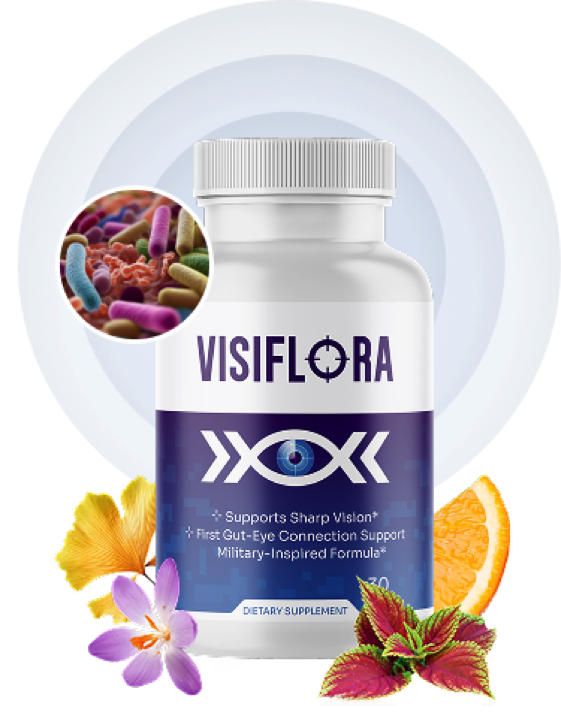
VisiFlora is a dietary supplement marketed for adults interested in supporting eye health through a formula that combines traditional vision-support nutrients with ingredients positioned around the gut-eye connection. This product overview is intended for readers who want a clear, publication-friendly summary of what the product is, how it is presented, what ingredients it contains, and what consumers should consider before using an eye-health supplement.
Changes in eyesight, floaters, glare, halos, eye pain, sudden blurry vision, or difficulty seeing at night should be discussed with an optometrist, ophthalmologist, or other qualified healthcare professional.
✅ Click Here To Visit VisiFlora Official Website
Why Eye-Health Supplements Attract Consumer Interest
Many adults spend long hours using computers, phones, tablets, and other screens. Others become more aware of eye comfort, contrast sensitivity, glare, or night-driving difficulty as they age. These concerns often lead consumers to research nutritional support for the eyes, especially ingredients such as lutein, zeaxanthin, bilberry, saffron, zinc, and antioxidant vitamins.
Dietary supplements are not substitutes for eye exams, prescription treatment, corrective lenses, or medical care. However, some consumers use eye-health formulas as part of a broader wellness routine that may also include regular vision care, blood sugar management when applicable, UV protection, screen breaks, hydration, sleep, and a nutrient-dense diet.
What Is VisiFlora, Actually?
VisiFlora is presented as a 22-in-1 eye-health supplement. Its formula combines established vision-support nutrients with botanicals and antioxidant compounds. The product is also marketed around the concept of the gut-eye axis, a developing area of research that explores how the gut microbiome, inflammation, immune signaling, and metabolic health may influence tissues throughout the body, including the eyes. Research into microbiome-related mechanisms is still evolving.
Formula Overview
The VisiFlora formula can be understood in several ingredient groups:
Vision Defense Matrix — This group includes astaxanthin, vitamins C and E, copper, selenium, and chromium. These ingredients are commonly associated with antioxidant support and general nutritional support for tissues exposed to oxidative stress.
Gut-Eye Barrier Complex — This group includes grape seed extract, rutin, quercetin, taurine, and alpha lipoic acid. These compounds are often discussed in relation to antioxidant activity, inflammation pathways, circulation, and cellular protection.
Vision Performance Boosters — This group includes ginkgo biloba, coleus forskohlii, and eyebright. These botanicals are commonly found in supplements marketed for circulation, eye comfort, and traditional vision-support uses.
Macular and Lens Protection Blend — This group includes lutein, zeaxanthin from marigold, vitamin A as beta carotene, zinc, bilberry extract, lycopene, and saffron extract. Lutein and zeaxanthin are among the most recognized nutrients in eye-health supplementation because they are concentrated in the macula and help filter certain wavelengths of light.
✅ Click Here To Visit VisiFlora Official Website
A 90-Day Use Framework
Because many nutritional supplements are designed for consistent use over time, VisiFlora is often discussed in terms of a multi-month routine rather than immediate effects. A 90-day overview is a reasonable way to evaluate practical factors such as tolerability, ease of use, cost, and whether the formula fits within a person’s broader eye-health plan.
Days 1–30: Initial Use and Tolerability
During the first month, users would generally be assessing how easily the supplement fits into a daily routine. Important considerations include capsule size, whether it is taken with food, any digestive discomfort, and whether the product conflicts with medications or other supplements.
Consumers should not expect dramatic vision changes within days. Nutrients such as carotenoids and antioxidants are typically discussed as long-term nutritional support, not quick interventions.
Days 31–60: Consistency and Observation
The second month is when users may be better able to assess whether the supplement is practical to continue. This period is also a useful time to track eye comfort, screen fatigue, dryness, glare sensitivity, and general visual strain while recognizing that many outside factors can affect these symptoms.
For example, sleep, hydration, allergies, contact lens use, medications, screen brightness, lighting conditions, and underlying eye conditions may all influence how a person’s eyes feel from day to day.
Days 61–90: Longer-Term Review
By the third month, users can make a more practical decision about value. The key question is not whether the supplement has produced a dramatic result, but whether the ingredients, cost, tolerability, and overall routine make sense for continued use.
Anyone who notices worsening vision, new floaters, flashes of light, sudden vision loss, pain, or a curtain-like shadow in the field of vision should seek urgent medical attention rather than relying on a supplement.
Ingredient Notes
Lutein and Zeaxanthin are carotenoids commonly used in eye-health supplements. They are concentrated in the macula and are often included in formulas designed to support normal visual function and macular pigment density.
Bilberry Extract contains anthocyanins, plant compounds associated with antioxidant activity. It is frequently marketed for visual comfort and night-vision support, though consumers should be cautious about exaggerated claims.
Saffron Extract appears in some eye-health formulas because of research interest in retinal and macular support. It should not be presented as a treatment for macular degeneration or any diagnosed eye disease.
Astaxanthin is a carotenoid antioxidant found naturally in algae and some seafood. It is commonly included in supplements for antioxidant support.
Ginkgo Biloba is often discussed in relation to circulation. People taking blood thinners, preparing for surgery, or managing medical conditions should ask a clinician before using products containing ginkgo.
Alpha Lipoic Acid is an antioxidant compound used in some metabolic and eye-health supplement formulas. People with diabetes or blood sugar concerns should review supplement use with a healthcare professional.
What Consumers Should Consider
Cost. A multi-month supplement routine can become expensive. Consumers should compare the price against the ingredient list, serving size, return policy, and whether similar nutrients are already present in other supplements they take.
Timeline. Eye-health supplements should not be expected to work like medications or procedures. Any perceived changes may be gradual, subtle, or difficult to separate from other lifestyle factors.
Medical fit. People with diagnosed eye disease, diabetes, glaucoma, macular degeneration, cataracts, retinal issues, or a history of eye surgery should speak with an eye-care professional before relying on any supplement routine.
Medication interactions. Botanical ingredients and antioxidants may interact with medications or affect certain health conditions. This is especially important for people taking anticoagulants, diabetes medications, blood pressure medications, or multiple supplements.
Bottom Line
VisiFlora is best understood as a comprehensive eye-health supplement that combines familiar vision-support nutrients with antioxidant and gut-health-related ingredients. Its formula includes several ingredients commonly found in eye-health products, along with additional compounds intended to support broader oxidative stress and inflammatory pathways.
This article is for informational purposes only and is not medical advice. Dietary supplements are not intended to diagnose, treat, cure, or prevent any disease. Consult a healthcare provider before beginning any new supplement regimen, especially if you are pregnant, nursing, taking medication, managing a medical condition, or experiencing urinary symptoms.
Other Articles You May Find of Interest...
- SodaPeak Reviews 2026 – Benefits, Side Effects, Pricing, and What Men Should Know
- AMP Joint-10 Reviews 2026 – Is It the Right Daily Joint Supplement for You?
- Glyco Barrier Reviews 2026 – Benefits, Ingredients, Side Effects, Pricing, and Results
- Senior Diet App Review 2026: Is This Meal Plan Worth It?
- Hinuki Lean Habit Jelly Reviews 2026 – Legit Korean Jelly Sticks Or Overhyped?
- Quiet Nerves Reviews 2026 – Legit Nerve Health Support Or Overhyped Formula?
- MEDVi QUAD Reviews (2026 NEW FORMULA) – What To Know Before You Enroll