






More Legal and Health Articles
What Gulf Shores Injury Victims Need to Know About Compensation
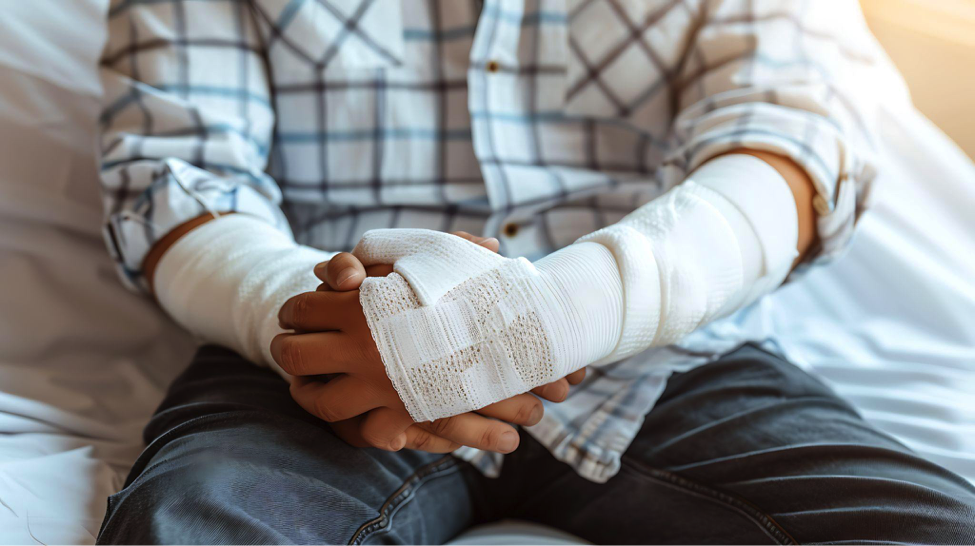
If you were injured in Gulf Shores, Alabama, understanding how compensation works in your state is one of the most practical steps you can take after an accident. Alabama follows a distinct set of legal rules that differ significantly from most other states, and those rules directly affect what you may recover, how much time you have to act, and what happens if another party shares fault for the incident.
Alabama’s Fault System and How It Affects Your Claim
Alabama is one of the few states that still applies a pure contributory negligence standard. According to a Gulf Shores personal injury lawyer, this rule means that if you are found even one percent at fault for your own injuries, you may be barred from recovering any compensation at all.
This standard is far stricter than the comparative fault systems used in most other states, where partial fault simply reduces your recovery rather than eliminating it. Because the bar is so high, the facts surrounding how an accident occurred carry significant legal weight in Alabama cases.
The Statute of Limitations in Alabama
Alabama Code Section 6-2-38 sets a two-year deadline for filing most personal injury lawsuits. If you do not file within that period, Alabama courts will generally refuse to hear your case, regardless of how strong the underlying claim may be.
There are limited exceptions, including cases involving minors or certain situations where a plaintiff could not reasonably have discovered the injury. These exceptions are narrow and do not apply in most standard accident cases, so the two-year window should be treated as a firm deadline.
Types of Compensation Available to Injured Parties
Injured parties in Alabama may pursue two broad categories of damages: economic and non-economic. Economic damages cover losses with a defined dollar value, such as:
- Medical costs and lost wages
- Future treatment costs
- Reduced earning capacity
- Property damage
- Out-of-pocket rehabilitation expenses
Non-economic damages address harm that does not carry a fixed price, including physical pain, emotional distress, and loss of enjoyment of daily activities. Alabama does not cap non-economic damages in most personal injury cases, though punitive damages are subject to statutory limits.
Punitive Damages and When They Apply
Alabama allows punitive damages in cases where the defendant’s conduct was willful, wanton, or fraudulent. These damages are meant to punish extreme behavior, not to compensate the injured party for losses.
Under Alabama Code Section 6-11-21, punitive damages in most civil cases are capped at three times the compensatory damages awarded or $1.5 million, whichever is greater. Certain exceptions apply in cases involving physical harm, where the cap may be higher.
Insurance Considerations in Gulf Shores Cases
Alabama requires drivers to carry minimum liability insurance, but the state does not mandate uninsured motorist coverage. Drivers can reject uninsured and underinsured motorist coverage in writing, which means some at-fault drivers may carry no coverage beyond the state minimum.
In Gulf Shores, where tourism and seasonal traffic are common, accidents sometimes involve out-of-state drivers whose policies are governed by different terms. Identifying all available coverage sources early in the process can affect how a claim is structured.
Premises Liability and Gulf Shores Tourism Venues
Given that Gulf Shores is a major tourist destination, premises liability claims are relatively common, particularly those involving rental properties, hotels, beach access areas, and amusement attractions. Alabama property owners owe different duties of care depending on whether the injured person qualifies as an invitee, licensee, or trespasser under state law.
Invitees, who enter property for a commercial or public purpose, receive the highest level of legal protection. Property owners must maintain reasonably safe conditions and warn invitees of known hazards that are not obvious to visitors.
What to Do After an Injury in Gulf Shores
Preserving evidence promptly after an accident strengthens any future legal claim. This includes photographing the scene, collecting contact information from witnesses, and seeking medical attention even when injuries appear minor.
Medical records created shortly after an incident carry significant evidentiary weight in Alabama civil cases. Delays in seeking treatment are sometimes used to argue that injuries were less severe than claimed or were caused by a separate event.
Understanding Your Position Before Taking Action
Alabama’s contributory negligence rule, combined with a two-year filing deadline and varying insurance landscapes, creates a legal environment where the specific facts of your case matter enormously. The outcome of an injury claim in Gulf Shores often depends on how well the evidence is gathered, how liability is framed, and whether all available compensation sources have been identified before a claim is resolved.
Other Articles You May Find of Interest...
- The Physical and Emotional Recovery Timeline After a Car Accident
- How Are Lost Financial Support and Future Earnings Calculated in a Wrongful Death Case in Buffalo?
- What Michigan’s 12-Plant Home Grow Law Allows—and the Health and Safety Issues to Know
- What Actually Governs A Ketamine Clinic In Arizona
- How a Tucson Medical Malpractice Lawyer Reviews a Potential Claim
- 7 Steps to Protect Important Evidence After an Injury in Santa Monica
- How Are Future Medical Expenses Estimated in a Stockbridge Injury Settlement?





