More Health News & Research Articles
Why Purity Testing Matters When Comparing Peptide Suppliers

High-Performance Liquid Chromatography For Purity
High-Performance Liquid Chromatography, or HPLC, is a workhorse for checking how pure your peptide sample is. It works by separating different molecules in a liquid. Think of it like a race where different peptides move at different speeds through a special column. The faster they move, the less they interact with the column material. What this tells us is the percentage of your sample that is the actual peptide you ordered, versus any other stuff that might have snuck in during production. High HPLC purity percentages are commonly referenced in research settings, though acceptable purity specifications may vary depending on the intended application. It’s a key number on any Certificate of Analysis (COA).
HPLC is great for quantifying impurities, but it can’t tell you what those impurities are. It just tells you they exist and how much of them there is. So, while a 99% HPLC purity sounds fantastic, it doesn’t confirm you have the right peptide. It’s a vital first step, but not the whole story when it comes to peptide verification.
Mass Spectrometry For Molecular Identity
Mass Spectrometry (MS) is the next piece of the puzzle. If HPLC tells you how much of something is there, MS tells you what that something is, by measuring its weight. Every molecule has a unique mass, and MS can detect this. When a supplier provides a peptide, they should be able to show that the mass of the peptide in the sample matches the expected mass of the peptide you ordered. This is how you confirm molecular identity. It’s like checking if the fingerprint matches the suspect.
MS is really good at spotting if the wrong amino acids were used or if there are sequence errors. However, it can sometimes miss subtle structural differences or modifications that don’t change the overall mass. It’s a powerful tool for confirming that the peptide is indeed the one you asked for, but it works best when paired with other methods. Without MS, you might have a very pure sample of the wrong peptide.
Nuclear Magnetic Resonance For Structural Integrity
Nuclear Magnetic Resonance (NMR) spectroscopy goes even deeper, looking at the actual structure of the peptide. It provides detailed information about the arrangement of atoms within the molecule. This technique can confirm the three-dimensional structure and the precise composition of the peptide. NMR is particularly useful for verifying that the peptide has folded correctly and has the expected structural integrity. It’s the most thorough method for confirming the overall structure.
While NMR offers incredible detail, it’s not always the best method for detecting very small amounts of impurities or for routine checks on every single batch. It’s more complex and time-consuming than HPLC or MS. However, for critical applications where structural accuracy is paramount, NMR provides a level of assurance that other methods can’t match. Together, HPLC, MS, and NMR offer a robust way to verify peptide quality.
The Critical Role Of Independent Peptide Testing
Mitigating Conflicts Of Interest In Lab Testing
When a peptide supplier also handles its own quality control, there’s a potential for bias. It’s not always intentional, but the pressure to show good results can influence how tests are run or interpreted. This is a real concern because even small differences in how tests are done can change the outcome. Think about it: if the company making the peptide is also the one saying it’s pure, who’s really checking the checker?
This is where independent peptide testing steps in. An outside lab has no stake in whether the peptide sells well. They just report the facts. This separation helps avoid those tricky situations where results might look a little too good to be true. Independent verification is key to getting unbiased data. It’s about making sure the results you get are about the peptide itself, not about someone’s desire for a sale.
Without this outside view, research can go wrong. We’ve seen cases where impurities in peptides caused unexpected reactions in lab tests, making the whole experiment unreliable. Relying solely on a supplier’s internal tests means you might be missing these hidden problems. Independent peptide testing provides that necessary layer of scrutiny.
Objectivity Provided By External Laboratories
External laboratories act as neutral observers in the world of peptide quality. They don’t have a financial interest in the product they’re testing. This means their reports are based purely on the analytical data, free from any pressure to please the supplier. This objectivity is what makes their findings trustworthy.
When you send a peptide sample to an external lab, you’re getting a second opinion from someone who isn’t involved in making or selling the product. They use their own equipment and follow their own strict protocols. This process helps confirm that the purity and identity claims made by the supplier are actually accurate. It’s a way to double-check the work.
This objective approach is vital for building confidence in research. If a study relies on a specific peptide, knowing that its quality has been confirmed by an independent party adds significant weight to the findings. It means the results are more likely to be reproducible and reliable, which is the goal of good science.
Building Trust Through Verified Results
Verified results from independent testing are the bedrock of trust between peptide suppliers and researchers. When a supplier can show that their products have passed muster with a third-party lab, it speaks volumes about their commitment to quality. This isn’t just about marketing; it’s about providing solid proof.
Researchers need to know they can count on the materials they use. If a peptide isn’t what it claims to be, it can lead to wasted time, failed experiments, and incorrect conclusions. Having a Certificate of Analysis (CoA) backed by independent testing provides that assurance. It shows that the supplier is transparent and stands behind their product.
Ultimately, this trust benefits everyone. Researchers can proceed with their work confidently, knowing their inputs are reliable. Suppliers who consistently provide high-quality, verified peptides build a strong reputation and a loyal customer base. It’s a win-win situation built on the solid foundation of accurate, independent laboratory testing.
Why Comprehensive Testing Is Essential For Peptide Suppliers
Eliminating Blind Spots With Multi-Method Analysis
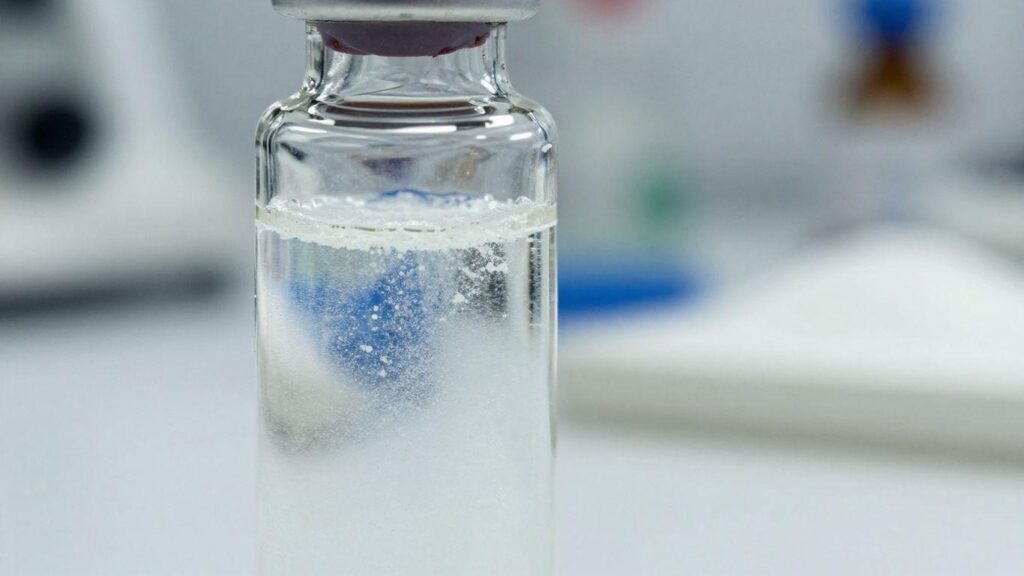
Peptide purity isn’t a simple yes or no question. Relying on just one test leaves gaps. Think of it like checking a lock with only one keyhole – you might miss other ways in. Suppliers need to use a mix of methods to really know what they’re selling. This means using techniques like HPLC to see what’s in the mix and how much, and Mass Spectrometry to confirm the actual molecule is what it should be. Without this multi-method approach, suppliers risk missing subtle issues that could mess up your research later on. Comprehensive testing is the only way to be sure.
Ensuring Reproducibility Through Rigorous Standards
Research needs to be repeatable. If a peptide isn’t what the supplier claims, your results won’t match anyone else’s, or even your own next time. This is where rigorous standards come in. Suppliers who follow strict protocols for testing, like those found in GMP environments, provide a level of consistency. They document everything, from synthesis to final checks. This means the peptide you get today should be the same quality as the one you get next month. This focus on reproducible quality is what makes a supplier reliable for serious scientific work. It’s not just about purity; it’s about consistency.
The Importance Of Certificates Of Analysis
A Certificate of Analysis (CoA) is more than just a piece of paper. It’s a supplier’s report card for a specific batch of peptide. A good CoA will detail the results from various tests, like HPLC purity percentages and Mass Spectrometry data. It shows that the supplier actually did the work to verify their product. When suppliers provide detailed CoAs, it builds trust. It means they’re open about their quality control and stand behind their product. Always check the CoA before you buy; it’s your first line of defense against bad materials. If a supplier can’t or won’t provide a detailed CoA, that’s a big red flag.
Assessing The Quality Of Peptide Suppliers
When you’re looking for peptides for your research, figuring out which supplier is actually good can feel like a puzzle. It’s not just about picking the cheapest option; the quality of the peptide directly impacts your results. You want to be sure you’re getting what you paid for, especially when your experiments depend on precise materials. This means looking beyond the marketing and digging into how they prove their product’s quality.
Choosing a reliable peptide supplier is a foundational step for any serious research project. You need to know that the peptides you use are pure and accurately identified. This isn’t a small detail; it can mean the difference between clear, reproducible results and a lot of wasted time and resources. Think of it like building a house – you need solid materials from the start, or the whole structure could be compromised.
So, how do you actually assess these suppliers? It comes down to looking for transparency, verifiable data, and a commitment to quality that goes beyond just words. We’ll cover some red flags to watch out for, what documentation you should expect, and why customer support matters when you’re working with sensitive research materials. Getting this right saves you headaches down the line.
Impact Of Purity On Research Outcomes
Preventing Cascade Failures In Experimental Workflows
When you start an experiment, you expect certain results based on the materials you use. If the peptide isn’t pure, those expectations go out the window. You might see odd results, leading you to repeat the experiment, change your methods, or troubleshoot other parts of your setup. This can eat up a lot of time and resources. A single impure peptide can trigger a chain reaction of failed experiments. This cascade effect is a major headache for any researcher.
Imagine spending weeks on an experiment only to find out later that the peptide was the problem all along. You have to go back to square one. This isn’t just about wasted time; it’s about the potential for misleading data. If you don’t catch the issue early, you might publish findings based on faulty inputs, which can have wider implications for the scientific community. Proper purity testing helps avoid this entire mess.
It’s like building a house on a shaky foundation. If the base materials aren’t solid, the whole structure is at risk. For research, the peptide is often a core component. If its purity is compromised, the entire study’s integrity is compromised. This is why paying attention to the purity of your peptides isn’t just a good idea; it’s a necessity for reliable scientific work.
The Risks Of Unverified Materials In Research
Using peptides without confirmed purity is a gamble. You simply don’t know what you’re actually working with. There’s always a chance of contamination, degradation, or even that the material isn’t what the label claims it is. This uncertainty means your experimental results could be meaningless, or worse, actively misleading. The consequences can ripple outwards, affecting not just your work but potentially influencing other research that builds upon your findings.
These unverified materials can lead to false data, flawed methodologies, and results that can’t be reproduced by others. This wastes not only your time and money but also the time and money of anyone who tries to replicate your work. In the long run, it can damage your reputation and the credibility of your institution. It’s a serious risk that can be avoided with simple verification steps.
The scientific process relies on trust and reproducibility. When researchers use materials with unknown or unverified purity, they introduce a fundamental weakness into their work. This undermines the very principles of scientific discovery and can lead to significant setbacks.
Ensuring Reliable Inputs For Scientific Discovery
Scientific discovery hinges on reliable data, and reliable data starts with reliable materials. When you use peptides with verified purity, you’re building your research on a solid foundation. You can be more confident that the biological responses or chemical reactions you observe are due to the peptide itself, not some hidden impurity or degradation product. This confidence is key to moving scientific understanding forward.
Having confidence in your peptide purity means you can focus on the scientific questions you’re trying to answer, rather than worrying about whether your reagents are sabotaging your efforts. It streamlines your workflow and makes your results more dependable. This is especially important when your work is intended for publication or for developing new technologies or therapies.
Ultimately, using high-purity peptides from reputable suppliers, backed by thorough testing, is an investment in the quality and validity of your research. It’s about making sure that the effort you put in yields meaningful and accurate results, contributing positively to the scientific landscape.
Choosing Peptide Suppliers With GMP Standards
Benefits Of USA GMP Manufacturing
When looking for peptide suppliers, especially for research applications, the location of manufacturing can matter a lot. Facilities operating under Good Manufacturing Practice (GMP) standards, particularly those in the USA, adhere to strict FDA oversight. This means a consistent quality framework is in place for all products. USA GMP manufacturing often translates to shorter shipping times, which is important for keeping sensitive peptides stable. It also means better documentation and easier communication if you have technical questions about your order.
Choosing a supplier with USA GMP standards helps ensure you’re getting a product made with reliable processes. This geographical advantage can simplify things like customs procedures for research institutions. It’s about having confidence in the manufacturing environment. The focus on GMP means that quality control is a priority from the start.
Beyond the quality control, domestic manufacturing can also mean a clearer chain of custody. You know where the product came from and how it was handled. This transparency is a big plus when you need to document your research materials thoroughly. It’s a sign of a supplier committed to providing research-grade materials.
Consistent Quality Frameworks For Research
GMP standards provide a structured approach to manufacturing that research labs can rely on. This consistency is key for experimental reproducibility. When a supplier follows a robust quality framework, you can expect similar purity and identity from batch to batch. This predictability is what researchers need to trust their results.
These frameworks cover everything from raw material sourcing to final product testing. They aim to minimize risks and errors throughout the production process. For research-grade peptides, this means a higher likelihood of meeting the specified purity levels, often aiming for 99% or higher. This level of detail in the manufacturing process is what separates good suppliers from the rest.
Having a consistent quality framework means you’re less likely to encounter unexpected issues with your peptide supply. It builds confidence that the materials you’re using are what they claim to be. This reliability is non-negotiable for serious scientific work.
Regulatory Oversight And Documentation
GMP manufacturing, especially in the USA, comes with significant regulatory oversight. This means that facilities are regularly inspected and held accountable for their processes. This external scrutiny adds another layer of assurance for the quality of the peptides. It’s not just about the supplier’s word; it’s about adherence to established regulations.
This oversight also means that suppliers are required to maintain detailed documentation. This includes batch records, testing results, and quality control measures. For researchers, this translates into more reliable Certificates of Analysis (COAs) and Material Safety Data Sheets (MSDS). These documents are vital for lab safety, protocol documentation, and compliance.
When a supplier provides thorough documentation that aligns with regulatory standards, it shows a commitment to transparency and quality. It allows researchers to verify the product’s specifications and handling requirements. This level of detail is what you should expect from a professional peptide supplier.
Conclusion
When you’re deep into research, the last thing you need is a peptide that doesn’t measure up. It’s not just about getting a good price; it’s about making sure your experiments yield real, reliable results. By paying attention to how peptide suppliers verify their products—insisting on multiple testing methods and clear documentation—you’re investing in the integrity of your work. Don’t let questionable materials derail your progress. Choose wisely, and let your scientific discoveries be based on solid, verified peptide quality.
Other Articles You May Find of Interest...
- The Evolution of Incretin Mimetic Research: How Triple Receptor Agonists Are Redefining Metabolic Science
- Peptide Research Across Biological Systems: Comparing Metabolic Signalling and Cellular Pathway Investigations
- How Does Tirzepatide Work? What Dual GIP/GLP-1 Agonism Studies Are Exploring in the Lab
- GLP-1, GIP and Glucagon Receptors: Exploring Multi-Receptor Research
- Role of SCARA5 ELISA Kit in Cancer Research
- The $28 Billion Habit of Not Checking Your Inputs
- BPC-157 Peptide Benefits: What Research Says About Recovery, Healing and Tissue Repair