






More Vascular Health Articles
What Doctors Actually Use to Remove Spider Veins
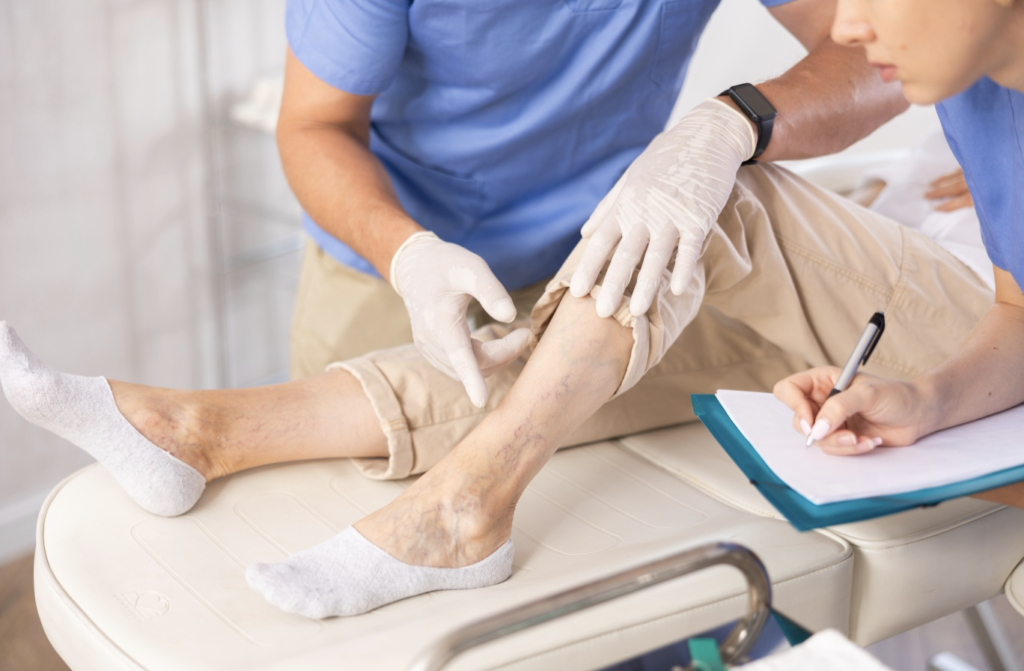
Spider veins appear overnight. Or so it seems. Small red or purple lines spreading across the skin like cracks in pavement. Delicate. Intricate. Infuriatingly visible. They’re harmless medically. Mostly. But they announce themselves persistently. Embarrassingly. People notice them. Ask about them. Try to cover them with makeup or clothes. Resign themselves to accepting them as permanent fixtures on their bodies.
But spider veins don’t have to be permanent. Modern medicine obliterated that idea decades ago. Multiple approaches exist. Real approaches. Proven approaches. Approaches that actually work and produce lasting results. Understanding what doctors use to treat spider veins matters. Not just for vanity, though that’s absolutely legitimate. But because spider veins sometimes signal deeper venous dysfunction. Because effective treatment exists. Because choosing wisely depends on understanding your actual options.
What Spider Veins Actually Are
Spider veins aren’t mysterious or complicated. They’re simply veins. Visible ones. Close to the skin’s surface. Small. Damaged. Unable to perform their function anymore. They appear predominantly on legs because gravity works relentlessly against them there. Blood pools. Pressure accumulates. The vein walls weaken gradually. The vein becomes visible. Unavoidably visible.
They differ substantially from varicose veins. Varicose veins bulge outward. They’re larger. They protrude visibly. They cause symptoms. Pain sometimes. Heaviness. Aching that worsens with standing. Spider veins mostly just look bad. Though some people report mild itching. Occasional burning sensations. Nothing debilitating. Just annoying.
Spider veins develop from convergence. Multiple causes converging simultaneously. Genetics matters profoundly. If your parents had them, you probably will too. Age contributes. Years accumulate. Gravity wins. Standing or sitting in one position for hours. Pregnancy transforms the body. Hormonal changes shift everything. Prolonged heat exposure dilates vessels. Excess weight puts pressure on the venous system. Multiple factors compound. Each one weakens the system further.
Women develop spider veins more frequently than men. Hormones drive it. Pregnancy accelerates it. But men absolutely develop them too. Gender doesn’t provide immunity.
Why Doctors Actually Recommend Treatment
Doctors recommend spider veins treatment for wildly different reasons, depending entirely on the patient. Some patients want treatment purely cosmetic. Nothing wrong with that whatsoever. The veins bother them. They’ve bothered them for years. They want them gone. That’s legitimate motivation. That’s enough.
Other patients seek treatment because underlying venous insufficiency exists. Spider veins operate as indicators. Warning signs. They signal that blood isn’t flowing properly through the venous system. Treating them means addressing the surface problem while investigating what’s happening deeper. Some patients develop skin discoloration. Darkening. Eczema-like changes. Other complications require intervention.
Still others pursue treatment for symptom relief. Itching that intensifies over time. Mild burning sensations. Heaviness in the legs that worsens by evening. Restlessness at night. The symptoms don’t sound dramatic. Nobody describes leg heaviness as an emergency. But symptoms accumulate. They affect quality of life measurably. Treatment eliminates them permanently.
Before recommending specific Spider veins treatment options doctors consider factors comprehensively:
- Severity and exact location of affected veins
- Presence or absence of underlying venous insufficiency
- Patient’s specific skin type and skin tone and sun exposure
- Patient’s personal preferences regarding treatment modality
- Patient’s lifestyle and ability to follow aftercare protocols
- Budget constraints and insurance coverage status
- Medical history including medications and allergies
- Pregnancy status or likelihood of future pregnancies
Sclerotherapy: The Dominant Standard
Sclerotherapy remains the most common spider vein treatment doctors use.
The procedure works deceptively simply. Doctors inject a sclerosing solution directly into the affected vein. The solution irritates the vein lining aggressively. The vein collapses inward on itself. Blood flow reroutes through healthier veins. The damaged vein fades over weeks. Eventually disappears entirely.
Sclerotherapy works on most spider veins. Nearly all spider veins respond. It’s minimally invasive. Recovery happens quickly. Downtime proves minimal. Most patients return to normal activities immediately without restrictions.
The procedure takes fifteen to thirty minutes depending on how many veins require treatment. How extensive the spider vein network sprawls. Patients feel mild discomfort during injection. Not pain exactly. Discomfort. A small pinch. Sometimes warmth spreading through the vein as the solution enters.
Multiple sessions prove necessary frequently. Spider veins rarely respond to single treatment. The veins didn’t develop overnight and won’t disappear overnight either. Multiple injections spaced weeks apart gradually eliminate the entire network. Some patients require three sessions. Others need four or five. Patience matters.
Aftercare determines success substantially. Compression stockings worn for one to two weeks. Avoiding strenuous exercise and heavy lifting. Avoiding hot baths or saunas that dilate vessels. Avoiding prolonged sitting or standing that allows blood to pool. Following these instructions ensures proper healing and optimal results.
Sclerotherapy works best on smaller spider veins. The delicate ones. Larger veins sometimes respond better to alternative treatments.
Laser Treatment Approaches
Laser therapy destroys spider veins using focused heat energy intensely. The laser targets the vein’s hemoglobin specifically. Heat damages the vein walls fundamentally. The vein collapses inward. The body absorbs it gradually over time. The vein ceases to exist.
Laser treatment proves particularly useful for facial spider veins where injections might prove difficult or uncomfortable. It’s useful for patients who fear needles. Prefer non-injection approaches. Want treatment without seeing a needle approaching their skin.
The procedure feels like rubber bands snapping against the skin repeatedly. Not painful but uncomfortable certainly. Most patients tolerate it well. Breathe through it. The procedure takes fifteen to thirty minutes.
Multiple sessions usually occur. Laser treatment typically requires three to five sessions. Sometimes six depending on vein density. Sessions space four to six weeks apart allowing healing between treatments. Results appear gradually as the body absorbs the damaged veins methodically.
Downtime remains minimal. Some redness occurs temporarily. Swelling develops. Most patients return to activities immediately though they should avoid sun exposure meticulously. The skin proves vulnerable.
Radiofrequency Ablation Technology
Radiofrequency ablation uses concentrated heat to damage spider veins effectively. A catheter delivers radiofrequency energy directly into the vein. The vein collapses from heat damage. Scarring seals it permanently. This approach works well for larger spider veins. Works well for smaller varicose veins. Produces results comparable to other treatments with minimal discomfort throughout.
The procedure takes thirty to forty-five minutes. Patients receive local anesthesia. They feel pressure and warmth but not pain. Compression stockings follow for one to two weeks supporting healing.
Results appear within days as the body absorbs the damaged vein. Full results develop completely over weeks.
Combination Treatments Yield Superior Results
Doctors often combine treatments strategically for superior outcomes.
Sclerotherapy followed by laser treatment. Or radiofrequency ablation combined with sclerotherapy afterward. Different approaches synergize. Different technologies address different vein characteristics simultaneously. Combining them eliminates more veins more thoroughly than single treatments alone. The results prove measurably superior.
Effective spider veins treatment approaches include:
- Sclerotherapy for fine to medium veins requiring precision
- Laser therapy for facial or resistant veins that won’t respond easily
- Radiofrequency for larger veins requiring more aggressive intervention
- Compression therapy supporting all treatment modalities
- Multiple sessions spacing treatments weeks apart systematically
- Post-treatment compression wearing consistently
- Activity modification during healing phases
Prevention Matters More Than Most Realize
Preventing new spider veins matters as much as treating existing ones. Compression stockings worn regularly reduce pressure on leg veins substantially. Exercise improves circulation measurably. Elevating legs when sitting helps blood return upward against gravity. Avoiding prolonged standing or sitting prevents pooling.
Weight management helps significantly. Extra weight increases pressure on veins relentlessly. Hormonal management helps too. Some women find that adjusting hormonal birth control reduces new vein development dramatically. It’s worth exploring with physicians.
Staying hydrated keeps blood flowing efficiently. Avoiding prolonged heat exposure prevents vessel dilation. Using sunscreen protects skin and prevents some vein visibility from sun damage.
Frequently Asked Questions
Are spider veins dangerous?
Spider veins are cosmetic concerns for most people. They don’t threaten health acutely. However, they sometimes indicate underlying venous insufficiency that should be evaluated comprehensively. If spider veins develop suddenly or come with swelling or skin changes, seek medical evaluation promptly.
Can spider veins return after treatment?
Treated spider veins don’t typically return. But new veins can develop over time because the underlying weakness remains unaddressed. Preventing new veins through compression and lifestyle modifications helps minimize future development.
Do spider veins hurt?
Most spider veins cause no symptoms whatsoever. Some cause mild itching or burning sensations. The sensation usually worsens with prolonged sitting or standing. Treatment eliminates the sensation along with the veins permanently.
What’s the best spider veins treatment?
No single best treatment exists universally. The best option depends entirely on vein size, location, skin type, and patient preference. Consulting a vein specialist helps determine the optimal approach for your specific situation and goals.
Can I wear compression stockings instead of getting treatment?
Compression stockings manage symptoms and prevent progression but don’t eliminate existing spider veins. They’re useful for prevention and symptom management but not a replacement for treatment if you want the veins gone completely.
Can spider veins develop on other body parts?
Spider veins develop most commonly on legs where gravity works relentlessly. But they can appear on the face, hands, and other body areas. Facial spider veins sometimes respond better to laser treatment than sclerotherapy.
Other Articles You May Find of Interest...
- Livedo Racemosa vs. Livedo Reticularis: How the Patterns Differ
- Black or Purple Skin Discoloration: Bruise, Blood Flow, or Emergency?
- Should You Exercise With a DVT? Movement and Safety
- Blood Clots in Pictures: What to Look For
- Venous Reflux: What It Is, Why It Happens, and What to Do About It
- Exploring the Anatomy and Functions of the Frontal Section of the Head
- Exploring the Fascinating Functions of Human Body Organs





