






More Everyday Living Articles
Does Ukraine Allow Dual Citizenship in 2026? Latest Legal Changes Explained
Ukraine has spent three decades telling its citizens and foreign friends that a Ukrainian passport could not peacefully coexist with any other. The country’s post-Soviet constitution, tightened by successive amendments, enshrined a one-passport rule that diplomats, investors, and the vast diaspora grudgingly accepted. As more families live, work, study, and retire across international borders, citizenship status has become an important factor in healthcare access, insurance eligibility, family planning, education, and other aspects of everyday life. All that changed on 16 January 2026, when Law No. 4502-IX – popularly nicknamed the “multiple-citizenship law” – took effect. The reform is narrow, conditional, and still politically sensitive, yet it finally opens a legal door that had been closed since 1991. Below, we unpack what exactly has changed, who can benefit, and where the fine print can trip you up.
A Rapid Primer on Law 4502-IX
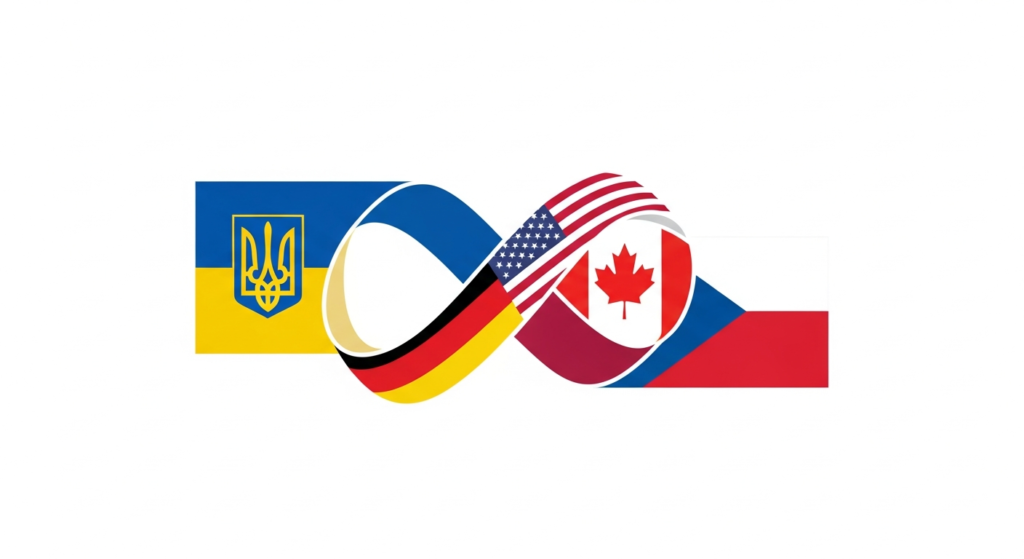
For anyone considering a second passport or planning to keep the one they already hold, the headline is simple: Ukraine now conditionally recognizes dual or multiple nationality. President Volodymyr Zelensky signed the bill on 15 July 2025; six months later, it became an enforceable statute. Crucially, only citizens of an approved list (currently the United States, Canada, Germany, Poland, and the Czech Republic) may retain their original nationality while naturalizing as Ukrainians, or vice versa. Russian citizenship is explicitly barred, and acquiring a passport of any “aggressor state” can trigger automatic loss of Ukrainian nationality.
Individuals navigating Ukraine’s citizenship process may choose to consult an immigration consultancy or citizenship specialist to better understand eligibility requirements, documentation, and current regulations. For example, Bimaris Legal offers full details on their dedicated service page for citizenship of Ukraine.
Why Kyiv Changed Course
The impetus for reform is rooted in war, migration, and simple demographics. After Russia’s full-scale invasion in 2022, millions of Ukrainians relocated to the EU, North America, and beyond. Many integrated so quickly – buying homes, paying taxes, enrolling children in local schools – that their host countries encouraged naturalization. Losing Ukrainian citizenship, however, felt like disloyalty at a time when patriotism was sky-high. Civil-society organizations, the Ukrainian World Congress, and heavyweight allies such as Canada lobbied Kyiv to modernize its outdated stance.
Domestic politics also shifted. Lawmakers came to see dual citizenship not as a security threat but as soft power: dual nationals send remittances, invest in property, and act as unofficial ambassadors.
The bill passed Parliament by 243 votes with tight guardrails aimed at satisfying skeptics, including lists of approved countries, security requirements, and exclusions for civil servants.
Who Actually Qualifies in 2026?
At launch, the scheme applies to a short, strategically chosen roster:
- United States
- Canada
- Germany
- Poland
- Czech Republic
Applicants from these states can declare rather than renounce their existing nationality when petitioning for Ukrainian citizenship. The Ministry of Foreign Affairs will periodically review geopolitical relations and may add more EU or G7 members, but no timetable exists. If your original passport is not on the list, you must still submit proof of renunciation before your Ukrainian certificate of naturalization can be printed.
Special Fast-Track Categories
Even before 2026, Ukraine offered simplified routes for people of Ukrainian heritage and for foreigners who fought in the Armed Forces. Law 4502-IX keeps those doors open and layers dual-citizenship logic on top:
- Ethnic Ukrainians abroad need only prove ancestry up to the second generation and pass the new civics exams.
- Service members who have served at least one year during martial law (or three years in peacetime) may apply without waiting for the usual five-year residency. Spouses and children of fallen soldiers qualify as well.
Because these groups often live in countries on the “approved” list, they can now hold both passports, provided they clear the security checks.
The Application Process, Step by Step
The bureaucracy looks familiar, but the finish line has moved. A typical investor, expat, or diaspora returnee will go through the following stages:
- Ground of eligibility – marriage, descent, military service, or five years’ legal residence.
- Dossier submission – you file at the State Migration Service (SMS), adding a sworn declaration of any other citizenships held.
- Knowledge exams – Ukrainian language, history and constitutional basics. The only total exemption applies to active-duty foreign soldiers; everyone else sits all three tests.
- Security vetting – the SMS and the Security Service of Ukraine (SBU) cross-check criminal, financial and counter-intelligence databases.
- Presidential decree – if cleared, your name appears in the next batch of naturalisation decrees.
- Passport issuance – the moment you take the oath, you are only a Ukrainian national inside Ukraine; duality is recognized abroad but irrelevant to local law.
For Americans, Canadians, Germans, Poles, and Czechs, the new step is wonderfully anticlimactic: instead of a notarized renunciation certificate, they sign a one-page declaration promising to notify Kyiv if they ever shed or acquire an additional nationality.
Wartime Obligations: Read the Small Print
The sweetest carrot comes with a sharp stick. Under martial law, any male Ukrainian citizen aged 18-60 may be drafted, whether he holds one passport or two. A popular workaround, deregistering from your local municipality and registering an overseas address, was eliminated in 2024. In short, if you plan to reside in or even visit Ukraine for extended periods, expect to be treated exactly like any other Ukrainian man.
Another grey zone involves children born abroad. A baby automatically receives the mother’s or father’s approved-list nationality plus Ukrainian citizenship by descent. Yet if that same family later acquires, say, Australian passports, the child will eventually have to choose because Australia is not on the list. Families should strategize early to avoid forcing teenagers into an unwanted renunciation.
Tangible Advantages of a Ukrainian Passport
From an economic standpoint, dual citizenship opens doors on both sides of the border. Ukraine’s passport already allows visa-free or visa-on-arrival entry to more than 130 countries, including almost all of Europe and much of Latin America. Inside Ukraine, only citizens may:
- Own farmland, an asset class foreigners are still barred from.
- Vote and run for municipal or national office, giving investors a voice in local redevelopment decisions.
- Access to public healthcare and free tertiary education, a substantial saving for families relocating from higher-cost systems.
- Avoid deportation: a citizen cannot be expelled except under very narrow international-law exceptions.
Will the Approved List Grow?
Officials signal that the government will review the policy after the first full year of implementation, meaning an update could arrive in early 2027. The Ukrainian government has indicated the approved-country list may be reviewed in the future, but no specific additions have been announced. Kyiv is wary of opening the floodgates too quickly: each addition requires reciprocal legal cooperation, data-protection agreements, and, in wartime, assurances that intelligence-sharing channels remain secure.
Political winds also matter. If a partner state recognizes Russian annexations or weakens sanctions, expect its candidacy to stall.
Healthcare Considerations for Dual Citizens
Obtaining citizenship in another country can affect more than travel and legal status. Individuals and families considering dual citizenship should also evaluate how healthcare access, insurance coverage, prescription medications, and continuity of care may be impacted when living, working, or studying abroad.
Healthcare systems vary significantly between countries, including eligibility requirements for public healthcare programs, access to specialists, preventive care services, and out-of-pocket costs. Families relocating to Ukraine or maintaining residences in multiple countries may benefit from reviewing their health insurance options, securing copies of medical records, and ensuring they have access to any necessary ongoing treatments or medications before making a move.
For older adults, individuals with chronic medical conditions, and families with young children, healthcare planning can be an important part of the overall decision-making process when pursuing dual citizenship or international relocation.
Immigration and citizenship laws can change. Readers should consult official Ukrainian government sources or qualified legal professionals for the most current requirements.
Bottom Line
Yes, Ukraine now allows dual citizenship, but only for nationals of five friendly countries and under strict conditions. Law 4502-IX answers a decades-old plea from the diaspora and modernizes Ukraine’s investment climate, yet it leaves plenty of compliance hurdles: language exams, security checks, potential military service, and a narrow approved list. For foreign investors, expats, and cross-border families, the opportunity is real, but so are the risks. Approach the process with thorough preparation, realistic timelines, and, ideally, expert counsel. The payoff of a resilient legal bridge between two homes can be worth every bureaucratic contortion.
Other Articles You May Find of Interest...
- Where Smelling Salts Are Sold and Why They Require Caution
- Why Vancouver’s Humidity Can Make Leather Seats Sticky—and Why Interior Cleanliness Matters
- Comfort Is a Design Decision: How Profile Shape Changes the Way a Ring Wears
- What’s Inside the Smelling Salts on Every Hockey Bench
- What Fresh Flowers Do for a Room (and a Mood), and How to Keep a Bouquet Alive Twice as Long
- Do Bed Bugs Bleed? The Stains on Your Sheets Explained
- How Shared Meals and Interactive Dining Can Create More Meaningful Social Gatherings




