






More Woundcare Articles
Mupirocin for Cuts: Is It an Effective Treatment Option?
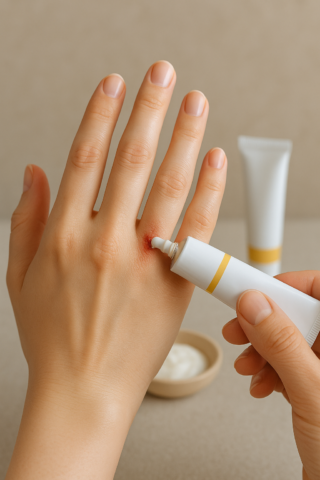
Imagine a scenario where you have a small cut or scrape and you’re considering using an ointment to prevent infection. One question that might arise is, is mupirocin good for cuts? Mupirocin is a topical antibiotic often prescribed for skin infections. But is it the right choice for treating minor cuts and scrapes? Let’s explore its role in wound care and whether it’s the appropriate option.
When is Mupirocin Used?
Mupirocin is typically used for treating certain bacterial skin infections, such as impetigo. It works by stopping the growth of bacteria, making it an excellent choice for certain conditions diagnosed by healthcare providers. However, when it comes to minor cuts and scrapes, it’s important to understand whether mupirocin is necessary.
For most cuts and abrasions that are minor and shallow, over-the-counter antibiotic ointments or simply keeping the wound clean and covered are often sufficient. Mupirocin is usually not needed unless a doctor suspects a specific bacterial infection that needs this targeted antibiotic treatment.
Is Mupirocin Good for Cuts?
When considering the question of is mupirocin good for cuts, it’s important to understand that many minor injuries heal well with basic first aid. This includes cleaning the wound with soap and water and keeping it covered to protect against infection. Reserve mupirocin for situations where a healthcare provider suspects a bacterial infection that specifically responds to this medication.
Potential Risks and Side Effects
Like all medications, mupirocin can have side effects. Some people may experience burning, stinging, or redness at the application site. If these symptoms persist or worsen, it’s crucial to consult a healthcare provider. Rarely, some individuals may experience allergic reactions, which require immediate medical attention.
It’s important to use mupirocin only as directed by a healthcare professional. Overusing topical antibiotics can lead to antibiotic resistance, making bacteria harder to treat in the future.
When to Seek Care
While minor cuts heal on their own with basic care, seeing a healthcare provider is important when:
- The cut shows signs of infection (redness, swelling, increased pain, or pus).
- The cut is deep or won’t stop bleeding.
- You have a fever alongside a wound, suggesting a more serious infection.
In these cases, consulting a healthcare provider can determine the best course of treatment, whether it involves mupirocin or other interventions.
Questions to Ask About Mupirocin
Before starting mupirocin, consider discussing the following with your healthcare provider:
- Is mupirocin necessary for my wound type?
- Are there signs of infection that warrant its use?
- What potential side effects should I watch for?
Your doctor can help determine the most appropriate treatment option for your specific situation, ensuring safe and effective wound management.
Practical Day-to-Day Considerations
In everyday life, it’s crucial to keep wounds clean and watch for infection. If using mupirocin, apply it as directed, typically a small amount on the affected area up to three times a day, unless otherwise instructed by your doctor. Avoid covering large areas with it and seek advice if symptoms persist.
Always complete the full course of antibiotic treatment as advised, even if the wound looks better. This helps prevent bacteria that might not yet be visible from causing future complications.
If you’re interested in learning more about nutrition’s role in healing, check out our article on the importance of a high-protein diet, which can support body recovery.
Takeaways
- Mupirocin is used for specific bacterial skin infections.
- For minor cuts, basic first aid is usually sufficient.
- Use mupirocin only if prescribed by a doctor.
- Be aware of potential side effects and allergic reactions.
- Consult a healthcare provider if signs of infection occur.
Common Questions
When should I see a doctor for a cut?
Seek medical attention if the cut is deep, won’t stop bleeding, shows signs of infection, or if you have a fever.
What type of provider can help with cuts and infections?
A primary care doctor or dermatologist can evaluate and treat cuts, especially if an infection is present or suspected.
How can I prevent cuts from becoming infected?
Clean wounds with soap and water, keep them covered, and monitor for signs of infection. Avoid picking or scratching the wound.
Are there alternatives to mupirocin for cuts?
For minor injuries, over-the-counter antibiotic ointments or proper wound care are often effective. Severe cases should be evaluated for proper treatment.
Where can I find more information on medicines and treatments?
For comprehensive drug information and guidance, visit MedlinePlus Drug Information.
In conclusion, while mupirocin can effectively treat certain skin infections, it may not be the first choice for minor cuts and scrapes. Assess whether basic wound care or professional evaluation is needed in your situation, and consult a healthcare provider to decide if mupirocin is good for cuts in your specific case.
Other Articles You May Find of Interest...
- Why Some Wounds Won’t Heal and Where Hyperbaric Oxygen Therapy Fits In
- Why Home-Based Wound Care Can Improve Comfort and Quality of Life for Patients
- How Long Can Stitches Stay In After Surgery?
- BIASURGE® Advanced Surgical Solution: Uses and Key Considerations
- Antibiotic Ointment on New Piercings: Help or Harm?
- Other Names for Pus, and What Its Color Tells You
- Blue-Green Wound Drainage: A Sign to Act On





