More Gastroenterology Articles
Can Food Poisoning Lead to Sulfur Burps?
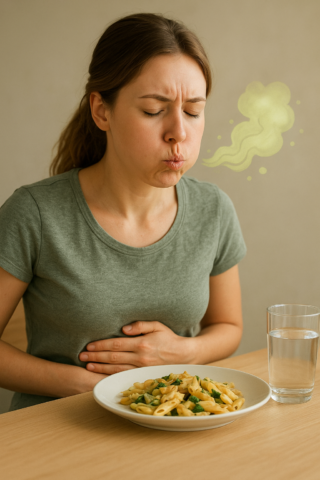
Eating a delicious meal at a favorite restaurant should be an enjoyable experience, not one that leaves you regretting it with unpleasant symptoms. Afterward, if you find yourself experiencing bothersome sulfur burps, it might lead you to wonder: can food poisoning cause sulfur burps?
Sulfur burps, characterized by a rotten egg smell, happen when hydrogen sulfide gas is produced in the digestive system. While it’s a common symptom for various digestive issues, it can lead many to wonder about the link between these symptoms and food poisoning. Let’s explore this connection, the other causes, and what you can do to feel better.
Can Food Poisoning Cause Sulfur Burps?
Food poisoning can indeed lead to sulfur burps. The presence of harmful bacteria, viruses, or parasites in contaminated food can disrupt the digestive process, often leading to the production of gas that contains hydrogen sulfide. This results in the distinct sulfur odor during burping. Alongside burps, food poisoning typically presents other symptoms like nausea, vomiting, diarrhea, abdominal pain, and fever.
The process begins when contaminated food reaches your digestive system. The pathogens present can irritate the gastrointestinal tract, creating an imbalance that affects digestion. As the body attempts to rid itself of the offending microbes, excess gas can form, contributing to those unpleasant burps that can linger far longer than you’d like.
Other Causes of Sulfur Burps
Food poisoning is not the sole cause of sulfur burps. Other common culprits include:
- Dietary Choices: Eating foods high in sulfur, such as onions, garlic, broccoli, and certain meats, can contribute to the development of sulfur burps.
- Digestive Disorders: Conditions like irritable bowel syndrome (IBS), gastroesophageal reflux disease (GERD), and celiac disease can all lead to excessive hydrogen sulfide production. You can learn more about GERD and its symptoms here.
- Medications: Certain medications, especially antibiotics, may alter gut flora and provoke symptoms similar to those seen in food poisoning.
When to Seek Care
If sulfur burps are accompanied by severe symptoms such as persistent vomiting, dehydration, blood in stools, or a high fever, it’s crucial to seek medical attention. These could be signs of a more serious condition that requires a healthcare professional’s assessment. A gastroenterologist, a doctor specializing in the digestive system, can help diagnose and manage such conditions. If your symptoms don’t improve after a few days of self-care, it’s time to consult a healthcare professional for evaluation.
Managing Sulfur Burps From Food Poisoning
Addressing sulfur burps often involves managing the underlying cause or episode of food poisoning. Here are some practical tips:
- Stay hydrated to help your body flush out toxins.
- Eat bland, easy-to-digest foods until your digestive system settles.
- Avoid sulfur-rich foods temporarily to minimize sulfur burps.
- Over-the-counter medications, like antacids or digestive aids, may offer relief but consult a doctor if you’re unsure about which ones to take.
- Avoid dairy products, caffeine, and alcohol, as they can worsen digestive upset.
Practical Solutions for Day-to-Day Life
Experiencing sulfur burps can affect your everyday activities, from social gatherings to work. Here’s how you can minimize their intrusion:
- Dietary Adaptations: Try keeping a food diary to identify triggers that exacerbate symptoms. Reducing intake of known offenders might help.
- Small, Frequent Meals: Eating smaller meals throughout the day can ease the burden on your digestive system, potentially reducing sulfur burps.
- Mindful Eating: Taking your time while eating and chewing thoroughly can improve digestion and reduce gas production.
Medication Concerns: What to Know
If you are prescribed medication for digestive upsets or associated conditions, it’s important to discuss potential effects and interactions with your doctor. For some people, stopping a current medication might be necessary before starting a new one. Side effects like an upset stomach can occur, so it’s essential to monitor your body’s response. If the burps persist or intensify with a new medication, it may suggest the dose needs adjusting, and your doctor can guide you through this process effectively.
Takeaways
- Food poisoning can contribute to sulfur burps alongside other digestive symptoms.
- Avoiding sulfur-rich foods and staying hydrated can minimize discomfort.
- The recurrence of sulfur burps could indicate a more severe condition; consult a gastroenterologist.
- Monitor medications and dietary changes to identify triggers.
- Seek prompt medical care if severe symptoms develop, such as dehydration or blood in stools.
Common Questions
What should I do if I suspect food poisoning as the cause of my sulfur burps?
If you suspect food poisoning, rest, and hydration are key. Monitor your symptoms, and seek medical help if symptoms worsen or persist beyond a few days.
Is there a way to prevent sulfur burps from reoccurring?
Avoiding foods high in sulfur, maintaining a balanced diet, and following any prescribed treatment plans for digestive conditions can help reduce recurrence.
Can sulfur burps signal a more serious underlying condition?
Yes, especially if they’re accompanied by severe symptoms. Conditions like GERD, IBS, or celiac disease are known to cause similar symptoms.
What kind of healthcare provider should I consult for digestive issues?
A gastroenterologist should be consulted for persistent or severe digestive issues, including sulfur burps, as they specialize in diagnosing and treating digestive system disorders.
To learn more about other conditions affecting digestion, you may want to explore symptoms of hemochromatosis in our related article.
In conclusion, can food poisoning cause sulfur burps? Yes, it can, among other potential causes. Listen to your body, maintain a balanced diet, and seek professional guidance when necessary to support your digestive health.
Other Articles You May Find of Interest...
- What First-Time Patients in Singapore May Need to Know About Colonoscopy
- Can Food Poisoning Lead to Sulfur Burps?
- Relieve Acid Reflux Naturally with This Simple Baking Soda Recipe
- What Causes Yellow Diarrhea with a Rotten Egg Smell?
- What Do Twinges in Your Lower Left Abdomen Mean?
- Why Does My Stomach Gurgle and Hurt in the Morning?
- What Do Steatorrhea Stool Images Reveal About Your Health?