More Health & Wellness Tips Articles
Is Protopic a Steroid or a Safe Alternative for Skin Care?
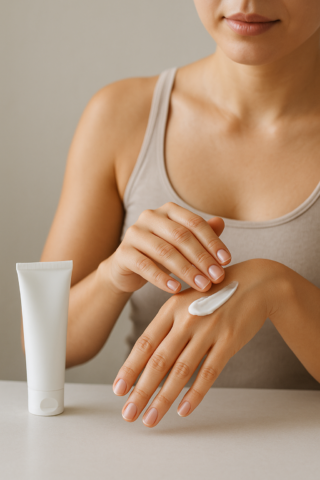
Many people turn to various skin treatments when they develop persistent rashes, eczema, or other skin conditions, and they often encounter Protopic as a possible solution. This raises a common question: is Protopic a steroid? Understanding the classification of Protopic is essential for anyone considering it as an option, especially given the concerns surrounding steroid use on the skin.
Is Protopic a Steroid?
Protopic, known generically as tacrolimus, is an ointment used to treat eczema and other inflammatory skin conditions. Unlike traditional steroids, Protopic is classified as a calcineurin inhibitor. This distinction is critical for patients wary of steroid-related side effects, such as skin thinning or hormonal disruptions, which are not issues with Protopic. Despite not being a steroid, it effectively suppresses immune activity in the skin, reducing inflammation and symptoms.
How Protopic Works and What to Expect
Protopic works by altering the immune response in the skin, which can help calm inflammation and reduce the frequency of eczema flare-ups. Patients using Protopic generally apply a thin layer to the affected areas twice daily. It’s important to note that the ointment can cause a temporary burning sensation, especially during the first few days of use. This sensation often decreases as the skin gets used to the treatment.
Managing Side Effects and Expectations
While Protopic does not cause the classic side effects associated with steroid creams, such as skin thinning, it can cause other reactions. Common side effects might include a slight burning sensation, itching, or redness at the application site. Users should be aware that these reactions are generally mild and transient. However, if side effects persist or worsen, consulting a healthcare provider is advisable.
Practical Tips for Using Protopic
Those prescribed Protopic should avoid exposing treated areas to direct sunlight or tanning beds. Using Protopic may make your skin more sensitive to UV rays. It’s wise to use sunscreen or wear protective clothing when outdoors. Applying the ointment as directed, usually twice a day, and discussing any concerns with a dermatologist can optimize its effectiveness.
When to Seek Care
If symptoms persist despite treatment or if there is concern about side effects, consulting with a dermatologist is essential. These specialists can evaluate whether Protopic is suitable for ongoing use or if alternative therapies might be needed. It’s also important to seek medical advice if new symptoms develop or if there’s uncertainty about the condition being treated.
Questions to Ask Your Doctor
Before starting Protopic, it’s helpful to discuss several key questions with your healthcare provider:
- Are there specific triggers for my eczema that I should avoid?
- How should I balance Protopic with other ongoing treatments?
- What should I do if I experience persistent side effects?
- What are alternative treatments if Protopic does not work?
Impact on Daily Life
Using Protopic may impact your daily routine by necessitating changes in skincare habits or sun exposure. Integrating this medication into your life might require some adaptation, such as applying it consistently or being mindful of sun exposure. Knowing these adjustments can help manage expectations and support effective treatment.
Common Questions
Can I use Protopic with other skin treatments?
Yes, Protopic can sometimes be used alongside other treatments. However, coordinate with your healthcare provider to avoid interactions or reduce effectiveness.
Will I need to stop using Protopic before starting another medication?
In most cases, that’s up to your dermatologist. They will advise if a break or gradual transition between treatments is necessary.
Do I need to worry about long-term side effects with Protopic?
Protopic is generally considered safe for long-term use, but regular check-ins with your healthcare provider ensure it remains effective and safe for your specific needs.
Is Protopic affordable and covered by insurance?
Cost and insurance coverage can vary, so check with your insurance provider and pharmacy to understand your options.
What should I do if my eczema symptoms worsen?
If symptoms worsen, consulting your dermatologist is essential. They can assess whether the treatment plan needs adjustment or if other conditions are present.
Whether you are newly diagnosed with eczema or considering an alternative to steroid creams, knowing the answer to is Protopic a steroid helps inform your approach to treatment. This ointment offers a viable option for those looking to manage skin conditions effectively without the classic drawbacks of steroids.
For more information about medications and their effects, visit MedlinePlus Drug Information.
- Protopic is not a steroid but a calcineurin inhibitor.
- It may cause temporary burning or itching on the skin.
- Avoid direct sunlight on treated areas due to increased sensitivity.
- Consult a dermatologist for persistent or worsening symptoms.
- Using Protopic effectively requires consistent application and careful sun exposure management.
Considering how different lifestyle choices can affect overall health can complement treatment decisions. Learn more about this at lifestyle and health impact.
Other Articles You May Find of Interest...
- How to Recognize the Early Warning Signs of Kidney Disease
- Can Athletes Use Nose Strips During Exercise and Recovery?
- How to Find a Better Time for Your Next Walk Outside
- Enjoying Screens Without Losing Yourself to Them
- Your Body Starts Healing Before the First Incision. Here’s Why That Matters.
- How Clothing Materials Affect Skin Comfort, Heat, and Everyday Health
- Daily Rituals and Stress: Where Astrology and Tarot Fit In