More Dental Health Articles
Tips for Maintaining Results After Orthodontic Care
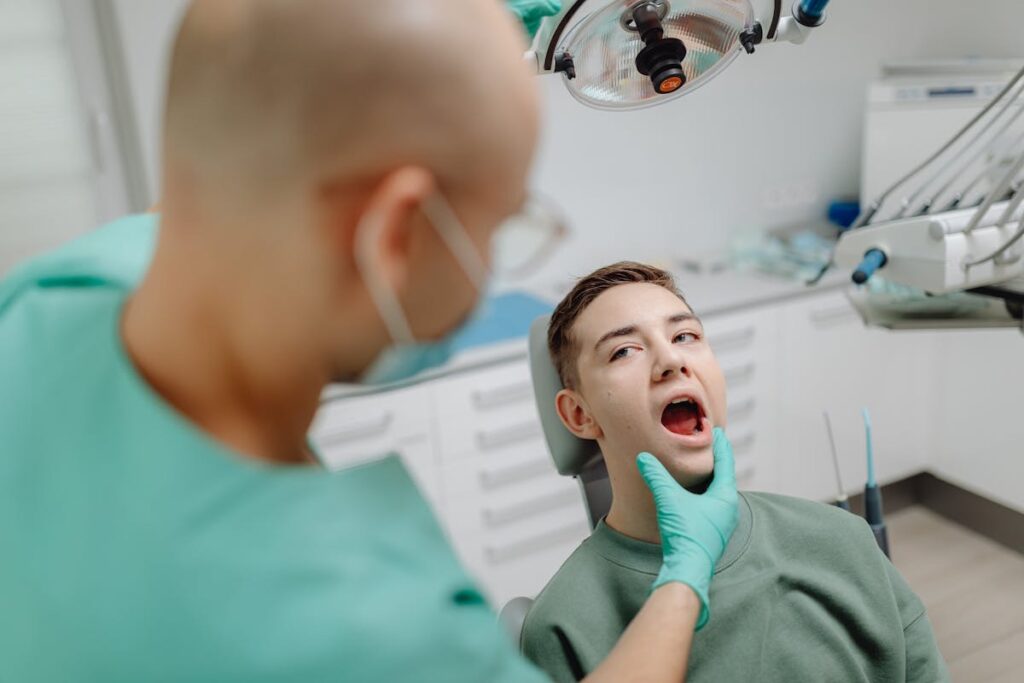
According to the American Association of Orthodontists’ 2024 retention study, approximately 70% of orthodontic patients experience some degree of tooth movement within five years of completing treatment — yet the vast majority of this relapse occurs in patients who don’t consistently follow their retention protocol. As orthodontic technology continues advancing with faster treatment times and more comfortable appliances, the retention phase has become the determining factor between a temporary improvement and a lifelong investment in oral health.
This reality hits hardest for families who’ve already invested thousands of dollars and months or years in active treatment. Consider a teenager who just got their braces removed after two years of careful alignment — within six months of inconsistent retainer wear, those perfectly straight teeth begin shifting back toward their original positions. The stakes extend beyond aesthetics: teeth that move out of alignment can create bite problems, increase cavity risk, and even affect jaw joint function.
Understanding how to protect orthodontic results requires recognizing that treatment doesn’t end when the braces come off. The retention phase demands just as much attention as active treatment, with specific appliances, hygiene protocols, and professional monitoring that many patients underestimate. What follows are the practical strategies that separate patients who maintain their results from those who watch their investment gradually disappear.
Why Long-Term Maintenance Matters After Orthodontic Care
The biological reality behind orthodontic relapse lies in how teeth naturally respond to the forces that moved them during treatment. When braces or aligners shift teeth into new positions, the periodontal ligaments — the tiny fibers connecting teeth to the surrounding bone — stretch and compress to accommodate these changes. Even after active treatment ends, these ligaments retain a “memory” of the original tooth positions and naturally try to pull teeth back toward their starting locations.
Research from the Journal of Clinical Orthodontics demonstrates that this biological tendency continues for at least 10 years after treatment completion, with the highest risk period occurring in the first two years. The process happens gradually, often going unnoticed until significant movement has already occurred. A patient might not realize their lower front teeth have started crowding again until they notice difficulty flossing between them or feel their upper and lower teeth no longer fit together the same way.
The retention phase serves as a bridge between active treatment and the point where teeth stabilize in their new positions. During this critical period, retention appliances apply gentle, consistent pressure to hold teeth in place while the surrounding tissues adapt and strengthen. Without this intervention, the orthodontic forces that created beautiful alignment essentially reverse themselves through natural biological processes.
Beyond preventing relapse, proper maintenance during the retention phase protects the broader oral health improvements that orthodontic treatment provides. Properly aligned teeth are easier to clean effectively, reducing the risk of cavities and gum disease. When teeth shift back toward their original positions, these hygiene benefits diminish, and patients may find themselves dealing with the same oral health challenges that existed before treatment — except now with the added frustration of having experienced better function and appearance.
How Retention Appliances Support Lasting Outcomes
The success of orthodontic retention depends largely on the specific appliances designed to hold teeth in their corrected positions. Unlike the active forces applied during treatment, retention appliances work through passive resistance — they don’t move teeth but prevent unwanted movement by maintaining consistent, gentle contact with tooth surfaces. This approach allows the surrounding tissues to gradually adapt while blocking the natural tendency toward relapse.
Different retention strategies address different types of potential movement. Some appliances focus primarily on maintaining arch width and preventing crowding, while others emphasize bite relationships and the vertical positioning of teeth. The choice between various retention options typically depends on the original orthodontic problem, the patient’s age, and their ability to consistently wear removable appliances.
Removable Retainers and Their Care
Removable retainers remain the most common retention method, offering flexibility and ease of cleaning while providing effective control over tooth movement. The two primary types — clear plastic retainers and wire-and-acrylic retainers — each offer distinct advantages depending on the patient’s specific needs and preferences.
Clear plastic retainers, similar in appearance to aligners, fit snugly over the entire tooth surface and provide comprehensive control over tooth positioning. Their nearly invisible appearance makes them particularly appealing to adults and teenagers concerned about aesthetics. However, they require careful handling and regular replacement, as the plastic material gradually wears down and loses its precise fit over time.
Traditional wire-and-acrylic retainers feature a metal wire across the front teeth connected to an acrylic base that rests against the roof of the mouth or behind the lower teeth. While more noticeable than clear retainers, they’re extremely durable and can be adjusted if minor tooth movement occurs. The cleaning process is straightforward — gentle brushing with a soft toothbrush and soaking in retainer cleaning solution prevents bacteria buildup and maintains freshness.
Regardless of type, removable retainers demand consistent wear to remain effective. Most orthodontists recommend full-time wear for the first several months after treatment, gradually transitioning to nighttime-only wear as teeth stabilize. The key lies in understanding that even one night of skipped wear can allow measurable tooth movement, particularly in the first year after treatment completion.
Fixed Retainers and Mouthguards in Maintenance
Fixed retainers consist of a thin wire bonded to the back surfaces of teeth, typically across the lower front teeth where crowding most commonly recurs. This permanent approach eliminates compliance concerns since patients cannot remove the appliance, making it particularly valuable for individuals who struggled with removable retainer wear during treatment.
The primary advantage of fixed retainers lies in their 24-hour protection against unwanted tooth movement. They’re especially effective at preventing the rotation and crowding that frequently affect lower front teeth in the years following orthodontic treatment. However, they require modifications to oral hygiene routines, as standard flossing becomes impossible without special techniques and tools like floss threaders or water flossers.
For patients involved in contact sports or those who grind their teeth at night, protective mouthguards serve a dual purpose in orthodontic maintenance. Custom-fitted guards not only protect teeth from trauma and grinding forces but can also incorporate retention properties to prevent movement. Night guards are particularly crucial for patients whose teeth-grinding habits contributed to their original orthodontic problems, as these forces can easily overcome retention appliances if left uncontrolled.
The combination of fixed and removable retention often provides the most comprehensive protection. Many orthodontists recommend fixed retainers for the lower front teeth paired with removable retainers for the upper teeth and posterior regions, creating a system that addresses the specific movement tendencies of different tooth groups while accommodating practical considerations like cleaning and speech.
Common Challenges and Patient Compliance in Maintaining Results
The gap between orthodontic success and failure often comes down to patient behavior during the retention phase, when the responsibility shifts from the orthodontist’s adjustments to the patient’s daily choices. Compliance challenges emerge as the primary obstacle to maintaining results, with studies indicating that up to 40% of patients admit to inconsistent retainer wear within the first year after treatment completion.
The psychological transition from active treatment to retention creates unique difficulties. During active treatment, patients see visible progress at regular appointments, reinforcing the importance of cooperation. In contrast, successful retention is measured by the absence of change — teeth that remain properly aligned provide no visible reward for consistent appliance wear. This shift from positive reinforcement to prevention-based thinking challenges many patients’ motivation, particularly adolescents who may view the retention phase as less important than active treatment.
Practical barriers compound compliance challenges in predictable ways. Removable retainers can be lost, broken, or simply forgotten during busy schedules or travel. The appliances may cause temporary speech changes or increased saliva production, leading some patients to remove them during social situations. Others experience discomfort when resuming retainer wear after a period of inconsistent use, creating a cycle where discomfort leads to less wear, which leads to more movement and greater discomfort.
Lifestyle factors significantly impact retention success rates. College students often struggle with consistency as their schedules become less structured and parental oversight decreases. Adults may find nighttime retainer wear disrupted by changes in sleep patterns, travel, or relationship factors. Social drinking can lead to lost retainers, while stress-related teeth grinding can damage appliances or overcome their retention forces.
The concept of “acceptable relapse” creates another challenge in patient education. Some degree of minor settling is normal and expected after orthodontic treatment, but patients often struggle to distinguish between normal changes and problematic movement that requires intervention. This uncertainty can lead to either excessive anxiety over minor changes or dangerous complacency when significant movement begins occurring.
Understanding these challenges allows for more realistic planning and better patient education. Successful retention programs address compliance barriers proactively through clear expectations, backup appliance plans, and regular monitoring that catches problems before they become costly to correct.
Best Practices for Oral Hygiene and Appliance Care After Treatment
Maintaining oral health during the retention phase requires adapting hygiene routines to accommodate new appliances while protecting the investment in orthodontic treatment. Plaque control becomes more challenging with retention appliances, as bacteria can accumulate on and around these devices, potentially leading to cavities, gum inflammation, or unpleasant odors that discourage consistent wear.
For removable retainers, establishing a cleaning routine prevents the bacterial buildup that makes appliances unpleasant to wear. Daily brushing with a soft-bristled toothbrush removes surface debris, while soaking in denture cleaning tablets or specialized retainer solutions eliminates deeper bacterial accumulation. Many patients find that cleaning retainers immediately upon removal makes the process more manageable and prevents dried debris from hardening on the appliance surface.
The temperature sensitivity of retainer materials requires specific care considerations. Hot water can warp plastic retainers, permanently destroying their precise fit, while harsh abrasives can scratch surfaces and create areas where bacteria accumulate more easily. Gentle cleaning with lukewarm water and mild soap provides effective maintenance without damaging the appliance materials.
Fixed retainer maintenance demands modifications to standard flossing techniques, as the bonded wire prevents normal floss passage between teeth. Water flossers effectively remove debris from around fixed appliances, while floss threaders allow traditional floss to pass under the wire for thorough cleaning. Some patients find that interdental brushes — small brushes designed to clean between teeth — provide easier access around fixed retainers than traditional flossing methods.
Dietary considerations during retention focus primarily on protecting appliances from damage rather than the restrictions necessary during active treatment. However, sticky or hard foods can still dislodge fixed retainers or damage removable appliances. Ice chewing, hard candy, and sticky caramels pose particular risks to retention appliances, potentially requiring costly repairs or replacements that interrupt the retention process.
Professional dental cleanings become even more important during the retention phase, as hygienists can clean areas around fixed retainers that patients cannot reach effectively at home. Regular checkups also allow for early detection of appliance problems, such as loose bonds on fixed retainers or wear patterns on removable appliances that suggest the need for replacement.
What Long-Term Follow-Up Looks Like and When to Seek Help
The relationship with professional orthodontic care extends well beyond the day braces are removed, evolving into a monitoring partnership focused on preserving treatment results over time. Retention appointments typically occur more frequently in the first year after treatment completion, with intervals gradually extending as teeth demonstrate stability in their new positions. These visits serve multiple functions beyond simple progress checks — they provide opportunities to address compliance challenges, replace worn appliances, and catch minor problems before they require retreatment.
During retention visits, orthodontists assess tooth stability through visual examination and may use diagnostic records to measure any changes since treatment completion. Small amounts of settling or minor movement are normal and expected, but distinguishing between acceptable changes and problematic relapse requires professional evaluation. Digital photography and periodic dental impressions create objective records that track stability over time, providing clear documentation of whether retention is succeeding.
Warning signs that warrant immediate orthodontic consultation include noticeable spacing between previously closed gaps, crowding in areas that were previously straight, or changes in bite relationships that affect chewing comfort. Patients often notice these changes first when flossing becomes more difficult in previously straight areas or when teeth feel different when biting down. Waiting too long to address these early signs can transform minor adjustments into major retreatment needs.
Appliance problems require prompt attention to prevent interruption of the retention process. Loose or broken fixed retainers should be evaluated within days rather than weeks, as teeth can move surprisingly quickly when retention forces are compromised. Lost or damaged removable retainers similarly demand urgent replacement — even a few days without retention can allow enough movement to make existing retainers uncomfortable or ineffective when wear resumes.
The transition from retention to long-term monitoring varies among individuals, with some patients requiring nighttime retainer wear indefinitely while others achieve sufficient stability to reduce wear frequency. This transition should be guided by professional assessment rather than patient assumption, as premature reduction in retention often leads to movement that could have been prevented. The goal isn’t to eliminate retention entirely but to find the minimum level of intervention that maintains results while fitting practically into the patient’s lifestyle.
Understanding that retention is a lifelong consideration — not a temporary phase — helps set realistic expectations for maintaining orthodontic results. The specific requirements may change over time, but the commitment to protecting the investment in treatment should remain constant throughout adulthood.
Other Articles You May Find of Interest...
- Why Your Teeth May Look Healthy but Still Need Dental Attention
- What Goes Into Developing an Alcohol-Free Mouthwash Beyond the Ingredient List
- 6 Best Dentist Options in Reston, Virginia for Family, Cosmetic, and Emergency Care
- Why Comprehensive Dental Care Matters at Every Stage of Life
- Why Preventive Dental Care Matters at Every Stage of Life
- Colored Braces: A Practical Guide for Teens and Parents in the UAE
- Brushing Teeth for Kids: Secrets to Making Healthy Habits Actually Stick