






More Woundcare Articles
Is Silver Sulfadiazine Cream Safe for Treating Open Wounds?
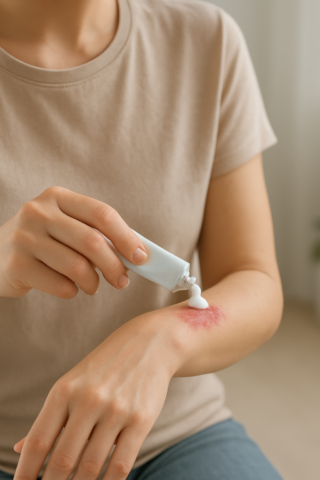
Imagine you have a burn or an open wound, and you’re wondering if you can use silver sulfadiazine cream on it to help with healing and prevent infection. This ponderance is common for many, especially since silver sulfadiazine is often discussed as a treatment for burns. However, is it safe and effective for open wounds in general?
What is Silver Sulfadiazine?
Silver sulfadiazine cream is an antimicrobial agent typically used to prevent and treat infections in burn wounds. Composed of silver nitrate and the antibiotic sulfadiazine, it works by stopping the growth of bacteria. Often prescribed for second and third-degree burns, its effectiveness and safety for other types of wounds are frequently questioned by patients and caregivers alike.
Can You Use Silver Sulfadiazine Cream on an Open Wound?
The question of whether you can use silver sulfadiazine cream on an open wound involves understanding its primary function and approved uses. Generally, it is not recommended for use on minor cuts, scrapes, or smaller wounds unless specifically directed by a healthcare professional. The cream’s potent antibacterial properties are primarily suited for more severe skin injuries like burns, where the risk of infection is notably higher.
How It Works Day-to-Day
When applied to the skin, silver sulfadiazine helps reduce bacterial presence, which is crucial in preventing infection in severe wounds. It is typically applied once or twice daily after gently cleansing the affected area. For those using it on a regular basis, monitoring the skin for any allergic reactions or unusual discoloration is vital. It’s also important to understand that silver sulfadiazine cream should not be used on newborns or infants under two months of age, unless specifically instructed by a healthcare provider.
Potential Side Effects
While silver sulfadiazine is generally well-tolerated, some people may experience side effects. These could include mild itching or a rash where the cream is applied. Serious side effects are rare but can include a decrease in blood cell counts or an allergic reaction. If someone suspects they are experiencing severe reactions, they should seek medical attention promptly.
When to Seek Care
If you have a wound that seems slow to heal or shows signs of infection (such as redness, warmth, or pus), it’s important to consult a healthcare professional. A dermatologist or a wound care specialist can provide guidance on whether silver sulfadiazine or another treatment approach may be suitable for your specific situation. Remember, self-managing without professional advice could lead to complications.
Practical Questions for Your Healthcare Provider
Before using silver sulfadiazine on a wound, it’s crucial to discuss several factors with your healthcare provider. Ask if this treatment is suitable for your type of wound and inquire about potential interactions with other medications you might be taking. Additionally, discussing any history of allergies will help your provider safely prescribe this treatment.
Silver Sulfadiazine in Everyday Life
For those managing chronic skin conditions or caring for someone with significant burn injuries, having reliable treatment options is invaluable. Silver sulfadiazine can be part of an effective wound care strategy, when used correctly. It can improve comfort and prevent infection, thereby assisting in the healing process and aiding in the maintenance of daily living activities.
Despite its advantages, it’s important to weigh the benefits against any risks of adverse effects or improper use. Continuing regular consultations with healthcare providers ensures that the treatment approach remains suitable over time similar to the importance of regular check-ins for managing TMD symptoms from a woman’s perspective.
How to Navigate Using Silver Sulfadiazine with Other Treatments
If you’re using or need to use other topical treatments, it’s wise to consult with your healthcare provider about potential interactions. Generally, it’s advisable to use one primary treatment unless otherwise directed by a doctor. Proper guidance will help avoid situations where treatments might counteract each other or exacerbate side effects.
More details about the intricacies of drug interactions and comprehensive information can be found at MedlinePlus, a reliable resource for understanding drug specifics.
Takeaways
- Silver sulfadiazine cream is primarily used for serious burns, not minor cuts or scrapes.
- Consult a healthcare provider before using it on any open wound.
- Be aware of potential side effects and conduct regular skin checks.
- Do not use on infants under two months without medical advice.
- Consult a professional about using it along with other topical treatments.
Common Questions
What kind of wounds is silver sulfadiazine best suited for?
Silver sulfadiazine is most commonly used for serious burns, particularly second and third-degree burns, due to its strong antimicrobial properties.
Are there any side effects I should be aware of?
Some side effects include itching and rashes at the application site. Rarely, people can experience a serious allergic reaction or a decrease in blood cell counts.
Can I use other topical creams alongside silver sulfadiazine?
Before combining treatments, you should consult with your healthcare provider, as there might be interactions that could reduce the effectiveness of the treatments involved or increase side effects.
When should I stop self-managing my wound and see a doctor?
If your wound does not heal, or if you notice signs of infection such as increased redness, warmth, or pus, it is important to seek medical attention to avoid complications.
Can it be used on children?
It’s generally not recommended for infants under two months, and usage on older children should be guided by a healthcare provider’s advice.
Other Articles You May Find of Interest...
- How Long Can Stitches Stay In After Surgery?
- BIASURGE® Advanced Surgical Solution: Uses and Key Considerations
- Antibiotic Ointment on New Piercings: Help or Harm?
- Other Names for Pus, and What Its Color Tells You
- Blue-Green Wound Drainage: A Sign to Act On
- When Does a Skin Bump Become Something You Should Get Checked?
- A Bleeding Ear Piercing: Normal or Infected?





