






More Woundcare Articles
What Does a Scab with White Around It Mean for Your Skin Health?
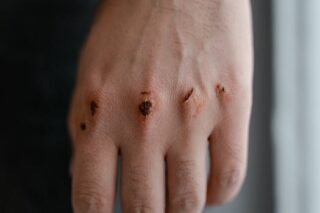
Finding a scab with white around it can be concerning and lead to worry about what’s happening under the skin. Often, people first notice this when a small wound is healing, and a crusty layer forms over it. The white area surrounding the scab can raise questions about infection, healing, or skin reactions. Is it a sign of proper healing, or does it indicate an underlying problem?
Scab with White Around It: Possible Causes
When a scab forms, it’s part of the body’s natural healing process. The scab acts as a protective barrier, preventing bacteria from entering and protecting the injured area. However, the white area that sometimes appears can have several explanations, ranging from normal to something needing attention.
Normal Healing Process
Sometimes, the white area around a scab is simply part of the healing process. As the body works to repair the skin, new tissue, which might appear white, begins to form underneath the scab.
Moisture Retention
If a wound remains too moist, the surrounding skin may appear white and soggy. This can happen when bandages are not changed regularly or if the area is frequently exposed to water.
Possible Infection
While a scab is part of healing, a white halo could occasionally signal infection. Signs of infection include redness, swelling, warmth around the area, and pus drainage. If these symptoms are present, a medical evaluation may be necessary.
When to Seek Care
If your scab shows signs of infection like redness, increased pain, or pus, or if it takes longer than a week or two to heal, it’s time to consult a healthcare professional. A dermatologist or your primary care provider can examine the wound to determine if treatment is needed, such as antibiotics or further wound care management.
Common Questions Around Skin Healing
When dealing with a wound, various concerns may arise about how the scab looks or how quickly it should heal.
Are Some Scabs More Prone to Infection?
Scabs become more prone to infection if picked at or exposed to bacteria. Keeping the area clean and covered helps reduce this risk.
Should Scabs Be Kept Dry?
While it was traditionally thought that scabs should dry out, keeping them slightly moist with an appropriate ointment can actually speed up healing and reduce scarring. Moisture should be balanced to avoid over-saturation.
How Can Lifestyle Choices Impact Healing?
Healthy lifestyle choices, including proper nutrition and exercise, can strengthen the immune system, promoting faster healing. For more details on how lifestyle choices influence health, check out our article on lifestyle’s impact on health.
Can Over-the-Counter Products Help?
Antiseptic creams and ointments can support scab healing, provided they’re used as instructed. Always follow directions and consult with a pharmacist or healthcare provider for guidance tailored to your situation.
How Long Should a Scab Take to Heal?
Most minor scabs heal within a week or two. Larger or deeper wounds might take longer. If healing seems slow or problematic, a healthcare provider can offer advice on care or further investigation.
Preventing Complications
A scab with white around it can usually be managed with proper wound care. Here are some tips for preventing potential complications:
Keep It Clean
Gently clean the wound with water and mild soap to reduce bacteria and promote healing.
Use Appropriate Bandages
Cover the wound with sterile bandages that allow for some airflow to keep a balance of moisture.
Monitor for Changes
Watch for any signs of infection, as early detection can prevent more severe issues. Changes in color, size, or pain levels should prompt a healthcare consultation.
Consult with Healthcare Providers
When in doubt, seek professional advice. Dermatologists specialize in skin, but primary care physicians are also equipped to evaluate and manage minor wounds.
External Resources
For more in-depth information on wound care and managing a scab with a white halo, visit Mayo Clinic. Their resources provide a thorough understanding of healing processes and related skincare advice.
- A scab with white around it might indicate normal healing or excess moisture.
- Warning signs include redness, swelling, or pus that may suggest infection.
- Consult healthcare providers if infection is suspected or healing is unusually slow.
- Keeping wounds clean and properly bandaged helps support recovery.
- Proactive lifestyle choices contribute to effective healing processes.
Common Questions
Why does a scab with white around it form on healing skin?
The white area around a scab can be part of normal healing, indicate moisture, or suggest possible infection, requiring careful observation.
How can wound healing be optimized?
Regular cleaning, proper bandaging, balanced moisture, and avoiding picking at scabs contribute to optimal healing.
When might I need to see a doctor about a scab?
Consult a doctor if the scab shows infection signs, doesn’t improve in a couple of weeks, or if you’re unsure about its appearance.
What are common signs of wound infection?
Key signs include increased redness, warmth, swelling, pain, and pus drainage, indicating a need for professional medical evaluation.
Other Articles You May Find of Interest...
- How Long Can Stitches Stay In After Surgery?
- BIASURGE® Advanced Surgical Solution: Uses and Key Considerations
- Antibiotic Ointment on New Piercings: Help or Harm?
- Other Names for Pus, and What Its Color Tells You
- Blue-Green Wound Drainage: A Sign to Act On
- When Does a Skin Bump Become Something You Should Get Checked?
- A Bleeding Ear Piercing: Normal or Infected?





