More Gastroenterology Articles
What Do Small Chunks of Blood in Stool Indicate for Your Health?
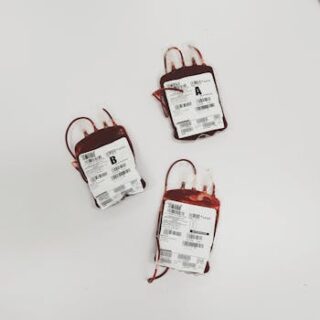
Discovering small chunks of blood in stool can be alarming and confusing. Many people may immediately worry about serious conditions. While it is important to take this symptom seriously, understanding the various potential causes can help ease anxiety and guide you toward the next steps.
Common Causes of Blood in Stool
Small chunks of blood in stool can result from several sources. Hemorrhoids, which are swollen veins in the lower rectum or anus, are a common cause and may accompany pain or discomfort. Anal fissures, or tears in the lining of the anus, can also lead to blood that appears bright red.
Gastrointestinal infections, inflammatory bowel disease (IBD), and colorectal polyps are other potential culprits. Some medications that irritate the stomach lining or alter bowel habits might also result in slight bleeding. For more insight on related gastrointestinal issues, check out this article on recognizing symptoms of hemochromatosis.
Impact on Day-to-Day Life
Signs of blood in stool can cause anxiety, leading people to monitor their symptoms obsessively. It might also affect dietary habits, as some individuals avoid foods they suspect might exacerbate the condition. In more severe cases, it could even lead to changes in social or work activities due to embarrassment or discomfort. Understanding the causes and having open discussions with a healthcare provider can help manage these worries effectively.
Treatment Options and Considerations
The treatment for small chunks of blood in stool largely depends on the underlying cause. For hemorrhoids and anal fissures, over-the-counter creams and warm baths can provide relief. Increasing fiber intake or using stool softeners often alleviates these conditions by preventing constipation.
In cases related to gastrointestinal infections or IBD, physicians may prescribe medications or suggest dietary changes. If polyps are suspect, further endoscopic evaluations might be necessary. It’s crucial to discuss symptoms and treatment adjustments with a healthcare professional to ensure appropriate management based on individual needs.
When to Seek Care
If you notice persistent or large amounts of blood, experience significant pain, dizziness, or changes in bowel habits, it’s time to consult a healthcare professional. A gastroenterologist specializes in diseases of the digestive tract and can evaluate symptoms effectively. They may recommend diagnostic tests, such as a colonoscopy, to determine the precise cause of bleeding.
Medication-Induced Changes
Sometimes, medications like non-steroidal anti-inflammatory drugs (NSAIDs) may contribute to gastrointestinal bleeding. If you’re taking such medications and notice changes in your stool, discuss this with your doctor. Never stop a medication abruptly without professional guidance. Your healthcare provider may explore alternative treatments or adjust your dosage to prevent adverse effects.
A Healthy Outlook on Prevention
An essential part of preventing digestive issues includes maintaining a high-fiber diet, staying hydrated, and exercising regularly. These habits promote digestive health and reduce the likelihood of constipation, a common culprit in hemorrhoid development. If specific foods or activities seem to trigger symptoms, consider keeping a symptom diary and sharing it with your healthcare provider.
For comprehensive information on maintaining digestive health, visit the Cleveland Clinic’s guide on digestive health.
Takeaways
- Small chunks of blood in stool can have various benign or serious causes.
- Hemorrhoids and anal fissures are common culprits.
- Persistent symptoms warrant a consultation with a healthcare provider.
- Maintaining a healthy lifestyle supports digestive health and prevention.
- Medication-related symptoms should be discussed with a doctor.
Common Questions
When should I consult a doctor for blood in stool?
If you experience persistent bleeding, significant pain, or changes in bowel habits, seek medical advice promptly. These could be signs of a more serious condition requiring evaluation.
What types of healthcare providers treat blood in stool?
Gastroenterologists are specialists who handle conditions related to the digestive tract and can guide diagnosis and treatment options.
Can diet help prevent blood in stool?
Yes, a diet rich in fiber can help prevent constipation and reduce the risk of hemorrhoids. Staying hydrated and active also supports overall digestive health.
Are small chunks of blood in stool always a cause for concern?
Not necessarily, but it’s essential to observe additional symptoms. If uncertain, discussing your situation with a healthcare provider can determine the necessary steps.
Can medications cause blood in stool?
Some medications, especially those irritating the gastrointestinal tract, can lead to bleeding. Always review such concerns with your healthcare provider, who can advise on safe usage or alternative treatments.
Finally, remember that evaluating small chunks of blood in stool early with professional guidance often leads to effective treatment and peace of mind.
Other Articles You May Find of Interest...
- Managing Diuretics: Understanding the Risks of Hypokalemia
- Is Long-Term Use of Pepcid Safe for Your Health?
- Can Senna Relieve Bloating and Improve Digestive Health?
- What Causes Burning Green Diarrhea and How to Find Relief?
- What Does Your Stomach Growling Really Mean?
- Essential Tips for Safely Using Mesalamine: What You Should Avoid
- What Causes Stomach Gurgling and Burning?