






More Allergy, Asthma & Infectious Disease Articles
Why Do I Feel Feverish When My Temperature Is Normal?
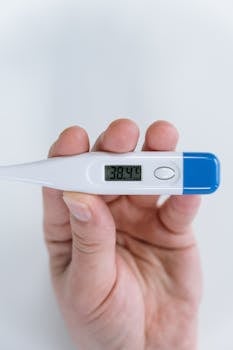
Imagine this: You’ve been feeling off all day, your skin feels warm, and you’re convinced you must have a fever. However, when you check your temperature, the reading is perfectly normal. This is a common experience where people feel like they have fever but their temperature is normal. So, what’s going on?
Why Do You Feel Feverish Without a Fever?
Several factors can contribute to feeling feverish without a fever. One of the most frequent causes is an underlying infection that hasn’t fully manifested into a fever. Stress and anxiety can also make you feel warm and flushed. Hormonal changes, such as those during menopause or due to thyroid issues, can cause similar sensations.
Dehydration is another potential cause; when your body lacks adequate fluids, it can mimic the symptoms of a fever. Physical exertion without proper hydration or cooling down can similarly make you feel hot even though you’re not technically running a fever.
What If You Feel Feverish But Have No Temperature?
For some individuals, feeling feverish but without an actual increase in temperature is linked to chronic fatigue syndrome or fibromyalgia. Conditions that affect your nervous system can also alter how your body perceives temperature changes. Moreover, certain medications might cause you to feel warmer than usual as a side effect.
It’s essential to consider potential allergens and dietary influences. Sometimes, consuming spicy foods or stimulants like caffeine can also lead to sensations of warmth without a fever.
When to Seek Care
If you consistently feel like you have a fever but don’t, evaluate whether other symptoms are present. Pay attention to signs such as persistent fatigue, unexplained weight loss, or an irregular heartbeat. It might be time to see a healthcare provider, especially if these feelings impact your daily life. General practitioners or internal medicine doctors can help determine the cause and suggest appropriate tests or treatments.
Daily Life and Feeling Feverish
Feeling feverish without a fever can be disruptive. It can affect concentration, sleep, and even your mood. Social events, workdays, and family time might suffer as you try to manage the discomfort. Monitoring lifestyle habits is valuable. Consider reducing stress and maintaining a balanced diet, which may support overall well-being. Making healthy lifestyle choices can impact how you feel day-to-day. Explore more on this at this link.
Could Your Medication be the Culprit?
Certain medications, particularly those affecting the neurological or hormonal systems, can cause sensations of warmth. If you changed medications recently or started a new prescription, this might be worth discussing with your pharmacist or doctor. Sometimes, gradually tapering off a medication under medical supervision is necessary before the symptoms resolve. Always consult a health professional before making any changes to your prescribed medication.
Takeaways
- Feeling feverish does not always mean you have a fever.
- Common causes include stress, hormonal changes, and medication side effects.
- Consistent symptoms should be evaluated by a healthcare provider.
- Maintaining a healthy lifestyle may help manage symptoms.
- Consult your physician if you notice unusual accompanying symptoms.
Common Questions
When should you see a doctor?
You should see a doctor if you consistently feel feverish and it’s impacting your daily activities or if it is accompanied by symptoms like unexplained weight loss, fatigue, or rapid heartbeats.
What type of healthcare provider should you consult?
A general practitioner or an internist is a good starting point for evaluating why you feel feverish without a fever. They can conduct necessary tests or refer you to specialists if needed.
What are common non-fever causes of feeling warm?
Common causes include stress and anxiety, dehydration, ovulation, menopause, hyperthyroidism, or side effects from medication. It’s essential to consider lifestyle factors like diet and hydration as well.
How can feeling feverish affect your life?
It might interfere with focus and productivity at work or school, disturb your sleep, and affect your social life if you feel uncomfortable in gatherings. Monitoring and altering lifestyle factors can often help manage the sensation.
If you feel like you have fever but your temperature is normal, exploring these various conditions with your healthcare provider could provide clarity. Remember that adjusting lifestyle factors can also contribute to feeling better overall. For more insights on maintaining health, you might find resources from the MedlinePlus helpful.
Other Articles You May Find of Interest...
- Does Desloratadine Cause Drowsiness? Explore the Facts
- Could Taking Flagyl Lead to Thrush?
- Exploring Allegra: Its Uses and Alternative Names in Allergy Relief
- Is Zyvox Effective for Treating UTIs? Discover the Facts
- Optimal Timing for Taking Singulair to Maximize Its Benefits
- Maximize Allergy Relief: Discover the Best Time to Take Xyzal
- Exploring the Role of Flagyl in Treating Urinary Tract Infections



