
District Podiatry, PLLC
1140 Varnum Street NE
Suite #30
Washington, DC 20017
202-388-5303
More Podiatry Foot Care Articles
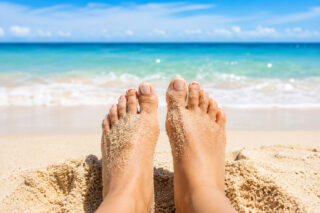
Beach Feet
How To Protect Your Feet and Stay Active All Summer Long
Summer means sandals, swimming pools, beach vacations, water parks, and long days outdoors. While most people focus on sunscreen and hydration, foot health is often overlooked. Unfortunately, summer activities can expose your feet to bacteria, fungi, injuries, and painful skin conditions that can quickly ruin the season.
From hot sand and public showers to flip-flops and wet shoes, your feet work hard during the summer months. Taking a few preventive steps can help keep them healthy, comfortable, and ready for every adventure.
One of the most common summer foot problems is fungal infection, especially athlete’s foot. Warm, damp environments such as swimming pool decks, locker rooms, public showers, and water parks are ideal places for fungus to spread. Walking barefoot in these areas increases the risk of developing itchy, peeling, or burning skin between the toes and on the soles of the feet.
Wearing protective aqua shoes or waterproof sandals in public wet areas is one of the easiest ways to reduce exposure. Aqua shoes are especially useful because they protect feet from hot surfaces, rough pool bottoms, sharp shells, and slippery areas while helping prevent cuts and scrapes.
Summer footwear can also create problems. Flip-flops may be convenient, but they often provide little support or protection. Wearing unsupportive shoes for long periods can contribute to heel pain, arch strain, tendon irritation, and even lower back discomfort. After long days at amusement parks, festivals, or beaches, many people notice aching feet and sore legs.
Supportive sandals with arch support and cushioned soles are a healthier choice for all-day wear. Shoes that fit properly and allow airflow can also help prevent blisters and excessive sweating.
Another common summer issue is cracked heels and dry skin. Sand, saltwater, chlorine, and sun exposure can dry out the feet quickly. Cracked skin may become painful and can allow bacteria to enter and cause infection.
To help keep feet healthy during summer:
- Wash and dry feet thoroughly every day
- Moisturize heels and soles regularly
- Change out of wet shoes and socks promptly
- Use antifungal powder if feet sweat heavily
- Avoid sharing towels or footwear
- Check feet regularly for cuts, redness, or irritation
People with diabetes or circulation problems should be especially cautious. Even small cuts, blisters, or burns from hot pavement can become serious if not treated quickly. Protective footwear is essential during all summer activities.
Children are also more vulnerable to summer foot injuries. Running barefoot around pools, playgrounds, and beaches increases the risk of burns, splinters, cuts, and infections. Lightweight water shoes can provide important protection while still allowing kids to enjoy outdoor fun.
Healthy feet make summer activities safer, more comfortable, and far more enjoyable. A little prevention now can help keep you active all season long.
Other Articles You May Find of Interest...
- Style Should Not Hurt: Finding Shoes That Fit Your Feet
- When Sinus Tarsi Syndrome Requires Surgery
- How to Help a Broken Toe Heal as Quickly and Safely as Possible
- When a Doctor Recommends Arch Support: What to Expect
- Swelling on the Bottom of Your Foot: Causes to Consider
- When Plantar Fasciitis Won’t Settle: A Podiatrist’s Treatment Options For Stubborn Heel Pain
- The ACV and Baking Soda Foot Soak: What It Does