






Your Health Magazine
4201 Northview Drive
Suite #102
Bowie, MD 20716
301-805-6805
More Home Care & Wellness Products Articles
From Damp to Dry: A Practical Approach to Tackling Mold
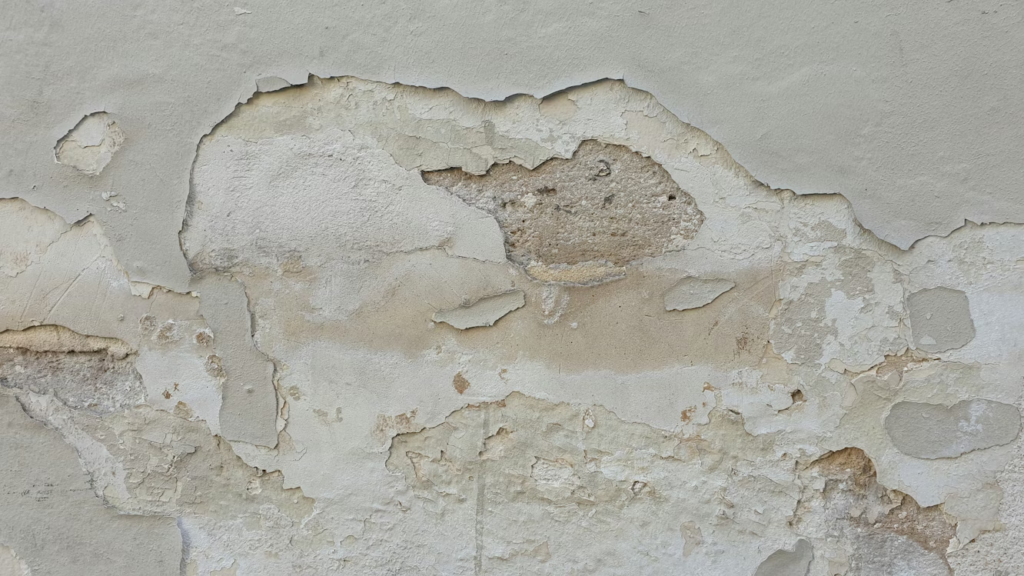
Got a damp patch on the wall that just won’t go away?
That black spot in the corner of your bathroom? It’s not just unsightly. It’s the beginning of a major property restoration issue that could end up costing you thousands down the road. You can prevent this with a few simple steps.
- Spot mold before it spreads
- Dry out problem areas
- Stop it from coming back
Here is how to do it…
What you’ll learn:
- Why Mold Is Such A Big Deal
- How To Find The Hidden Damp
- The Step-By-Step Drying Process
- When To Call In The Pros
Why Mold Is Such A Big Deal
Mold can be deceptive. It hides behind walls, underneath floors, and in places you would never imagine.
Plus, it’s actually extremely prevalent. Did you know that nearly half of all homes in the US (47%) are affected by mold and dampness? When you look at it like that, that’s a huge percentage of houses.
But it’s not just about ugly stains on the ceiling…
Mold can cause asthma attacks, allergic reactions, and gross indoor air quality. In fact, 21% of asthma cases in the United States can be linked to exposure to dampness and mold at home. That translates to about 4.6 million people! Those are a lot of easily avoidable illnesses.
Especially if you live in a moist climate such as Florida. Hot humid air is mold’s best friend. That is why professional mold remediation Tampa that Florida residents recommend, is key to proper property restoration. The quicker you address the problem, the happier your home and family will be.
On top of everything else, it’s frightening from a monetary standpoint as well. Mold can decrease the value of your home by 20-37% when buyers find it during their inspection. Tens of thousands of dollars can disappear overnight.
Quick recap on why mold matters:
- It harms your health
- It destroys your property
- It tanks your home value
- It spreads fast if ignored
Pretty serious, right?
Now let’s look at how to find it before it gets out of hand.
How To Find The Hidden Damp
The average person doesn’t realize they have a mold problem until it’s already out of control. By this time it has likely spread unseen.
The trick is to know where to look. Mold needs three things to grow:
- Moisture
- A food source (like wood or drywall)
- Warm temperatures
Your home is full of all three, especially in certain spots.
Common Hiding Places
Begin searching in the wettest rooms first. The largest are:
- Bathrooms — around tubs, showers, and under sinks
- Kitchens — behind the fridge, around the dishwasher
- Basements — they’re naturally damp and dark
- Laundry rooms — washing machines leak more than you’d think
- Attics — roof leaks often go undetected for months
Inspect these areas closely. You may notice dark spots on walls or ceilings. Smell musty odors. Rooms that always smell stale or humid may also indicate a problem.
The Tools That Help
There’s no need for high-tech equipment to locate mold…. However, there are a couple of items that help:
- A moisture meter — tells you precisely how wet a wall/floor is
- A flashlight — because mold loves dark corners
- A hygrometer — measures the humidity in each room
The humidity indoors should be less than 50%. If it’s above 50% you have a mold friendly environment with or without visible mold.
The Step-By-Step Drying Process
After locating the moisture you want to dry out the area. That’s where most people make a mistake. They go and wipe it down then no mold is seen so they consider the job done.
But here’s the kicker…
The mold beneath the surface continues to grow. The entire area from top to bottom must be dried out before any repair will hold.
Step 1: Stop The Water
If water keeps entering an area, you will never dry it out. Locate where it’s coming from first.
It might be:
- A leaky pipe
- A broken roof tile
- A cracked window seal
- High indoor humidity
Fix that source before doing anything else. Otherwise you’re just wasting your time.
Step 2: Pull Out The Wet Stuff
Anything soaked has to go. That includes:
- Wet drywall
- Soggy carpet
- Damp insulation
- Water-logged wood
They retain moisture forever and promote mold growth. Every year mold rots more wood than fire and termites combined. Wild, right?
Bag everything up, seal it tight, and toss it.
Step 3: Dry The Area Out
Paint removal area. It’s time to work. Completely dry the area prior to reassembling. You will need:
- Industrial fans — to keep air flowing
- Dehumidifiers — to pull moisture from the air
- Heaters — to speed up evaporation in cold rooms
Leave them on 24/7 for at least 3-5 days. Monitor the area with your moisture meter every day. Continue until the readings return to normal.
Step 4: Clean And Treat The Surface
Now spray down for any remaining spores. Prepare a cleaning solution of detergent and water. Scrub the affected areas. Follow up with an antimicrobial spray to prevent new growth.
See the complete property renovation blog for more in-depth information on this stage.
When To Call In The Pros
Certain mold removal jobs are beyond DIY. Understanding when to step back and hire a professional may save you thousands of dollars.
You should call a pro if:
- The mold patch is bigger than 10 square feet
- It’s inside walls, vents, or HVAC systems
- Anyone in the house has breathing problems
- The flooding came from sewage or dirty water
Pros have the equipment, training and protective gear to do large jobs without contaminating your home with spores. They can also identify hidden mold.
The cost is worth it. The longer you wait, the more damage builds up.
Final Thoughts
The longer you wait to treat mold, the worse the problem will get. However, you can regain control of your home with the correct steps.
To quickly recap what to do:
- Spot the damp early
- Stop the water source
- Dry the area out properly
- Clean every affected surface
- Call a pro when the job is too big
Stick to the basics, act fast, and your home will thank you for it.
Other Articles You May Find of Interest...
- From Damp to Dry: A Practical Approach to Tackling Mold
- Must Have Kitchen Tools for Food Safety
- Discover the Benefits of Tubi Grips for Effective Health Support
- Best Safe Fragrance Oils for Diffusers in 2026: Lephrone, Vitruvi, Plant Therapy, Edens Garden, and Rocky Mountain Oils
- Simple Lifestyle Changes That Support a Healthier Living Environment
- How Your Living Environment Impacts Long Term Health and Well Being
- 30kWh Battery Guide: How Home Battery Systems Protect Households During Power Outages




