






More Dental Health Articles
How Modern Endodontics in Marietta Makes Treatment Comfortable
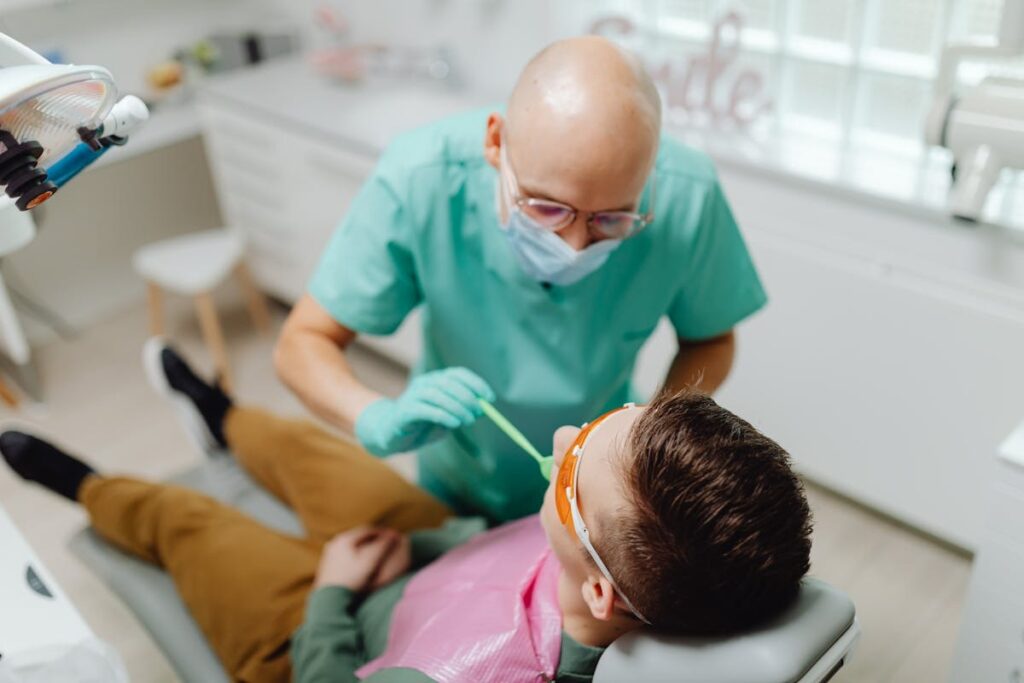
The phrase “root canal” still makes many people wince, despite decades of advancement in dental pain management. According to the American Association of Endodontists’ 2023 patient survey, nearly 60% of patients report significant anxiety before their first endodontic procedure — yet those who’ve actually undergone modern root canal therapy describe the experience as far more comfortable than anticipated. This perception gap highlights how quickly endodontic technology has evolved, particularly in cities like Marietta where specialized practices have embraced cutting-edge approaches to patient comfort.
What’s driving this transformation isn’t just better anesthesia, though that plays a role. The real breakthrough lies in precision imaging that eliminates guesswork, minimally invasive instruments that preserve healthy tissue, and infection control protocols that prevent the complications that once made endodontic treatment lengthy and unpredictable. For patients facing the prospect of root canal therapy, understanding these advances can shift the entire treatment experience from something to endure to something that genuinely preserves both comfort and long-term oral health.
How Modern Imaging Advances Improve Endodontic Care
Traditional dental X-rays revealed shadows and shapes, leaving endodontists to interpret root anatomy through educated guesswork. Today’s cone beam computed tomography (CBCT) imaging changes that equation entirely. This three-dimensional scanning technology allows practitioners to see exactly how many canals exist within a tooth, where they curve, and whether any anatomical surprises await before treatment even begins.
The practical impact on patient comfort is immediate. When an endodontist can map the precise pathway through a tooth’s root system beforehand, procedures become more predictable and typically shorter. CBCT imaging reveals details invisible to conventional X-rays — like the extra canal that exists in about 30% of upper first molars, according to endodontic anatomy studies. Finding and treating these hidden canals during the initial procedure prevents the need for retreatment later.
Electronic apex locators represent another leap forward in diagnostic precision. These devices measure the exact length of each root canal electronically, eliminating much of the trial-and-error that once characterized root length determination. The result is more accurate cleaning and filling of the canal space, with fewer X-rays needed during treatment and less chance of post-operative discomfort from over-instrumentation.
Perhaps most importantly for anxious patients, this enhanced precision means endodontists can explain exactly what to expect before treatment begins. When imaging reveals a straightforward case with clearly defined anatomy, patients receive realistic timeframes and comfort expectations. Complex cases are identified early, allowing for appropriate planning and pain management strategies tailored to the specific challenges ahead.
What Advances in Anesthesia and Sedation Reduce Treatment Pain
New Anesthesia Techniques for Effective Pain Control
Modern local anesthesia has moved far beyond the standard lidocaine injection that patients remember from decades past. Articaine, a newer anesthetic agent, provides more reliable profound numbness in areas where traditional anesthetics sometimes fall short — particularly in inflamed tissues where infection can reduce the effectiveness of pain control.
The delivery methods have evolved just as dramatically. Computer-controlled anesthetic delivery systems regulate injection pressure and flow rate, eliminating the sharp pressure sensation that many patients associate with getting numb. These systems inject anesthetic at body temperature and at optimal speeds, reducing the stinging and pressure that can make even the numbing process uncomfortable.
Intraosseous anesthesia offers another breakthrough for cases where conventional injection techniques prove inadequate. This approach delivers anesthetic directly into the bone surrounding the affected tooth, providing immediate and profound numbness even when inflammation or anatomical factors complicate standard nerve blocks. For patients who’ve experienced inadequate numbness during previous dental procedures, these supplemental techniques can transform the entire experience.
Safe Sedation Options to Calm Anxious Patients
Conscious sedation has become increasingly refined and accessible for endodontic procedures. Nitrous oxide remains the most common option — a safe, reversible method that reduces anxiety without requiring extensive preparation or recovery time. Patients remain fully responsive and can drive themselves home afterward, making it practical for working adults who can’t afford significant downtime.
For patients with more severe dental anxiety, oral sedation provides deeper relaxation while maintaining safety margins that allow treatment in a standard office setting. These medications, typically taken about an hour before the procedure, create a twilight state where patients remain conscious but feel detached from the treatment process.
The key advancement isn’t just the sedation options themselves, but how practitioners now match sedation levels to individual patient needs. A comprehensive anxiety assessment helps determine whether mild relaxation will suffice or whether deeper sedation will make the difference between a tolerable and genuinely comfortable experience.
How Minimally Invasive Techniques Enhance Comfort and Healing
Use of Microscopes and Ultrasonic Tools for Precision
Operating microscopes have revolutionized endodontic precision by providing up to 25x magnification of the treatment area. This enhanced visualization allows endodontists to work through smaller access openings while achieving more thorough cleaning of the canal system. The practical benefit for patients is twofold: less healthy tooth structure gets removed during access, and the increased precision reduces the likelihood of missed canals or incomplete cleaning that could necessitate retreatment.
Ultrasonic instruments complement this precision by removing infected tissue and calcified deposits with minimal vibration and heat generation. Unlike traditional hand instruments that require significant pressure and manipulation, ultrasonic tips can gently remove obstructions and clean irregular canal spaces without the mechanical stress that once made endodontic procedures more traumatic to surrounding tissues.
The combination creates a treatment environment where endodontists can accomplish more thorough cleaning with less aggressive techniques. Patients typically experience less post-operative discomfort when healthy tissue remains undisturbed and when the precision instruments eliminate the need for extensive manipulation within the tooth.
Modern Instrumentation Systems for Gentle Root Canal Shaping
Rotary and reciprocating instrument systems have replaced much of the hand filing that characterized root canal procedures for generations. These engine-driven instruments clean and shape canals more efficiently while maintaining the natural anatomy of the root system. The result is more predictable healing and reduced post-operative sensitivity.
Adaptive motion technology represents the latest evolution in canal preparation. These systems automatically adjust their movement patterns based on the resistance they encounter within each canal, reducing the risk of instrument separation and minimizing the stress placed on the tooth structure during cleaning. For patients, this translates to smoother procedures and fewer complications that could extend treatment time or require additional appointments.
The materials science behind these instruments continues advancing as well. Heat-treated nickel-titanium instruments maintain their flexibility while providing superior cutting efficiency, allowing endodontists to navigate curved canals that once posed significant challenges. When treatment becomes more predictable and less technically demanding, both practitioner confidence and patient comfort improve substantially.
How Infection Control and Retreatment Strategies Prevent Discomfort
Modern endodontic success depends heavily on creating and maintaining a sterile environment throughout treatment. Rubber dam isolation, now standard practice, prevents bacterial contamination from saliva while protecting patients from irrigating solutions and debris. This simple barrier dramatically improves treatment outcomes by ensuring that cleaned canals don’t become reinfected during the procedure itself.
Advanced irrigation protocols using sodium hypochlorite and EDTA solutions eliminate bacteria and dissolve organic debris more effectively than ever before. These chemical disinfectants reach areas that instruments cannot, particularly in the complex anatomical spaces where bacteria typically persist. When practitioners seeking professional endodontic care implement these protocols consistently, patients experience fewer post-operative complications and more predictable healing.
Biocompatible filling materials have evolved to seal canal systems more completely while integrating better with natural tooth structure. Modern obturation techniques using thermoplasticized gutta-percha create three-dimensional seals that prevent bacterial reentry — the primary cause of endodontic failure and the need for retreatment.
Perhaps most importantly for patient comfort, these advances in infection control have dramatically reduced the likelihood that a tooth will require retreatment. When endodontic therapy succeeds the first time, patients avoid the disappointment and additional discomfort of repeated procedures. Contemporary retreatment protocols, when necessary, benefit from the same technological advances that make primary treatment more comfortable and predictable.
What Specialized Endodontic Procedures Save Difficult Teeth
Complex endodontic cases that once meant certain extraction now have viable treatment options that preserve natural teeth. Apexification procedures allow endodontists to save immature permanent teeth with damaged or infected pulps — typically the result of trauma in children and adolescents. By creating an artificial barrier at the root tip and promoting continued root development, these techniques avoid premature tooth loss during critical developmental years.
Surgical endodontics, including apicoectomy procedures, addresses cases where conventional root canal therapy cannot resolve persistent infections. Modern surgical techniques using ultrasonic instruments and microscopic visualization allow for precise removal of infected tissue while preserving maximum root length. These procedures, once considered last resorts with uncertain outcomes, now offer predictable success rates that make them viable alternatives to extraction and implant placement.
Cracked tooth syndrome presents one of endodontics’ most challenging diagnostic and treatment scenarios. Advanced imaging helps identify crack patterns that determine whether a tooth can be saved through root canal therapy combined with appropriate restoration, or whether extraction becomes inevitable. When treatment can preserve these compromised teeth, patients avoid the time, expense, and complexity of tooth replacement procedures.
The evolution of regenerative endodontics offers perhaps the most exciting development for complex cases. These biological approaches attempt to regenerate pulp tissue in infected immature teeth, potentially allowing normal root development to continue after successful disinfection. While still emerging, these techniques represent a fundamental shift from simply filling empty canals to actually restoring tooth vitality — a development that could redefine what’s possible in endodontic treatment within the coming decade.
Other Articles You May Find of Interest...
- What You Need to Know About Absceso Dental and Its Impact on Oral Health
- Recognizing Symptoms of Tooth Infection That May Spread to the Neck
- Identifying the Signs of Blood Infection from a Tooth Issue
- Recognizing the Symptoms of a Tooth Infection Spreading
- Recognizing the Alarming Symptoms of Tooth Infection Spreading to Your Body
- Understanding Crown Lengthening
- Minimally Invasive Dentistry Using The Bioclear Method



