






More Integrative Medicine Articles
The Importance of ETCO2 Monitoring in Respiratory Health
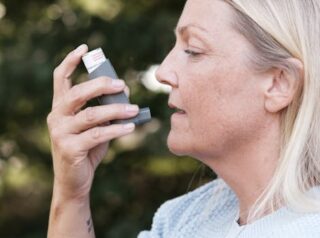
Imagine you’re feeling breathless during a casual walk or experiencing shallow breathing after climbing a flight of stairs. These might seem like common occurrences, but they could indicate issues with your respiratory system that need attention. One way to monitor these subtle signs of respiratory function is by using ETCO2 (End-Tidal Carbon Dioxide) monitoring. This tool doesn’t just belong in a hospital setting anymore; it’s finding its place in various health monitoring practices, especially for those with respiratory conditions.
ETCO2 in Respiratory Monitoring
ETCO2 refers to the measurement of carbon dioxide levels in exhaled air at the end of expiration. This metric is crucial in understanding how well your body is ventilating. In clinical settings, ETCO2 monitoring helps detect hypoventilation, rapid breathing, and potential blockages in airways. By understanding ETCO2 levels, healthcare providers can make informed decisions about ventilatory support and adjust treatments accordingly.
For many, understanding their ETCO2 levels can be a game-changer. Regular monitoring may assist those with chronic respiratory conditions, such as COPD or asthma, in managing their symptoms and optimizing treatment plans. The use of portable ETCO2 monitors allows individuals to keep track of their respiratory health from the comfort of their home.
Everyday Impact of ETCO2 Monitoring
The ability to monitor ETCO2 levels can have a profound effect on daily life, particularly for individuals with respiratory illnesses. By tracking these levels, patients can gain insights into how activities affect their breathing, perhaps influencing choices around exercise or when to seek medical advice. With these insights, individuals can take a proactive approach to their health, potentially avoiding exacerbations or hospital visits.
Moreover, caregivers and healthcare providers can utilize ETCO2 data to personalize medical advice and interventions. This personalization can enhance the quality of care and ensure that any changes in a patient’s condition are detected early, thus minimizing complications.
ETCO2 Monitoring: What to Expect
Monitoring ETCO2 levels is generally non-invasive and straightforward, often involving a small sensor placed in or around the nostrils. This ease of use allows it to be readily integrated into routine checks for patients at home or in medical facilities. However, understanding the data requires some familiarity with what different values might imply for your health status.
Normal ETCO2 levels usually range between 35 and 45 mmHg. Values outside this range can indicate respiratory distress or imbalances. It’s essential to regularly consult with healthcare professionals to interpret these readings accurately and make any necessary adjustments to treatment plans.
Before embarking on ETCO2 monitoring at home, it’s wise to discuss with a healthcare provider whether this tool could benefit your specific condition. Setting up the device correctly and interpreting data should be done with professional guidance to maximize its benefits.
When to Seek Care
If you find yourself feeling more fatigued than usual after mild activity or experience significant changes in your breathing patterns, consider seeking medical advice. Additionally, if ETCO2 levels consistently fall outside the normal range, a healthcare provider’s input is necessary. Pulmonologists, respiratory therapists, and general practitioners are often well-equipped to guide you through understanding and managing changes in your respiratory health.
Ignoring symptoms or anomalies in ETCO2 readings can lead to unnecessary health complications. Therefore, timely consultation with a healthcare professional can help mitigate risks and stabilize your condition.
Questions About Medication and ETCO2
When incorporating ETCO2 monitoring alongside your medication regimen, certain questions might arise. For instance, understanding how a new medication can affect your ETCO2 levels is crucial. Discuss with your doctor how your medications might interact with each other and how they could influence your respiratory metrics. Adjustments in medication might be necessary if ETCO2 readings suggest inadequate ventilation or other issues.
Be vigilant about documenting any side effects or respiratory changes. If you’re starting on a new medication and notice a shift in your ETCO2 levels, you may need to revisit your treatment plan with your healthcare provider. They can determine whether dosage adjustments are warranted.
For more information about maintaining a balanced lifestyle to support respiratory health, explore how weight loss and effective nutrition can play a role in managing respiratory conditions effectively.
Common Questions
When should I see a doctor about my ETCO2 levels?
Consult a healthcare professional if your ETCO2 readings are consistently abnormal or if you notice a significant change in your breathing patterns or overall health.
What type of healthcare provider manages ETCO2 levels?
Respiratory therapists, pulmonologists, and general healthcare practitioners can manage ETCO2-related issues and help interpret readings.
How can I measure ETCO2 at home?
Home measurements usually require a portable ETCO2 monitor. These devices are designed for ease of use, but it’s best to receive training from a healthcare provider on how to correctly use and interpret the device.
Do medications affect ETCO2 levels?
Certain medications can influence your respiratory rate and, consequently, ETCO2 readings. Always discuss any changes in medication with your healthcare provider to understand potential impacts on your respiratory health.
Can lifestyle changes improve ETCO2 levels?
Lifestyle changes, such as improving cardiovascular health through exercise and maintaining a healthy weight, can positively impact respiratory health and potentially improve ETCO2 levels. Consult with a health professional for personalized advice.
For further understanding of how respiratory monitoring impacts health and wellness, visit this comprehensive resource.
- ETCO2 monitoring helps track respiratory health.
- Normal ETCO2 ranges are 35–45 mmHg.
- Consult a healthcare provider if levels are abnormal.
- Home monitoring is possible with proper training.
- Lifestyle changes may positively affect respiratory metrics.
By incorporating tools like ETCO2 monitoring into your health routine, you can gain a better understanding of your respiratory function and take proactive steps to manage your health. With the assistance of healthcare professionals, ETCO2 can become a valuable part of your wellness journey.
Other Articles You May Find of Interest...
- Exploring the Potential Side Effects of Heather for Your Health
- Effective Alternatives to Pristiq for Managing Depression and Anxiety
- Unlocking the Benefits of Coreg: What You Need to Know
- Unlocking the Secrets of J Wave ECG: What It Means for Heart Health
- What You Need to Know About MAC Sedation for Safe Medical Procedures
- Is the Neer Test Essential for Shoulder Injury Diagnosis?
- Is Your Thyroid Heterogeneous? Discover the Key Signs and Symptoms



