






More Vascular Health Articles
What Is Atrophie Blanche and How Does It Affect Your Skin?
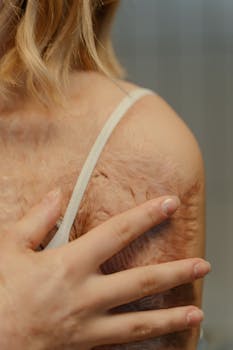
Have you ever noticed white, scar-like patches on your skin and wondered what they might be? You could be dealing with a condition known as atrophie blanche. This skin disorder is characterized by small, white patches on the skin, which may be surrounded by darker, pigmented areas. Despite its striking appearance, many people are unfamiliar with it until they experience symptoms or seek medical advice for unexplained discoloration and discomfort. Understanding atrophie blanche is crucial, especially as it can often be mistaken for other skin conditions.
The Characteristics and Symptoms of Atrophie Blanche
Atrophie blanche typically affects the lower legs, although it can appear on other parts of the body. The noticeable white patches are due to the thinning of the skin, often accompanied by small, red spots and visible blood vessels. Many individuals with this condition report feeling pain or itching in the affected areas. The skin changes are usually painless but can lead to ulceration, causing discomfort during everyday activities like walking or exercising.
What Causes Atrophie Blanche?
The exact cause of atrophie blanche is not completely understood. However, it is associated with venous insufficiency, a condition where blood flow through the veins is impaired. It’s believed that poor circulation contributes to the development of these skin changes. Those with a history of blood clotting disorders or chronic inflammatory conditions may also be at a higher risk of developing atrophie blanche.
Impact on Daily Life
While atrophie blanche might not cause severe physical limitations, it can affect one’s quality of life due to its chronic nature. The visual appearance on visible areas like the legs can be distressing, leading to self-consciousness or social discomfort. Additionally, if ulcers develop, they may become painful and require medical attention, impacting mobility and daily activities.
When to Seek Care
If you notice unusual white patches on your skin or experience discomfort in the affected areas, it’s advisable to consult a healthcare provider. Dermatologists specialize in skin conditions, but a general practitioner can also provide initial evaluations. If the symptoms worsen or do not improve with basic care, it’s important to seek professional advice to determine an appropriate strategy, especially if ulcers develop.
Addressing Treatment Options
The approach to managing atrophie blanche often involves addressing the underlying venous issues. Compression stockings are a common recommendation to help improve circulation in the legs. In some cases, doctors may suggest topical treatments to manage skin changes or prescribe medications to address underlying vascular issues. It’s essential to discuss the potential benefits and risks of each treatment option with a healthcare provider.
Real-World Medication Queries
For those requiring medical management, it’s important to understand the implications of starting new medications. Before making any changes to your treatment plan, discuss the potential for side effects and interactions with your provider. Knowing what to expect and following a care plan diligently can help manage symptoms more effectively. Always inform your doctor of any other medications or supplements you take.
Additional strategies, such as lifestyle modifications including diet and exercise, might support vascular health. For general tips on maintaining a healthy weight, see our article on weight management and nutrition.
Takeaways
- Atrophie blanche is characterized by white, scar-like patches and may be related to poor blood circulation.
- Common symptoms include discomfort and visible changes in the skin.
- A healthcare provider can evaluate and suggest appropriate treatments.
- Management may include lifestyle changes and medical interventions.
- Always consult a doctor before starting any new medications or therapies.
Common Questions
What type of healthcare provider treats atrophie blanche?
Dermatologists typically diagnose and manage skin-related issues. However, if venous insufficiency is a concern, a vascular specialist might also be involved in treatment.
When should I see a doctor about my skin condition?
If you notice persistent, unexplained white patches on your skin or experience discomfort, schedule an appointment with your healthcare provider for an evaluation.
Are there preventive measures for atrophie blanche?
Maintaining a healthy lifestyle, including regular exercise and a balanced diet, may support overall skin and vascular health. Wearing compression stockings can also help improve blood circulation in those at risk.
What questions should I ask a doctor if I suspect atrophie blanche?
Inquire about the potential causes, available treatments, and any necessary lifestyle changes. Understanding the connection between vascular health and skin conditions can aid in effective management.
Can atrophie blanche be cured?
While there is no cure, management focuses on alleviating symptoms and addressing underlying causes. Consistent medical care and lifestyle adjustments can improve quality of life.
For more general health information, visit this resource.
In conclusion, if you suspect atrophie blanche, don’t hesitate to consult with a healthcare specialist to explore your treatment options.
Other Articles You May Find of Interest...
- Livedo Racemosa vs. Livedo Reticularis: How the Patterns Differ
- Black or Purple Skin Discoloration: Bruise, Blood Flow, or Emergency?
- Should You Exercise With a DVT? Movement and Safety
- Blood Clots in Pictures: What to Look For
- Venous Reflux: What It Is, Why It Happens, and What to Do About It
- Exploring the Anatomy and Functions of the Frontal Section of the Head
- Exploring the Fascinating Functions of Human Body Organs





