






More Allergy, Asthma & Infectious Disease Articles
Exploring Herpetic Folliculitis: Symptoms, Causes, and Treatment Options
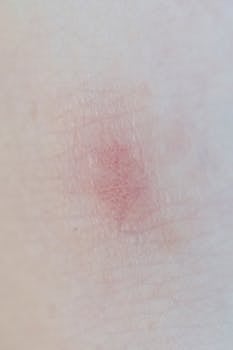
Imagine waking up to find itchy, painful bumps on your skin, particularly where hair grows. Many quickly assume it’s an allergy or acne, but it could be something less known: herpetic folliculitis. This condition can lead to discomfort and impact daily activities, especially if you’re facing busy workdays or social events.
What Is Herpetic Folliculitis?
Herpetic folliculitis is an infection of the hair follicles caused by the herpes simplex virus. It often presents as clusters of small, painful blisters or pustules on the skin, commonly seen on the face, neck, or other areas of dense hair growth. The condition can be mistaken for typical acne or bacterial folliculitis, making it crucial to understand its distinct characteristics.
Symptoms and Causes
The primary symptom of this condition includes painful, itchy blisters. These blisters may burst, leading to crusting and possible scabbing over time. Triggers for outbreaks can include stress or illness, as these weaken the immune system. The herpes simplex virus responsible for this condition is highly contagious, primarily spreading through direct contact with infected skin.
How Is It Diagnosed?
If you suspect herpetic folliculitis, it is essential to consult a healthcare provider. A dermatologist will typically conduct a physical examination and may order laboratory tests, such as a viral culture or a PCR test, to confirm the presence of the herpes simplex virus. Early diagnosis can prevent complications and the spread of the virus.
Treatment Options
Antiviral medications are commonly prescribed to manage herpetic folliculitis. These help reduce the severity and duration of symptoms. Topical creams may also be recommended to alleviate itching and discomfort. It’s vital to follow the prescribed treatment plan and complete the full course of medication even if symptoms improve.
Everyday Life and Prevention
Living with recurrent herpetic folliculitis can be challenging. Outbreaks are not only uncomfortable but can also affect confidence and social interactions. Preventive measures include avoiding direct contact with affected areas and maintaining good personal hygiene. For some, lifestyle changes like managing stress and ensuring a balanced diet are beneficial in reducing outbreaks. Discover more about balanced dietary approaches by exploring high-protein diets which support overall health.
When to Seek Care
It’s crucial to seek medical attention if you experience frequent or severe outbreaks that disrupt daily life. A dermatologist can provide a personalized treatment plan and help manage symptoms effectively. If you notice persistent soreness or spreading blisters, schedule an appointment promptly to avoid further complications.
Practical Considerations During Treatment
Antiviral treatment typically involves medication that can be oral or topical. Individuals may wonder if they should pause other medications; it’s essential to discuss this with your healthcare provider. Some may experience side effects, which often subside once the body adjusts to the treatment. Keep an eye on persistent side effects and consult your doctor if they worsen. Sometimes, changing the dosage or medication is necessary for better management.
External Information Resource
For more detailed information on the herpes simplex virus and related conditions, visit the Mayo Clinic website.
- Herpetic folliculitis is an infection caused by the herpes simplex virus affecting hair follicles.
- Treatment involves antiviral medications and symptom management.
- Prevention includes minimizing contact with infected areas and managing stress.
- Consult a dermatologist for accurate diagnosis and effective treatment plans.
- Outbreaks can be managed with a combination of medical treatment and lifestyle changes.
Common Questions
When should I see a doctor for herpetic folliculitis?
If blisters appear frequently, are painful, or significantly impact your life, it’s advisable to consult a healthcare provider.
What type of provider should I consult?
A dermatologist is best equipped to diagnose and treat conditions like herpetic folliculitis.
Can stress cause outbreaks?
Yes, stress can trigger outbreaks by weakening the immune system, making it a significant factor in managing this condition.
How can I prevent future outbreaks?
Maintaining good hygiene, managing stress, and adhering to prescribed treatments can help minimize the likelihood of outbreaks.
Are the side effects of antiviral medications common?
While side effects can occur, they are usually mild. Consult your doctor if you experience unusual or persistent symptoms.
Living with herpetic folliculitis requires understanding and managing the condition to maintain quality of life. If you think you might have this condition, reach out to a healthcare provider who can help tailor a treatment plan for you. Remember, while conditions like herpetic folliculitis can be challenging, effective management is possible with the right approach.
Other Articles You May Find of Interest...
- How to Keep Pollen Out of Your Home: Choosing an Air Purifier for Pollen
- When Should Your Child See a Pediatric Allergist? A Three-Trigger Test
- Candida sp. rRNA Results: What Molecular Testing Detects
- Ant Bites or Poison Ivy? How the Rashes Differ
- Can Stress Cause Cold Sores on the Lips?
- Gram-Positive Rods in a Blood Culture: Contamination or Infection?
- Can Head Lice Get Into Your Ears?





