More CPR Training Articles
Mastering Non-Rebreather Masks: Essential Insights for Effective Oxygen Therapy
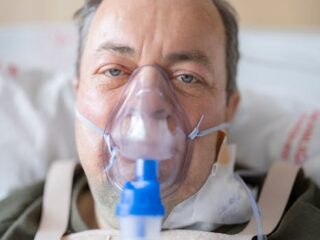
Imagine the scene: You or a loved one is struggling to breathe, and a hospital staff member quickly places a clear mask over the nose and mouth. This is a non rebreather mask, a crucial tool in providing emergency oxygen therapy efficiently while preventing re-inhalation of exhaled air. For many people, this life-saving device becomes a part of critical treatments, but understanding it can offer even more effective care or management.
Understanding the Non Rebreather Mask
A non rebreather mask is a simple yet effective device used to deliver high concentrations of oxygen to patients experiencing severe respiratory distress. These masks are designed with a reservoir bag attached, allowing oxygen to be stored and provided continuously, ensuring the patient receives an oxygen boost without re-breathing carbon dioxide. This feature makes it especially useful in emergencies such as asthma attacks, heart failure, or trauma situations.
Non rebreather masks are commonly found in hospital settings, ambulances, and sometimes for home use in chronic conditions where high volumes of oxygen are needed sporadically. It’s crucial for both patients and caregivers to comprehend how they work to ensure optimal use.
How It Affects Daily Life
Integrating the use of a non rebreather mask into daily life requires adjustments, particularly for those using it intermittently for chronic conditions. Individuals might experience a restriction in mobility due to the need to stay near oxygen support systems. However, understanding and proper training in using these masks can mitigate anxiety and ensure better management of sudden respiratory issues.
For some patients, this means coordinating activities and adjusting routines to accommodate the time needed for oxygen therapy. This adaptation often extends to family members and caregivers who assist in managing the equipment and ensuring its availability in urgent situations.
When to Seek Care
If you or someone you’re caring for finds the symptom of shortness of breath worsening or not sufficiently managed by a non rebreather mask, it’s crucial to seek care promptly. Other signs include persistent chest pain, confusion, or a bluish color in lips or face, indicating poor oxygenation. Healthcare professionals such as pulmonologists or emergency room doctors can provide an evaluation and determine whether additional interventions are necessary.
Moreover, it’s important for individuals using a non rebreather at home to have regular check-ups to ensure the device functions correctly and that the oxygen levels remain appropriate for their specific health condition.
Talking to Your Doctor About Non Rebreather Masks
Before beginning any oxygen therapy at home involving a non rebreather mask, discuss your condition thoroughly with your healthcare provider. This conversation should include your current oxygen requirements, the potential need for support staff in managing the equipment, and the training necessary for its use.
One practical point that may arise is the transition from one type of oxygen delivery system to another. It is essential to understand if any existing equipment should be phased out or if any new auxiliary devices might enhance effectiveness. Patients should also be aware of any symptoms that could indicate the mask isn’t functioning correctly or that their oxygen needs may have changed, requiring re-evaluation.
Learning More About Oxygen Therapy
Understanding your health broadly impacts how effectively you manage any condition reliant on therapies like oxygen supplementation. Taking steps to improve lifestyle habits can significantly affect well-being, as discussed in a related article on how lifestyle choices impact overall health.
Moreover, for comprehensive information about respiratory health and treatments, trusted sites like MedlinePlus provide valuable insights and guidelines that can aid patients and caregivers alike.
Takeaways
- Non rebreather masks deliver high concentrations of oxygen effectively in emergencies.
- Adapting to the use of such masks can impact daily activities and mobility.
- Consult a healthcare provider if symptoms worsen or do not improve with oxygen therapy.
- Regular re-evaluation of oxygen needs and equipment performance is crucial.
- Engage in lifestyle changes to support overall respiratory health.
Common Questions
How do I know if the non rebreather mask is working correctly?
Ensure that the mask fits snugly over the nose and mouth. The reservoir bag should inflate as oxygen flows, and you should not feel short of breath using it.
When should I stop using the non rebreather mask?
Consult your healthcare provider for guidance. Typically, if your condition stabilizes and oxygen saturation levels return to a safe range, the mask may no longer be necessary, but this should always be directed by a professional.
What are some symptoms indicating the oxygen level may be too low?
Watch for signs like confusion, drowsiness, bluish tint to lips or fingers, and persistent shortness of breath. Seek medical attention if these occur while using the mask.
Can lifestyle changes improve my condition alongside using a non rebreather mask?
Yes, adopting healthier lifestyle habits, such as quitting smoking, improving diet, or enhancing physical activity, can positively influence overall respiratory health and support effective oxygen therapy.
Other Articles You May Find of Interest...
- Is Ventricular Fibrillation Shockable? Why Defibrillation Matters
- How to Apply a Tourniquet Correctly
- Pulseless V-Tach: Why Every Second Before the Shock Counts
- Exploring the Impact of Health Choices They Did Make
- Exploring the Impact of Health Choices They Did Make
- Exploring the Impact of Health Choices They Did Make
- Exploring the Impact of Health Choices They Did Make