






More Child Health and Safety Articles
Is Your Baby Experiencing Teething Fever? Here’s What You Need to Know
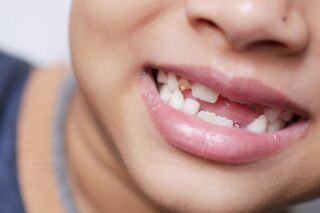
It’s a stressful moment when you find your baby suddenly fussier than usual, running a mild fever, and gnawing on everything within reach. Many parents immediately think of teething fever as the culprit. But what exactly is teething fever, and is there scientific backing for it?
Understanding Teething Fever
Teething fever refers to a mild increase in temperature that some parents observe in their babies when they begin teething. While it’s common for parents to associate a slight fever with teething, scientific research has not firmly established a clear link between teething and fever. Usually, teething can cause slight discomfort, irritability, and drooling, but any high fever or prolonged symptoms may actually point to something else, such as an infection.
Recognizing Symptoms Beyond Teething
When a baby is teething, it’s natural to see an increase in drooling, a tendency to bite or chew on objects, and some mild gum irritation. However, if your child is showing signs of a higher fever, diarrhea, or refusal to eat, it may be time to look beyond teething as the cause. These signs can sometimes suggest an underlying infection or illness that needs attention.
When to Seek Care
Although teething can make babies uncomfortable, it’s not usually cause for serious concern. However, if your baby has a fever over 100.4°F (38°C), persistent diarrhea, or seems especially lethargic or inconsolable, it is a good idea to reach out to your pediatrician. Pediatricians can help determine whether symptoms are teething-related or signify something more serious that requires treatment.
Helping Your Baby Through Teething
There are many ways to soothe a teething baby. Offering them a chilled (not frozen) teething ring can provide comfort by numbing the gums. Massaging the gums with a clean finger is another hands-on way to ease discomfort. Some parents find that giving their baby a cold, wet washcloth to chew on also helps.
Over-the-Counter Remedies
While there are over-the-counter remedies like gels or tablets designed for teething, it’s important to consult your pediatrician before using them, as not all are safe for babies. Sometimes, simple home remedies like those mentioned above can be sufficient without resorting to medication.
How Teething Affects Daily Life
Teething can interrupt sleep for both the baby and parents as irritability and discomfort disturb the baby’s rest. Daytime routines might also be affected, with possibly more clinginess or changes in feeding habits as babies experience gum sensitivity. Introducing soothing techniques and maintaining a calming bedtime routine can help ease the transition through this phase.
Common Questions
When should I see a doctor about my baby’s teething symptoms?
If your baby runs a high fever, has prolonged diarrhea, or shows signs of distress beyond typical teething discomfort, it’s wise to consult a pediatrician to rule out other causes.
Which healthcare provider should I contact for teething issues?
A pediatrician is the best professional to consult regarding teething-related concerns. They can offer guidance on handling symptoms and help differentiate between teething and other potential health issues.
Are there preventive measures for dealing with teething discomfort?
Unfortunately, there is no way to prevent teething discomfort completely. However, providing safe chew toys and maintaining a regular, comforting bedtime routine can minimize stress for both baby and parent.
Is teething fever actually a fever?
The term “teething fever” often describes slight temperature elevations associated with teething. However, true fevers often indicate infections and should be evaluated by a pediatrician.
For more tips about oral health, you might find this article on dental health from a woman’s perspective helpful. And for more detailed information on pediatric health, consider visiting Mayo Clinic.
Takeaways
- Teething can cause mild discomfort, not generally a high fever.
- If a baby’s temperature exceeds 100.4°F, a doctor’s visit is recommended.
- Chilled teething rings and gum massages can provide relief.
- Establishing a comforting routine can help manage teething stress.
- Consult a pediatrician prior to using over-the-counter teething medication.
Other Articles You May Find of Interest...
- Lambskin for Babies: 7 Things Parents Should Know
- Can Nits Survive in Your Bedding?
- Getting a Newborn to Burp When Nothing Works
- Spring Trampoline Safety in 2026: Comparing Features Families Should Consider
- Newborn With Short Legs: Proportions in the First Year
- Breast Development by 15: What’s Typical, What’s Not
- Sermorelin Therapy for Kids: How Natural Growth Stimulation Works




