More Beauty Skin Care & Gorgeous Smiles Articles
Effective Sunblock for Melasma: Your Guide to Radiant Skin
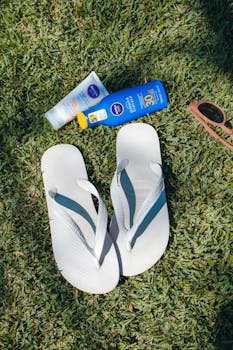
Melasma is a common skin condition that causes dark, discolored patches on the skin, often appearing on the face. Those affected frequently seek effective treatment methods to manage this condition. One of the most critical steps in managing melasma is using an effective sunblock for melasma. Protecting your skin from UV rays can significantly reduce the severity and prevent further discoloration. In this guide, we’ll explore the best ways to choose and use sunblock specifically formulated for this purpose.
Understanding Sunblock for Melasma
Sun exposure is a primary trigger for melasma, making sun protection a must. Choosing the right sunblock can be pivotal in keeping melasma under control. Melasma sunblock products typically offer broad-spectrum protection, meaning they protect against both UVA and UVB rays. Additionally, they usually have an SPF of 30 or higher. These products may include ingredients like zinc oxide and titanium dioxide, which provide physical barriers against the sun.
When selecting a sunblock for melasma, physical or mineral sunscreens are often recommended. They sit on the skin’s surface and reflect harmful rays rather than absorbing them, reducing the risk of irritation. Make sure to reapply sunblock every two hours or immediately after swimming or sweating, for optimal protection.
Choosing the Best Melasma Sunblock
The best melasma sunblock for you depends on several factors, including your skin type, daily activities, and specific concerns such as allergies or skin sensitivities. Here are some key considerations to keep in mind:
- SPF Rating: Opt for a sunblock with an SPF of at least 30.
- Broad-Spectrum Protection: Ensure it protects against both UVA and UVB rays.
- Formula: Look for mineral-based products with zinc oxide or titanium dioxide.
- Water Resistance: If you plan to be active, choose a water-resistant option.
- Skin Type Compatibility: Consider formulations that match your skin type—oil-free for oily skin or moisturizing for dry skin.
To learn more about how making lifestyle changes can impact skin health and reduce issues like melasma, check out our article on how lifestyle choices impact overall health.
Incorporating Sunblock Into Your Daily Routine
Regularly applying sunblock is crucial, but integrating it into your daily routine can make it feel effortless. Start by applying sunblock every morning, even on cloudy days or when staying indoors, as UV rays can penetrate windows. For added convenience, consider products that combine sunscreen with moisturizer or makeup to streamline your morning regimen.
Additional Tips for Managing Melasma
While sunblock is a cornerstone for managing melasma, consider these additional strategies to support your skin:
- Wear Protective Clothing: Use wide-brimmed hats and UV-blocking sunglasses to shield your face.
- Seek Shade: Minimize direct sun exposure, especially during peak hours.
- Explore Topical Treatments: Consult a dermatologist about creams or medications that may lighten melasma patches.
For comprehensive information on sun protection and skin conditions like melasma, visit the Health page on Wikipedia.
Conclusion
Using an effective sunblock for melasma is vital in managing and minimizing this common skin condition. Coupled with other protective measures, it can significantly enhance the health and appearance of your skin.
- Choose a sunblock with broad-spectrum protection and SPF 30 or higher.
- Mineral sunscreens with zinc oxide or titanium dioxide are often best.
- Reapply regularly for optimal protection.
- Incorporate sunblock into your daily morning routine.
- Consider additional protective measures, such as wearing hats and sunglasses.
What is melasma?
Melasma is a skin condition characterized by dark, discolored patches, primarily on sun-exposed areas like the face.
How does sunblock help melasma?
Sunblock protects against UV radiation, which can trigger or worsen melasma, thus minimizing the condition’s appearance and preventing further discoloration.
Should I use mineral or chemical sunblock?
Mineral sunscreens are often recommended for melasma as they physically block UV rays and are less likely to irritate sensitive skin.
What SPF should I look for in a melasma sunblock?
A sunblock with an SPF of at least 30 provides adequate protection against UVB rays, helping to reduce the impact of sun exposure on melasma.
How else can I manage melasma effectively?
Besides using sunblock, wear protective clothing, stay in the shade, and consult a dermatologist about suitable topical treatments.
Other Articles You May Find of Interest...
- Botox vs Dysport vs Xeomin: Which Neuromodulator Is Right for You?
- Understanding PDRN Therapy: The Science Behind Skin Barrier Repair and Tissue Regeneration
- Who Is a Suitable Candidate for Breast Augmentation?
- Peptides vs Retinoids for Sensitive Skin: Why Matrixyl 3000 and CoQ10 Are Changing the Conversation
- Whitehead or Pustule? How to Tell These Acne Bumps Apart
- What Patients Should Know About Skin Removal Surgery
- Breast Augmentation vs. Breast Lift: Understanding the Difference