






More Woundcare Articles
Navigating the Challenges of Unstageable Pressure Injury Care
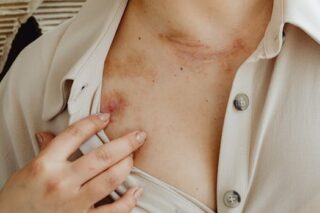
Unstageable pressure injuries, also known as pressure ulcers or bedsores, pose a significant challenge in healthcare settings and for caregivers. These wounds, often resulting from prolonged pressure on the skin, can be difficult to assess due to their concealed depth and extent. Understanding how to manage and prevent these injuries is crucial for anyone involved in patient care.
Understanding Unstageable Pressure Injury
An unstageable pressure injury is characterized by its obscured nature, often covered by slough or eschar, making it difficult to determine the full extent of tissue damage. Unlike other types of pressure ulcers, which can be visibly assessed, unstageable injuries require careful management to reveal the underlying damage.
Effective treatment begins with the removal of these obstructions under the guidance of healthcare professionals. The goal is to unveil the wound to assess it properly and determine an appropriate treatment plan.
Causes and Risk Factors
Pressure injuries develop when there is sustained pressure on the skin, particularly over bony areas. Common sites include the heels, sacrum, and hips. Risk factors such as immobility, poor nutrition, and moisture from incontinence can increase the likelihood of developing an unstageable pressure ulcer.
Understanding these factors can help in implementing preventive measures. Regular repositioning of patients, maintaining good hygiene, and ensuring adequate nutrition are essential steps in pressure injury prevention.
Prevention and Management Strategies
Preventive strategies focus on alleviating pressure, maintaining skin integrity, and improving nutritional status. Regular repositioning and the use of pressure-relieving devices, like special mattresses and cushions, can significantly reduce risk. For individuals at risk, a care plan tailored to their specific needs is recommended.
When managing unstageable pressure ulcers, it is essential to work with a multidisciplinary team. This may include doctors, nurses, dietitians, and physical therapists. Debridement procedures, where appropriate, should be conducted under medical supervision to remove dead tissue and infections.
Caregiver Tips and Advice
For caregivers, understanding the importance of regular skin assessments and being able to recognize early signs of pressure injuries are key components in effective care. Education on repositioning techniques and the use of protective devices can empower caregivers to provide better support.
It is also crucial for caregivers to recognize the role of nutrition in healing. Ensuring patients receive sufficient protein, calories, and essential vitamins can support skin health and promote recovery from these injuries.
Treatment Options and Professional Care
Treatment for unstageable pressure injuries can vary based on the wound’s characteristics once assessed. Options may include specialized wound dressings, topical antimicrobials, and advanced therapies like negative pressure wound therapy.
Consultation with wound care specialists can offer additional insights into the best treatment approaches. Healthcare providers will often customize therapy based on patient needs, considering factors like comorbidities and overall health condition.
For those dealing with weight-related health issues, a comprehensive understanding of lifestyle modifications can also be beneficial. Consider exploring safe and effective weight loss approaches to enhance overall health.
Support for Patients and Families
Dealing with an unstageable pressure injury can be distressing for patients and their families. Emotional support and counseling can play a significant role in the treatment process. Support groups and community resources provide a platform for sharing experiences and coping strategies.
Education programs for patients and family members can make a substantial difference in caring for someone with a pressure injury. Understanding the condition and being proactive in care can help reduce anxiety and improve outcomes.
Conclusion
Unstageable pressure injuries require a careful, informed approach to uncover the full scope of the wound and develop an effective treatment plan. By understanding the risk factors, implementing prevention strategies, and working with healthcare professionals, caregivers and patients can navigate this challenge more effectively. For a broader perspective on improving overall health, consider visiting this health resource.
- Unstageable pressure injuries are challenging due to obscured tissue damage.
- Prevention focuses on pressure relief and skin integrity.
- Management requires a multidisciplinary team approach.
- Caregivers play a critical role in early detection and support.
- Professional guidance is essential for effective treatment.
What is an unstageable pressure injury?
An unstageable pressure injury is a type of ulcer with its full depth and severity hidden by necrotic tissue, making it difficult to assess until debrided.
How can pressure injuries be prevented?
Pressure injuries can be prevented through regular repositioning of patients, use of pressure-relieving devices, and maintaining good hygiene and nutrition.
What are the primary risk factors for pressure injuries?
Risk factors include immobility, poor nutrition, incontinence, and medical conditions that impact skin integrity.
Why is professional guidance important in treating unstageable pressure ulcers?
Professional guidance ensures proper assessment and treatment, which can prevent further complications and promote healing.
What role do caregivers play in managing pressure injuries?
Caregivers are crucial in early detection, regular monitoring, and providing emotional and physical support to individuals with pressure injuries.
Other Articles You May Find of Interest...
- Are You Aware of the Side Effects of Silvadene?
- What Does a Scab with White Around It Mean for Your Skin Health?
- Discovering the Versatile Uses of Bactroban Ointment and Cream
- Effective Treatment for Folliculitis: Discover the Benefits of Silver Sulfadiazine Cream
- Discover How Burns Silvadene and Silver Cream Can Aid in Burn Recovery
- What Is Silvadene and How Does It Help with Wound Care?
- What Does Clear Liquid from a Wound Indicate for Healing?



