More Allergy, Asthma & Infectious Disease Articles
Essential Insights into Urticaria Multiforme and Its Management
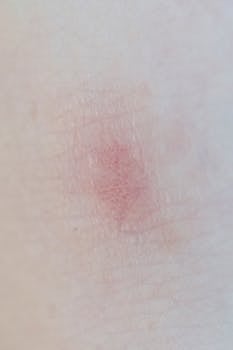
Urticaria multiforme is a condition parents may observe in their young children. Characterized by hives and an accompanying range of other symptoms, it’s often confused with other similar conditions. Understanding what urticaria multiforme entails and the best ways to manage it is crucial for offering relief to those affected. In this article, we’ll delve into the essentials of this skin condition, its symptoms, potential triggers, and approaches to treatment and management.
Understanding Urticaria Multiforme
Urticaria multiforme is a type of acute annular urticaria that primarily affects children. It commonly presents as a rapid appearance of large, raised patches or welts on the skin. These welts may be circular or ring-shaped and can sometimes coalesce to form larger areas of affected skin. While the rash itself does not last long, disappearing within 24 to 48 hours, the condition can recur over several days.
In addition to the hives, children with urticaria multiforme may display other symptoms, such as fever, swelling of the face and hands, and irritability. These additional symptoms help differentiate it from other types of urticaria, which typically do not present with systemic symptoms. Parents and caregivers should be aware of these signs to ensure timely assessment and management.
Symptoms and Diagnosis
The primary symptom of urticaria multiforme is the appearance of hives or welts on the skin. These welts are typically red and can vary in size. Other defining symptoms include:
- Angioedema, or swelling of the deeper layers of the skin, often noticeable on the face, lips, and extremities.
- Mild fever, which may accompany the rash.
- Concern from parents due to the child’s fussiness or irritability.
The diagnosis of urticaria multiforme is typically clinical, meaning it is based on the observation of symptoms rather than specific medical tests. Health professionals may also consider the child’s recent history of infections, intake of certain foods, or exposure to new environments to ascertain potential triggers.
What Triggers Urticaria Multiforme?
The exact causes of urticaria multiforme can vary, with several potential triggers identified. In many cases, it is a hypersensitivity reaction often associated with viral infections, making it common in children who have recently been ill. Other known triggers include:
- Allergic reactions to certain foods or medications.
- Exposure to environmental allergens such as pollen or pet dander.
- Physical stimuli such as heat, cold, or pressure.
Understanding these triggers can help in preventing future episodes. A careful review of recent activities, exposures, and consumption can aid in identifying potential causes.
Treatment and Management Approaches
Treatment for urticaria multiforme often focuses on alleviating symptoms and preventing recurrence. Here are some commonly recommended approaches:
- Antihistamines are typically the first line of treatment, helping to reduce itching and swelling. Depending on the child’s age and specific symptoms, different antihistamines may be prescribed.
- Cool compresses can provide immediate relief from itching and swelling.
- Keeping the child’s environment free from potential allergens such as pet dander and dust mites can help in managing symptoms.
In cases where symptoms are recurrent or severe, consultation with a health professional is advised. They may explore further interventions or conduct more in-depth evaluations.
Supporting Children with Urticaria Multiforme
Supporting a child with urticaria multiforme involves a combination of medical treatment and home care strategies. Parents can assist by:
- Ensuring the child takes prescribed medications as directed by a healthcare provider.
- Providing a comforting environment, especially when dealing with irritability or fever.
- Encouraging the child to stay hydrated and well-rested during episodes.
It can also be beneficial to maintain a journal of episodes, noting potential triggers that seem to precipitate outbreaks. This practice can be a valuable tool for both parents and healthcare providers.
Conclusion
Urticaria multiforme, though typically self-limiting, can cause significant discomfort for children. By understanding this condition and its usual triggers, parents and caregivers can provide effective support and relief, minimizing the impact of this skin condition. For those seeking proactive health tips on maintaining overall wellness, check out these small steps to a more active lifestyle.
Ultimately, urticaria multiforme is manageable with the right approach and ongoing attention to potential triggers.
- Urticaria multiforme primarily affects children, presenting with hives and possible systemic symptoms.
- Common triggers include viral infections and allergens.
- Treatment focuses on symptom relief through antihistamines and environmental modifications.
- Parental support is crucial in managing discomfort and identifying potential triggers.
- Professional medical advice is recommended for recurrent or severe cases.
What is the primary symptom of urticaria multiforme?
The primary symptom is the appearance of large, raised welts or hives on the skin that can vary in size and may be circular or ring-shaped.
Are there any systemic symptoms associated with urticaria multiforme?
Yes, additional symptoms can include fever, irritability, and angioedema, particularly on the face and extremities.
What are some common triggers of urticaria multiforme?
Common triggers include viral infections, certain foods or medications, and environmental allergens like pollen and pet dander.
How is urticaria multiforme treated?
Treatment often includes antihistamines to relieve symptoms, as well as cool compresses and maintaining an allergen-free environment.
What should parents do if symptoms persist or are severe?
If symptoms persist or are severe, it’s important to consult a healthcare provider to explore further evaluation and treatment options.
Other Articles You May Find of Interest...
- How to Keep Pollen Out of Your Home: Choosing an Air Purifier for Pollen
- When Should Your Child See a Pediatric Allergist? A Three-Trigger Test
- Candida sp. rRNA Results: What Molecular Testing Detects
- Ant Bites or Poison Ivy? How the Rashes Differ
- Can Stress Cause Cold Sores on the Lips?
- Gram-Positive Rods in a Blood Culture: Contamination or Infection?
- Can Head Lice Get Into Your Ears?