






More Beauty Skin Care & Gorgeous Smiles Articles
Effective Solutions for Managing Dry Skin: Insights on ICD 10 Codes
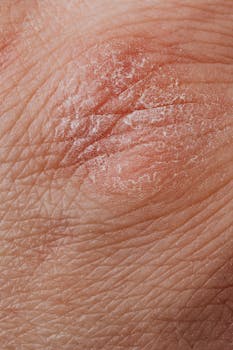
Dry skin is a common condition that affects people of all ages. For those seeking medical insights, understanding the dry skin ICD 10 code can be essential for accurate diagnosis and treatment. The ICD 10 code for dry skin is used by healthcare providers to identify this condition, supporting better communication and care planning. In this article, we’ll explore the causes, symptoms, and management options for dry skin while delving into the relevance of the ICD 10 coding system.
Understanding Dry Skin ICD 10
The International Classification of Diseases (ICD) is a globally recognized coding system used by healthcare professionals to classify and code diagnoses, symptoms, and procedures. The dry skin ICD 10 code is L85.3, which falls under the category of other epidermal thickening. Having this code allows healthcare providers to systematically document and track cases of dry skin, facilitating better research and treatment outcomes.
Common Causes of Dry Skin
Dry skin can result from a variety of factors, including environmental conditions and underlying health issues. Cold weather, low humidity, and hot showers are everyday contributors. Additionally, certain health conditions such as eczema, psoriasis, and thyroid disorders may exacerbate the problem.
Understanding these causes is crucial for effective management. By identifying the underlying factors, individuals can implement targeted solutions to alleviate the discomfort associated with dry skin. For more tips on how lifestyle choices impact health, consider reading this informative piece.
Symptoms of Dry Skin
Common symptoms of dry skin include rough texture, itchiness, flakiness, and in some cases, cracks or bleeding. These symptoms can be mild in many individuals, but some may experience severe discomfort that affects daily activities. Identifying and treating symptoms early can prevent complications and enhance the quality of life.
Effective Solutions for Managing Dry Skin
Managing dry skin effectively involves a combination of lifestyle changes and medical interventions. Here are some strategies that may support skin health:
Moisturizing Regularly
Using a high-quality moisturizer is vital for maintaining skin hydration. Look for products containing ingredients like hyaluronic acid, glycerin, or ceramides. Apply moisturizer immediately after bathing to lock in moisture. DermLane has a range of moisturizers with gentle ingredients that work for different skin types.
Avoiding Harsh Soaps
Opt for gentle, fragrance-free cleansers that do not strip the skin of its natural oils. Harsh soaps can exacerbate dryness and lead to irritation.
Using Humidifiers
Especially during winter months, using a humidifier can help maintain indoor humidity levels, reducing the impact of dry air on your skin.
Staying Hydrated
Drinking adequate amounts of water is essential for overall health and can support skin hydration from the inside out.
Seeking Professional Advice
If dry skin persists despite home remedies, consulting a healthcare provider is advisable. A professional can determine if an underlying condition requires treatment and adjust skincare routines accordingly.
Dry Skin and Overall Health
Managing dry skin is not just about topical treatments. It reflects a holistic approach to health that involves nutrition, hydration, and lifestyle management. Making informed choices can significantly impact your skin’s appearance and your general well-being.
Additional Resources
For those interested in learning more about dry skin and its implications, visit this comprehensive resource.
To conclude, the dry skin ICD 10 code is an essential tool in healthcare, aiding in the classification and treatment of this common condition. Understanding its roles and exploring effective management strategies can help individuals achieve healthier, more comfortable skin.
- Dry skin ICD 10 code is L85.3.
- Causes include environmental factors and health conditions.
- Symptoms range from itchiness to severe cracking.
- Managing dry skin involves moisturization and professional guidance.
- Overall health habits can influence skin condition.
Frequently Asked Questions
What does the dry skin ICD 10 code L85.3 signify?
The ICD 10 code L85.3 is used to denote cases of dry skin, helping healthcare providers document and treat this condition systematically.
Can lifestyle changes help improve dry skin?
Yes, lifestyle changes such as using moisturizers, staying hydrated, and maintaining a balanced diet can significantly improve skin health.
When should I see a doctor about dry skin?
If your dry skin does not improve with home care, causes significant discomfort, or is accompanied by other symptoms, seek medical advice.
Can diet affect dry skin?
Nutrition plays a role in skin health. A balanced diet rich in essential fatty acids and vitamins may support healthier skin.
Are there treatments besides topical solutions for dry skin?
Besides topical treatments, managing dry skin might involve addressing underlying health conditions and adjusting lifestyle habits. Always consult a healthcare provider for personalized advice.
Other Articles You May Find of Interest...
- How Plastic Surgeons Decide Whether You Need A Breast Lift, Breast Implants, Or Both
- Can You Work Out After Botox? Essential Guidelines for Safe Exercise
- Is Parafy Cleanse the Right Choice for Your Health Journey?
- Effective Moisturizers to Reduce the Appearance of Smile Lines
- Unlocking the Surprising Benefits of Jade Rollers for Your Skin
- The Science of Looking Like Yourself: Inside QOVES’ Mission to Humanize Beauty-Tech
- What Really Happens During a Breast Augmentation From Start to Finish




