






More Medication Articles
Can Gabapentin Help Lower Blood Pressure?
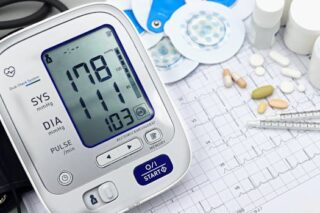
Many individuals interested in understanding medical interactions often ask, “does gabapentin lower blood pressure?” This question arises frequently, particularly among those exploring various medications for potential health benefits beyond their primary uses. Gabapentin is primarily prescribed for nerve pain and seizures, but can it also impact blood pressure? Let’s explore this in detail, examining whether there is evidence to support such a use for gabapentin.
Does Gabapentin Lower Blood Pressure?
Gabapentin is a medication approved for managing seizures and nerve-related pain, like that associated with shingles. It functions by altering how nerves transmit signals in the brain. But does gabapentin lower blood pressure? Initial exploration into this topic reveals no direct indication that gabapentin is used or approved specifically for reducing blood pressure. Blood pressure concerns are usually managed with a distinct class of medications, including blood pressure medications like ACE inhibitors, beta-blockers, and diuretics.
However, some studies suggest that gabapentin might indirectly affect blood pressure. This could occur if the medication alleviates stress-related conditions, which, left unchecked, could contribute to elevated blood pressure levels. It is essential to highlight that such effects are not direct and remain an area under exploration for further scientific validation.
Gabapentin: How It Works
Understanding how gabapentin works aids in clarifying its expected effects. Gabapentin mimics the action of gamma-aminobutyric acid (GABA), a neurotransmitter in the brain that calms neural activity. By enhancing GABA action, gabapentin can help stabilize electrical activity in the brain, reducing seizures, and alleviate neuropathic pain.
While there are anecdotal reports and individual experiences suggesting fluctuating blood pressure levels during gabapentin treatment, these are not widely documented in scientific literature as direct outcomes of the medication. Some individuals may experience these changes due to adjustments in related stress levels or improvement in pain symptoms, which can inadvertently influence their overall cardiovascular health.
Why Blood Pressure Monitoring Is Important
Monitoring blood pressure is critical for preventing cardiovascular diseases. High blood pressure can damage blood vessels and lead to complications like heart attack, stroke, and kidney disease. For those taking gabapentin, especially if they have a predisposed cardiovascular condition, tracking blood pressure remains important.
Regular check-ups with a healthcare provider can ensure any changes are noted and addressed. Since gabapentin might interact with other medications or conditions affecting blood pressure, discussing any concerns during medical appointments is always advisable.
Other Factors Influencing Blood Pressure
In addition to medications, several lifestyle factors can impact blood pressure. For instance, maintaining a healthy weight, regular exercise, and managing stress levels are pivotal. Our article on safe and effective weight loss approaches provides valuable insights into managing weight and improving overall health.
It’s also beneficial to limit salt intake, avoid excessive alcohol consumption, and refrain from smoking. Incorporating these healthy habits can support better blood pressure management and complement any medical treatment plan involving gabapentin or other medications.
Research and Studies on Gabapentin’s Effects
Current research exploring gabapentin’s broader effects beyond its licensed indications is ongoing. Since gabapentin can influence pain and stress levels, studying its potential indirect impact on blood pressure is of interest. However, as of now, nothing conclusive confirms gabapentin as a treatment for lowering blood pressure.
For readers seeking more in-depth information on the topic, reputable sources such as this National Center for Biotechnology Information (NCBI) entry can provide peer-reviewed studies and papers discussing gabapentin’s comprehensive effects.
Ultimately, for definitive answers regarding gabapentin’s role in blood pressure regulation, more targeted clinical trials and studies are required. Until such evidence is available, the primary recommendation remains utilizing gabapentin for its established uses and under the guidance of a healthcare professional.
Conclusion
In conclusion, while gabapentin is not directly recognized for lowering blood pressure, it may influence overall health indirectly by managing pain and stress levels. Those wondering, “does gabapentin lower blood pressure?” should prioritize medical consultation to evaluate personal health needs and explore appropriate treatment options. Unearthing new benefits from existing medications hinges upon future research. Until then, adhering to current medical guidelines ensures safe and effective health management.
- No evidence currently supports gabapentin as a blood pressure medication.
- Indirect effects may arise due to stress and pain management.
- Consult healthcare providers for personalized medical advice.
- Maintain healthy lifestyle habits to support blood pressure management.
- Explore more resources for updated research in the field.
What is gabapentin used for?
Gabapentin is primarily prescribed to treat seizures and neuropathic pain, especially related to conditions like shingles and diabetic neuropathy.
Can gabapentin be used for any cardiovascular conditions?
No, gabapentin is not approved for cardiovascular conditions like high blood pressure. It’s essential to rely on medications specifically designed for these purposes and consult healthcare providers for comprehensive care.
Are there any natural ways to manage high blood pressure?
Yes, natural methods include maintaining a healthy weight, regular physical activity, eating a balanced diet, reducing salt intake, managing stress, and ensuring adequate sleep.
Can stress affect blood pressure?
Yes, stress can significantly impact blood pressure, contributing to increases during acute stress episodes. Long-term stress management strategies are vital for cardiovascular health.
What should I do if I notice changes in my blood pressure?
If you observe changes in your blood pressure, consult your healthcare provider for proper evaluation, especially if you are taking medications that could potentially affect your cardiovascular health.
Other Articles You May Find of Interest...
- Managing Eye Pressure: How Dorzolamide HCL Can Help
- What Are the Potential Side Effects of Cefuroxime?
- Norco vs Percocet: What You Need to Know About These Pain Medications
- Determining the Optimal Average Dose of Lexapro for Effective Treatment
- What Is Atomoxetine and How Does It Work for ADHD?
- Tikosyn Side Effects You Need to Know Before Starting Treatment
- Pradaxa or Eliquis: Which Blood Thinner is Right for You?



